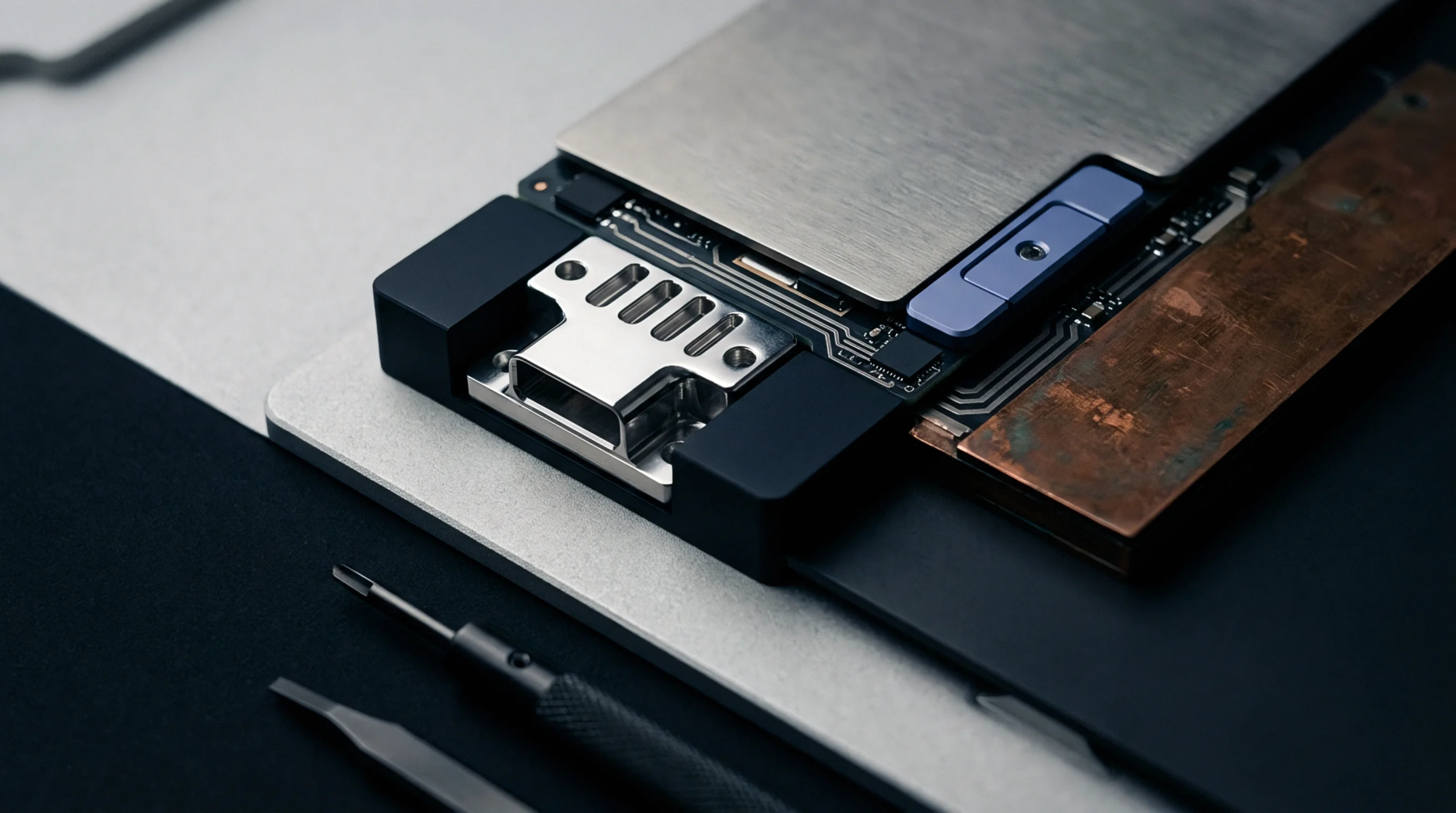
Substrate Verification
Quality assurance procedures for high-frequency printed circuit boards define the mechanical and electrical test protocols used to validate base laminates before mass production. This rf laminate qualification process checks the dielectric constant and dissipation factor across a wide range of frequencies. Conducting these evaluations prevents costly board failures in high-frequency wireless communications.
Test Protocol
Specialized test methods like the split-post dielectric resonator or stripline test measure the electrical behavior of the laminate under operating conditions. Because the dielectric behavior can vary across the frequency spectrum, these tests are performed at specific frequencies such as ten gigahertz to establish baseline values. This testing process also measures the thickness uniformity and surface roughness of the clad copper foil.
Variations in copper roughness change the effective dielectric properties of the substrate and increase conductor losses. Thermal shock testing is integrated into the validation process to ensure that the composite layers do not separate under the high temperatures of assembly reflow.
Defect Avoidance
Thorough qualification of materials prevents the use of substrates that suffer from high moisture absorption or weak copper peel strength. Laminates that fail these tests are rejected because they can cause signal drift and trace delamination. Such testing reduces the risk of intermittent board failures in field environments.
Rigorous analysis secures the performance of finished high-frequency circuits.