Dielectric Laminate
Ceramic filled hydrocarbon thermoset resin defines the chemical composition of rogers ro4350b. This high frequency circuit material provides a stable dielectric constant over a broad temperature range to ensure signal integrity in radio frequency applications. Manufacturers select this substrate for its low dissipation factor which minimizes energy loss at gigahertz frequencies.
Thermal Stability
Dimensional change in rogers ro4350b remains low during solder reflow cycles due to the glass transition temperature exceeding two hundred degrees Celsius. Designers utilize this thermal robustness to prevent copper trace lifting or barrel cracking in high layer count assemblies. The coefficient of thermal expansion for the material matches copper closely which reduces internal stress during rapid heating or cooling phases.
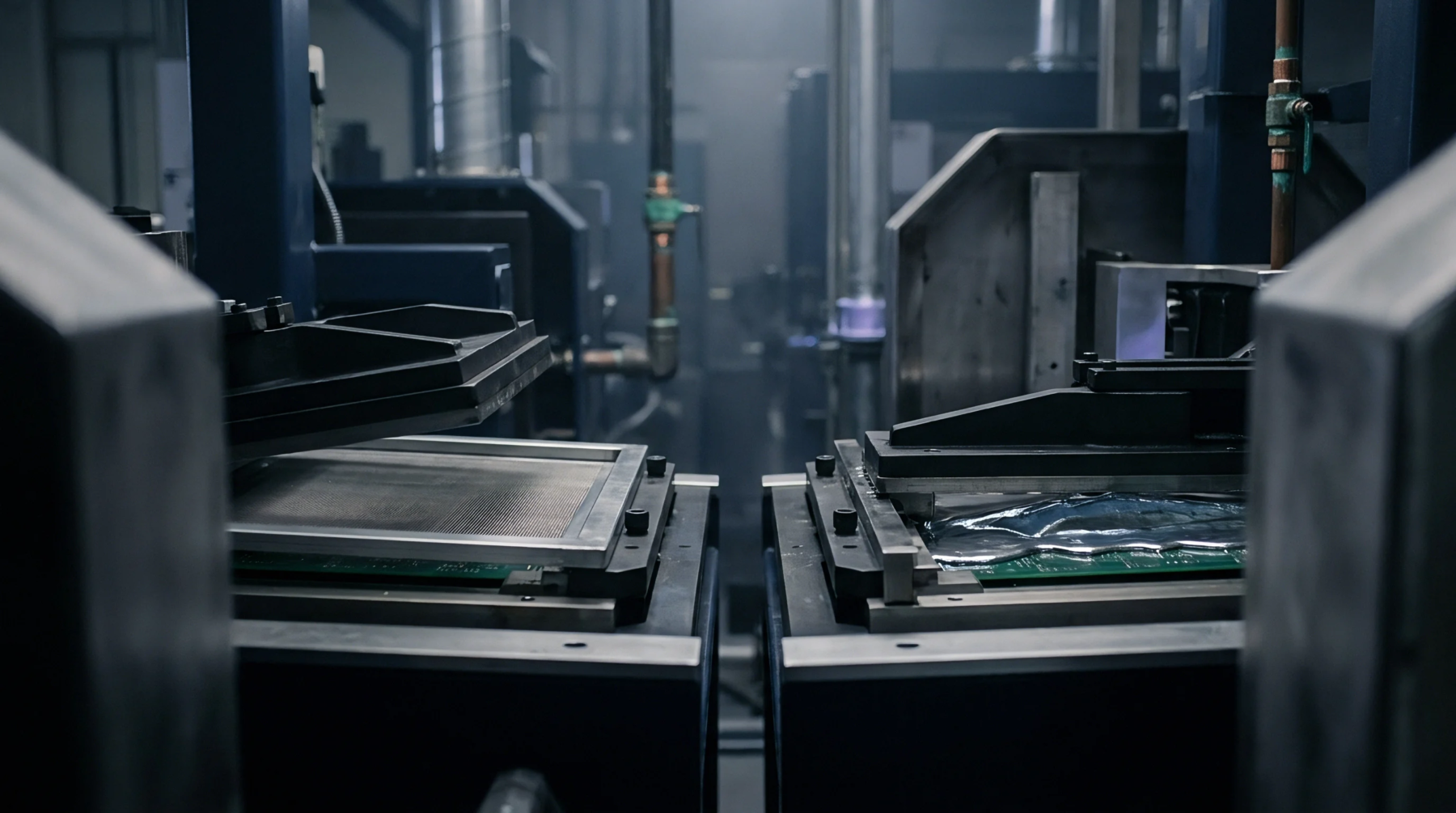
Fabrication shops manage this material using standard epoxy glass processing equipment while maintaining specific drill parameters for the reinforced ceramic fibers.
Processing Compatibility
Chemical resistance within rogers ro4350b allows for traditional plating and etching methods without specialized chemical baths. Engineers evaluate the board layout for potential impedance mismatches before initiating production runs to avoid signal reflection. Rigorous inspection of the dielectric surface ensures that no particulate contamination interferes with the bonding of the copper cladding.
This material provides predictable performance across the entire spectrum of microwave circuit implementations.