Alloy Composition
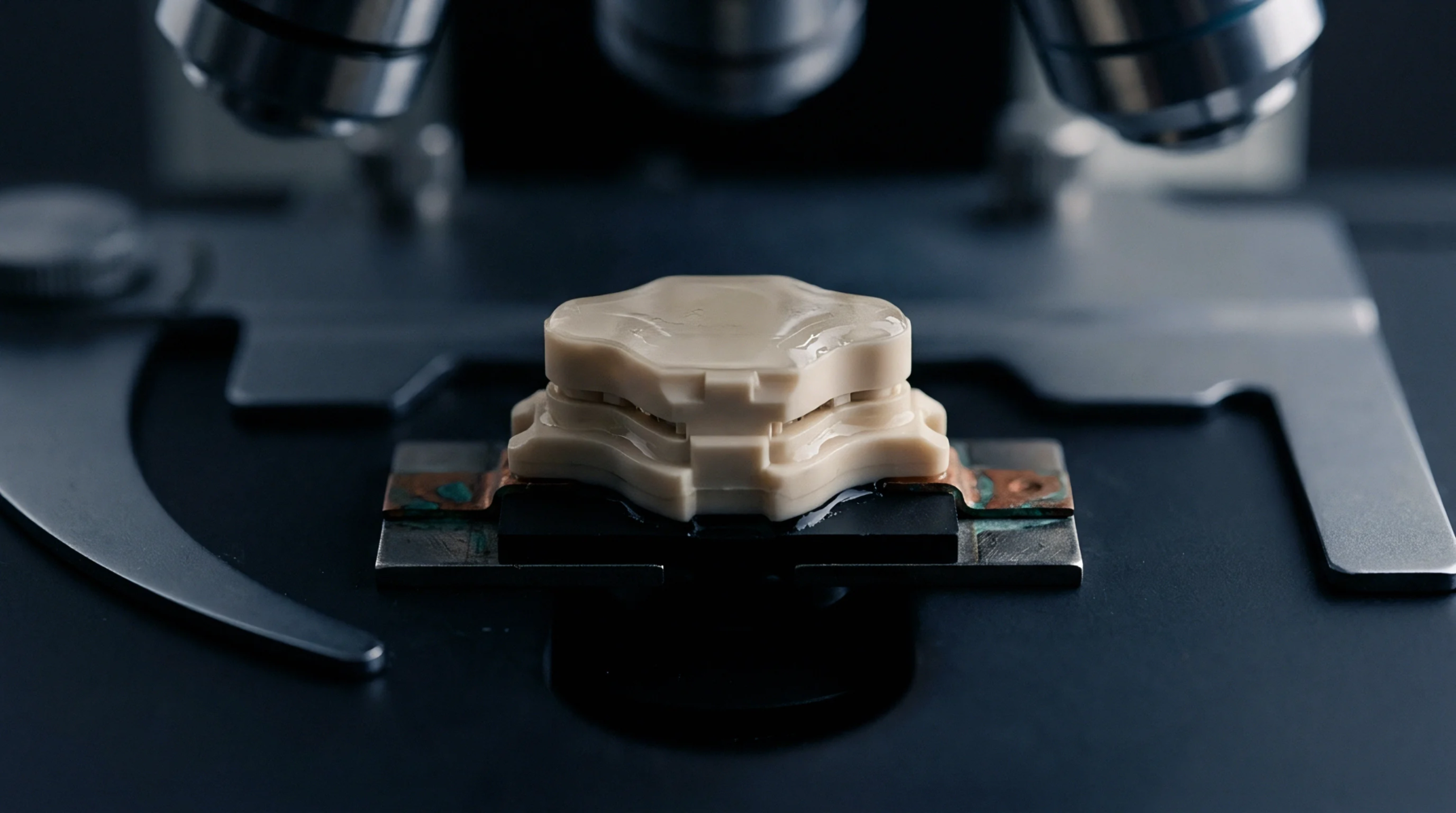
Tin silver copper represents a standardized metallurgical blend featuring three percent silver and 0.5 percent copper by weight with the remainder consisting of high purity tin. This sac305 lead free solder operates as the industry preferred substitute for traditional tin lead eutectic formulations in surface mount technology. The material functions across a specific thermal range designed to provide mechanical integrity while meeting environmental regulations prohibiting hazardous substances in consumer electronics.
Reflow Processing
Optimal wetting on printed circuit board pads requires precise thermal profiling to manage the higher melting point characteristic of this sac305 lead free solder compared to legacy alloys. Automated reflow ovens heat assemblies until the alloy reaches a liquidus temperature near 217 degrees Celsius. Engineers adjust conveyor speeds and zone temperatures to prevent component thermal shock and ensure proper intermetallic compound formation at the solder interface.
Successful joints exhibit a smooth fillet with a distinct sheen that confirms proper cooling rate control. Consistent heat application across the board layout mitigates voids that compromise electrical conductivity.
Mechanical Reliability
Thermal fatigue resistance determines the long term performance of joints formed using sac305 lead free solder in environments subject to repeated temperature cycling. The addition of silver grain refines the microstructure to impede crack propagation within the bulk solder volume. Increased hardness values over pure tin improve drop shock resistance during handling or field use.
Microstructural stability remains the dominant factor governing the lifespan of soldered interconnects under operational load.