Thermal Tolerance
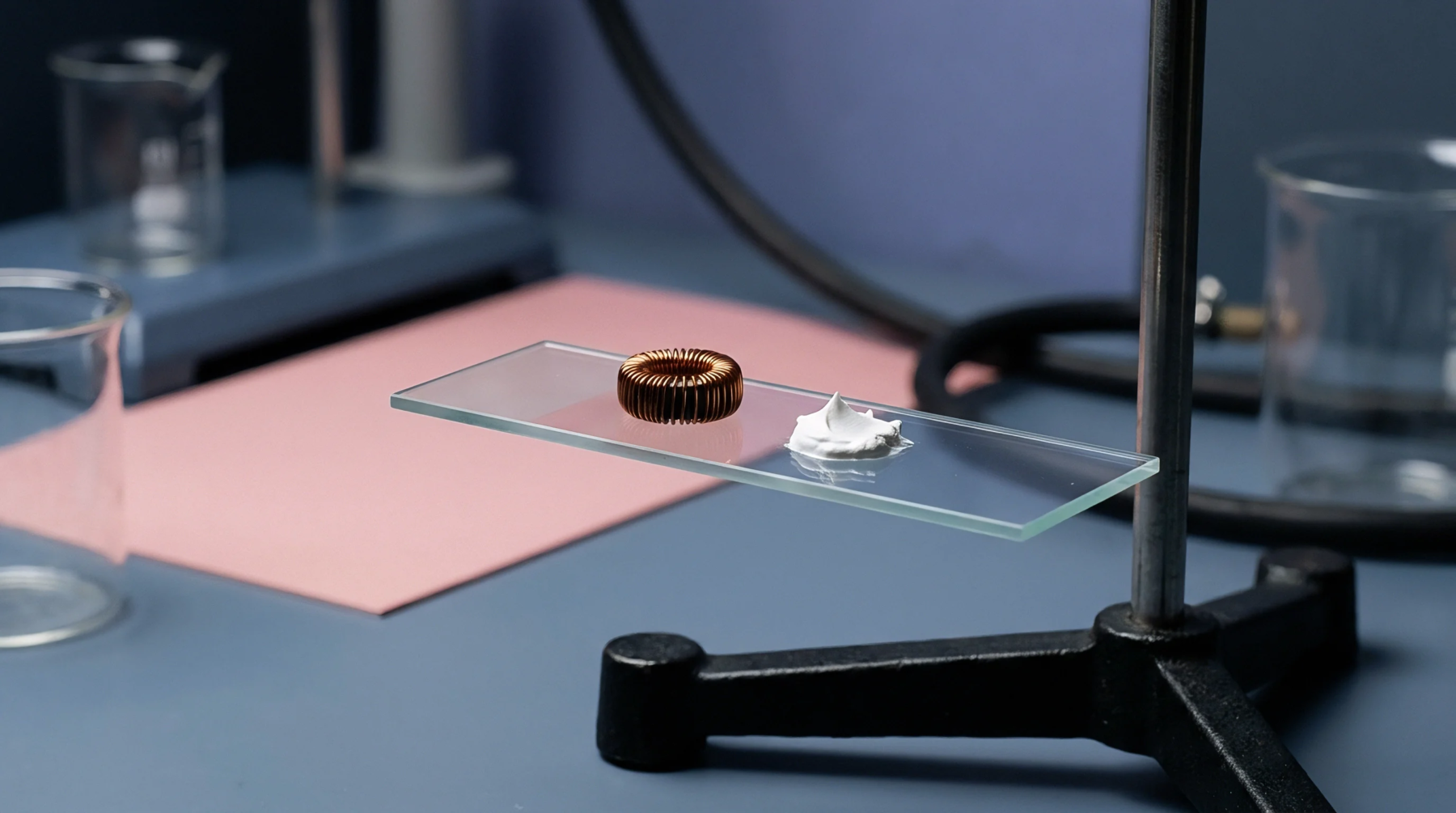
The sacred profile window for sac305 solder paste defines the specific temperature range and duration constraints required for successful reflow bonding during electronic circuit board assembly. Achieving the precise heating curve ensures that the tin silver copper alloy melts adequately while preventing damage to sensitive components or the board laminate itself. Engineers establish these limits by matching the specific alloy composition to the thermodynamic demands of the populated assembly.
Variations outside these parameters cause either cold joints from insufficient wetting or board delamination from excessive heat exposure. Heat management remains the primary challenge in high density mounting environments.
Processing Bound
Proper execution of the sac305 profile window requires close monitoring of the soak and reflow zones within an industrial oven. Sensors track the temperature rise as the board moves through different heating stages to ensure the flux activates at the correct timing. If the peak temperature remains too low, the metallic bond lacks the strength to withstand long term mechanical stress.
High peak temperatures risk cratering the solder mask or cracking the ceramic bodies of small passive components. Maintaining a consistent slope prevents thermal shock to large integrated circuits that exhibit non uniform heat absorption. Operators calibrate the oven atmosphere to reduce oxidation during the liquidus phase.
Consistent results depend on the stability of the heating elements and the speed of the conveyor system moving the assembly through the chamber.
Inspection Verification
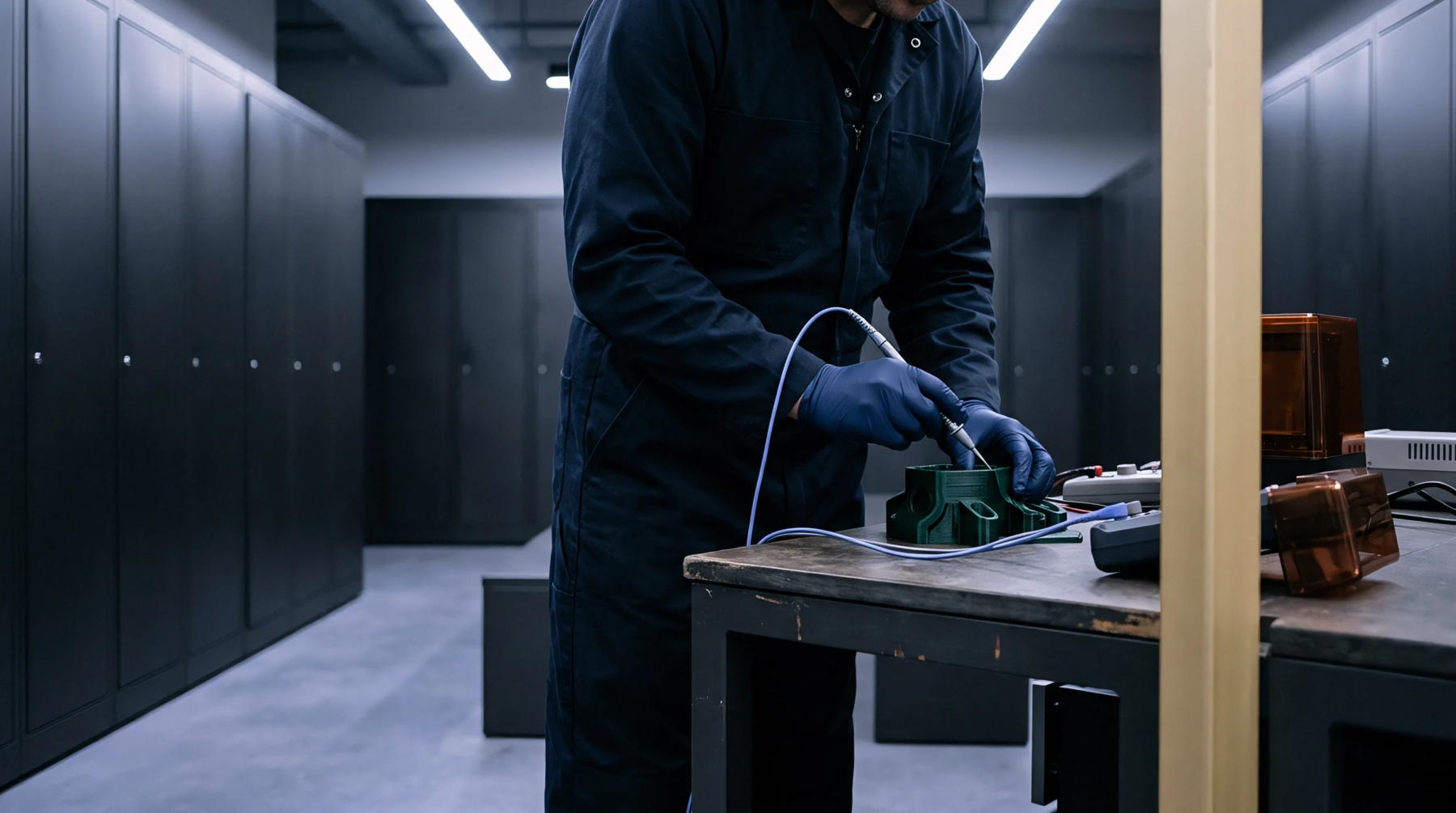
Electrical test and optical measurement verify whether the assembly adhered to the mandated sac305 profile window during the manufacturing cycle. Solder joints that exhibit a dull or grainy surface indicate that the cooling rate fell outside the accepted cooling slope threshold. Cross sectional analysis provides the definitive proof of intermetallic layer thickness which determines the reliability of the mechanical connection.
Voiding frequency correlates directly with the gas release patterns experienced when the alloy enters the liquid phase inside the specified thermal envelope. Properly formed connections appear smooth and concave when evaluated against standard workmanship criteria. Adherence to these thermal constraints provides the stability necessary for functional electronic hardware.