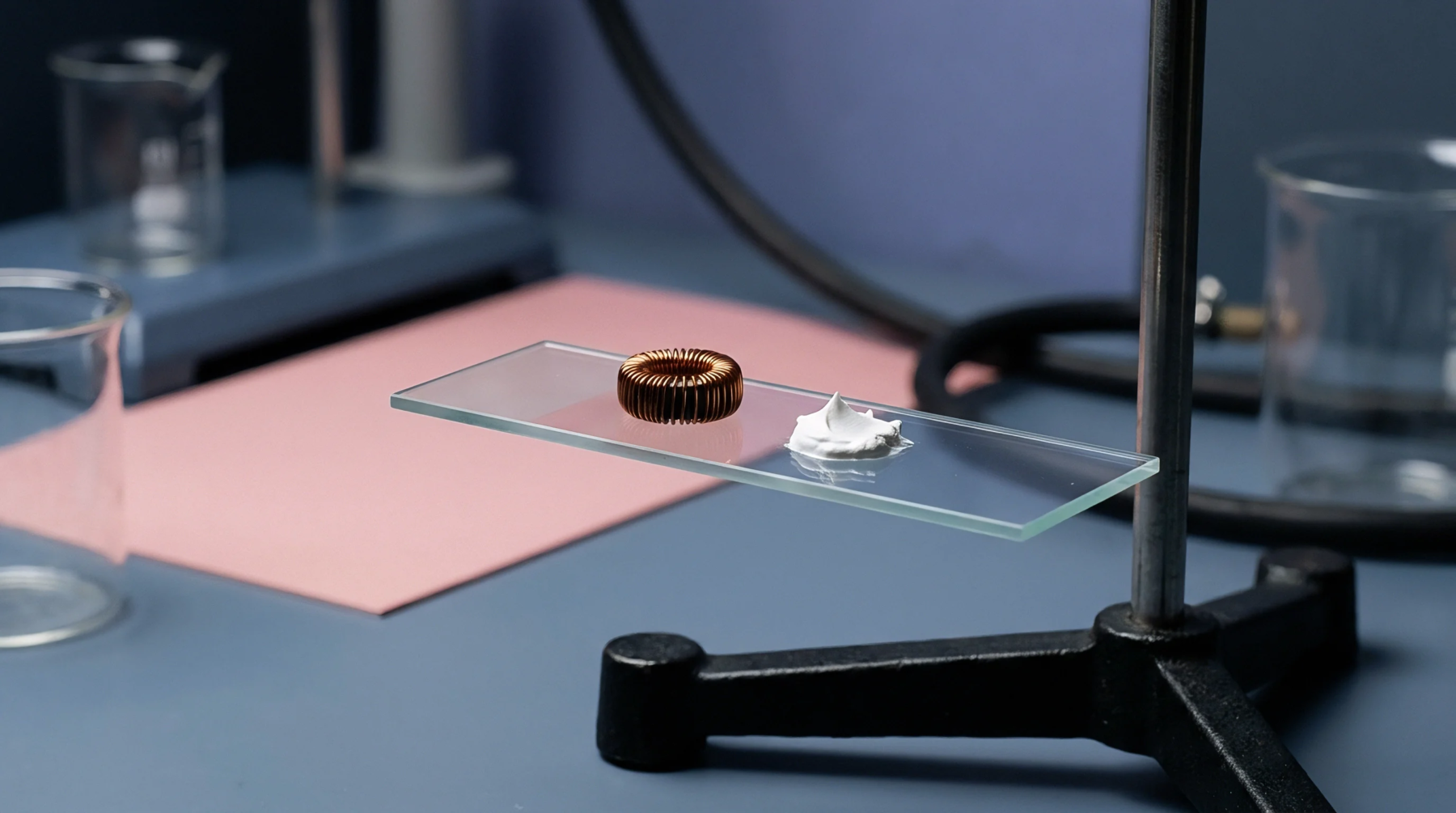
Thermal Calibration
Reflow solder temperature adjustment dictates the precise heat cycle applied to a populated circuit board. Thermal profile optimization manages the ramp rates, soak periods, and peak temperatures required to ensure consistent solder joint formation across varying board masses. This procedure calibrates the energy delivery to prevent component damage or cold solder connections.
Process Equilibrium
Solder paste flux activation depends entirely upon the specific time and temperature relationship established during the heating phase. Thermal profile optimization relies on thermocouple data collected from boards passing through each convection zone of the reflow oven. Engineers monitor the delta between top and bottom sides of the assembly to prevent board warpage or uneven reflow.
Components with high thermal mass require slower ramp rates to maintain uniformity during the transition from solid to liquid states. Accurate control over the cooling gradient prevents micro-cracking in the intermetallic layer.
Inspection Integrity
Visual confirmation of solder wetting confirms the validity of the established heat settings. X-ray analysis reveals hidden voids within ball grid array connections which often originate from improper dwell times at peak temperatures. Defective joints show dull surfaces or incomplete fillet shapes when the setup misses the required metallurgical window.
Proper setup ensures the longevity of electronic assemblies under operational stress.