Dielectric Absorption
Power loss experienced by high frequency waves as they travel through a transmission line at millimetre wave frequencies determines the maximum reachable distance for a communication link. The specific value of signal attenuation 28 ghz is influenced by both the resistive properties of the copper and the molecular friction within the insulating substrate. Factor evaluation helps define the design constraint for fifth generation wireless infrastructure.
Conductor Geometry
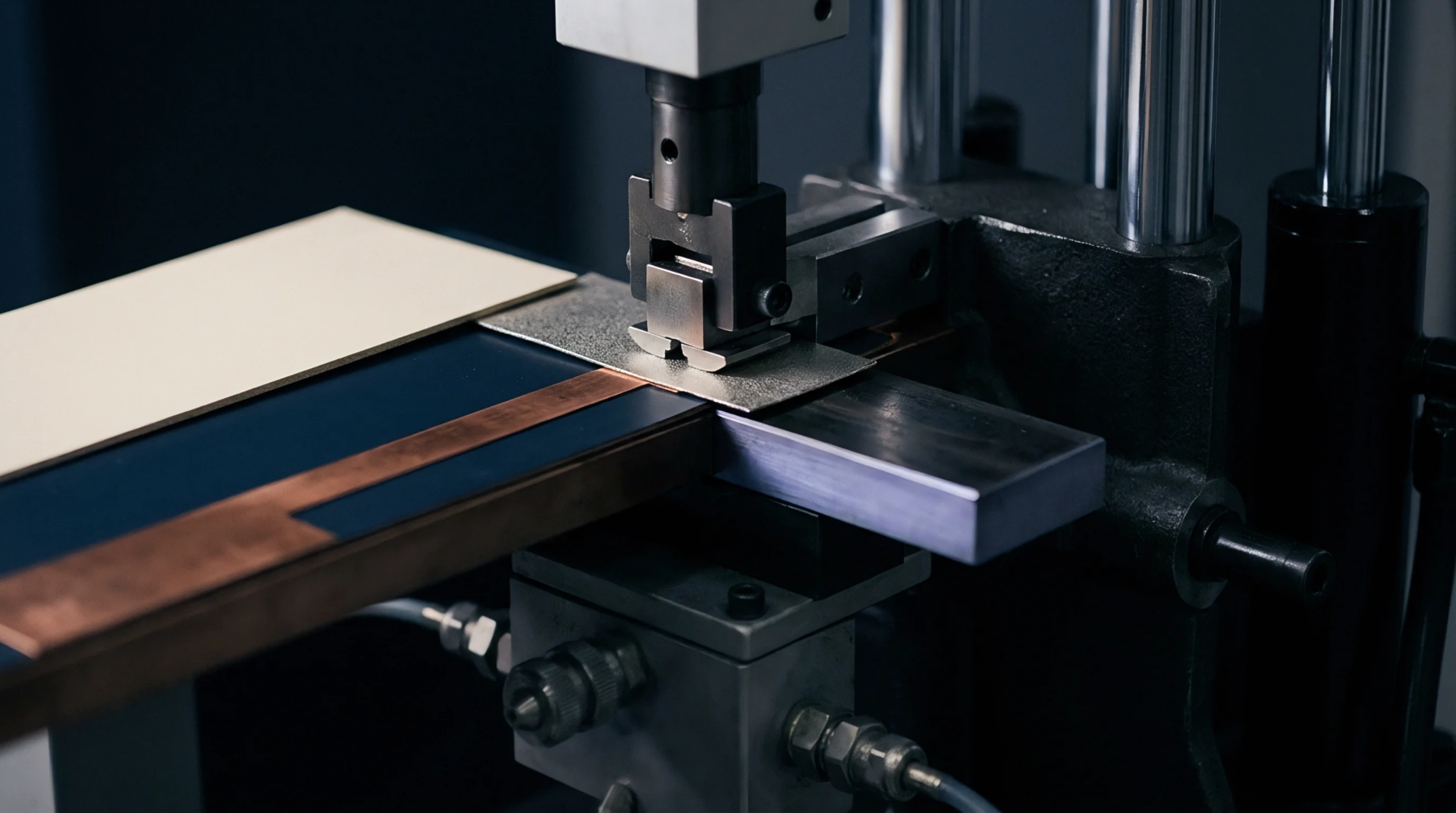
Surface roughness of the copper traces contributes to the energy loss as the skin effect forces current to flow near the metal boundaries. At these high frequencies, signal attenuation 28 ghz increases because the effective path length of the current becomes longer on a microscopic scale. Smooth copper foils and low loss resins are required to keep the signal strength above the noise floor.
Manufacturers often use vacuum deposition or chemical treatments to create a bondable surface that does not compromise electrical performance. Surface finish is the deciding factor. Dielectric loss also rises with frequency as the resin molecules struggle to keep up with the alternating field.
Link Budget
System reliability depends on maintaining a signal to noise ratio that allows for complex modulation schemes. High levels of signal attenuation 28 ghz limit the spacing between amplifiers and increase the power consumption of the transceiver. Engineers use simulation tools to model the losses before committing to a specific stackup or material set.
Reaching the target performance requires a balance between cost and the choice of advanced materials.