Interface Fracture
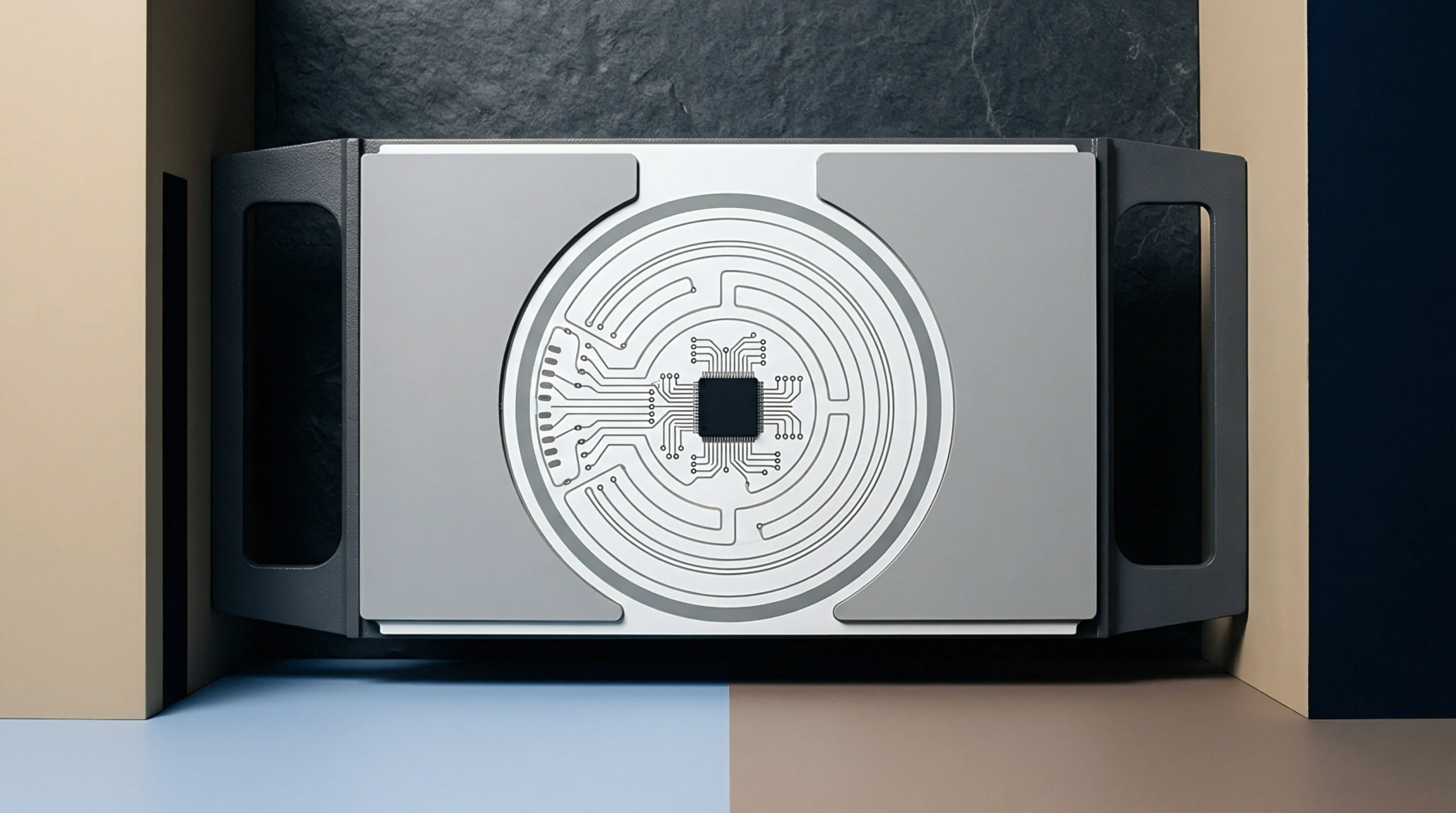
Silicon delamination constitutes a packaging failure mode where the interface bond between the die surface and the surrounding molding compound or adhesive completely breaks down under mechanical or thermal stress. Advanced semiconductor manufacturing manages this defect by controlling moisture levels and curing profiles during encapsulation. Automated acoustic microscopy detects the resulting air gaps through high frequency ultrasonic scans before the assembled device enters final board mounting.
Moisture sensitivity level ratings dictate baking protocols to drive out trapped water vapor prior to reflow soldering. Temperature cycling during surface mount operations expands trapped vapor pockets, driving interfacial cracks outward from the die edges toward the package perimeter. Mechanical shear stresses generated by differing coefficients of thermal expansion between the silicon and the epoxy resin accelerate the separation once an initial void nucleates.
Package Integrity
Thermal dissipation paths degrade severely when interfacial separation introduces an air barrier directly above the active circuitry. Package reliability testing subjects the encapsulated device to extreme temperature differentials to verify that the molding compound maintains adhesion to the passivation layers. Acoustic impedance mismatches reflect ultrasonic waves at the newly formed boundary, producing distinct bright spots on scanning acoustic tomography images that quantify the affected area.
Reflow profile optimization limits peak body temperatures to prevent the vapor pressure inside microscopic voids from exceeding the adhesion strength of the die attach adhesive.
Adhesion Failure
Moisture diffusion through permeable epoxy molding compounds accumulates at the die edge during standard ambient storage before assembly. Subsequent exposure to high soldering temperatures vaporizes this moisture instantaneously, creating localized hydraulic pressure that forces the silicon away from the encapsulation resin. Epoxy chemistry improvements focus on enhancing chemical bonding between the inorganic fillers and the silicon nitride passivation to resist these internal peel stresses.
Preventive manufacturing controls require dry pack storage bags with humidity indicator cards and desiccant packs to maintain low internal moisture levels throughout the supply chain.