Thermal Impedance
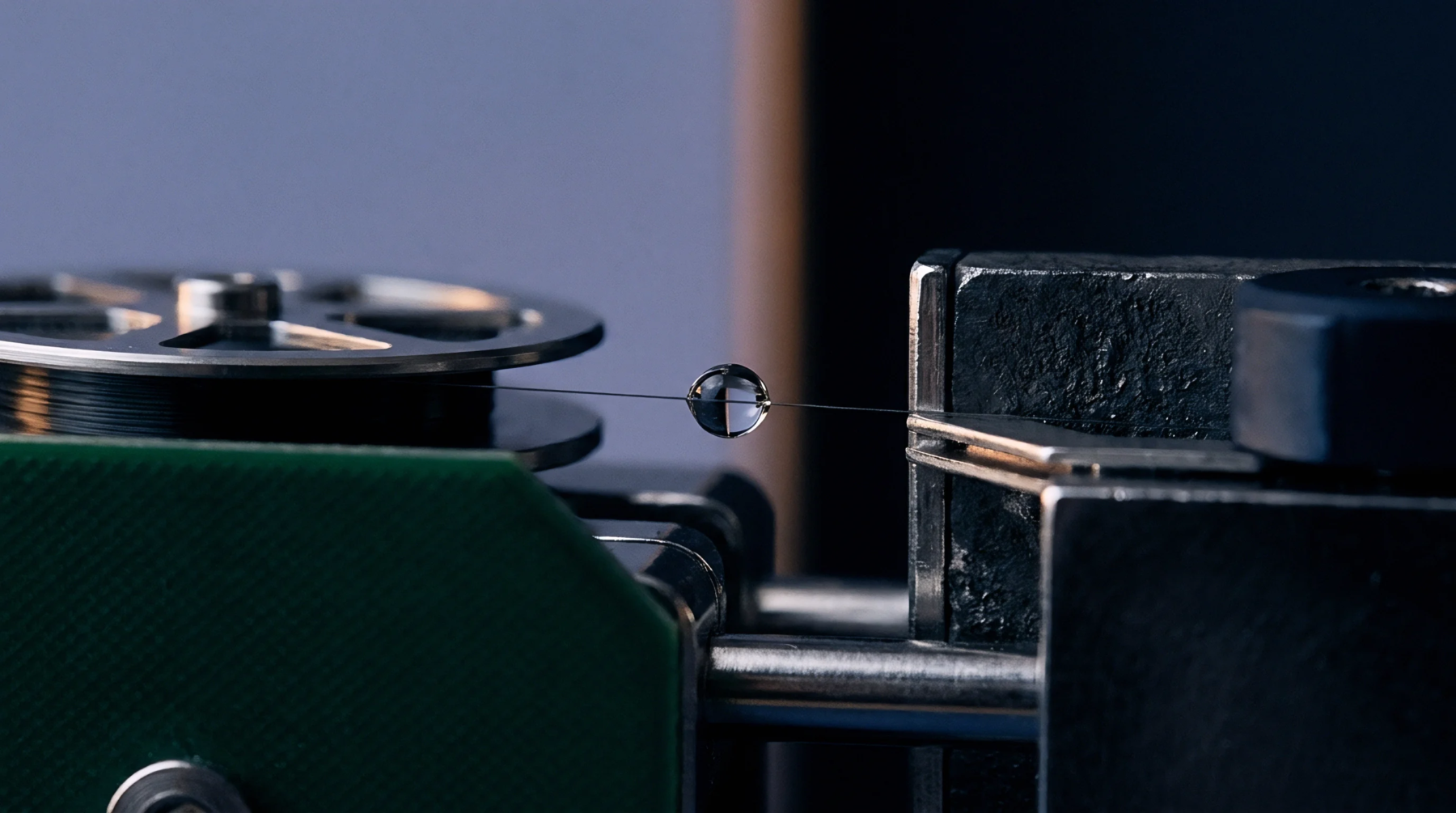
Heat-dissipating compound fills microscopic air gaps between mating power semiconductor packages and extruded metal heatsinks on assembled printed circuit boards. Solid contact surfaces leave voids that insulate against thermal energy transfer because trapped air exhibits extremely poor thermal conductivity. Polymer matrices loaded with ceramic or metallic powders conform under mechanical clamping pressure to displace those insulating pockets.
Component junction temperatures drop significantly when low-resistance pathways bridge the semiconductor casing and the metal chassis. Automated dispensing equipment applies liquid dispensable formulations or pre-cut solid pads during final mechanical integration prior to chassis enclosure. Viscosity and filler loading rates determine dispense head pressure requirements and wet-out behavior across uneven topography.
Accelerated thermal cycling tests verify that dry-out or pump-out phenomena do not degrade the compound layer over operating lifetimes.
Dielectric Withstanding
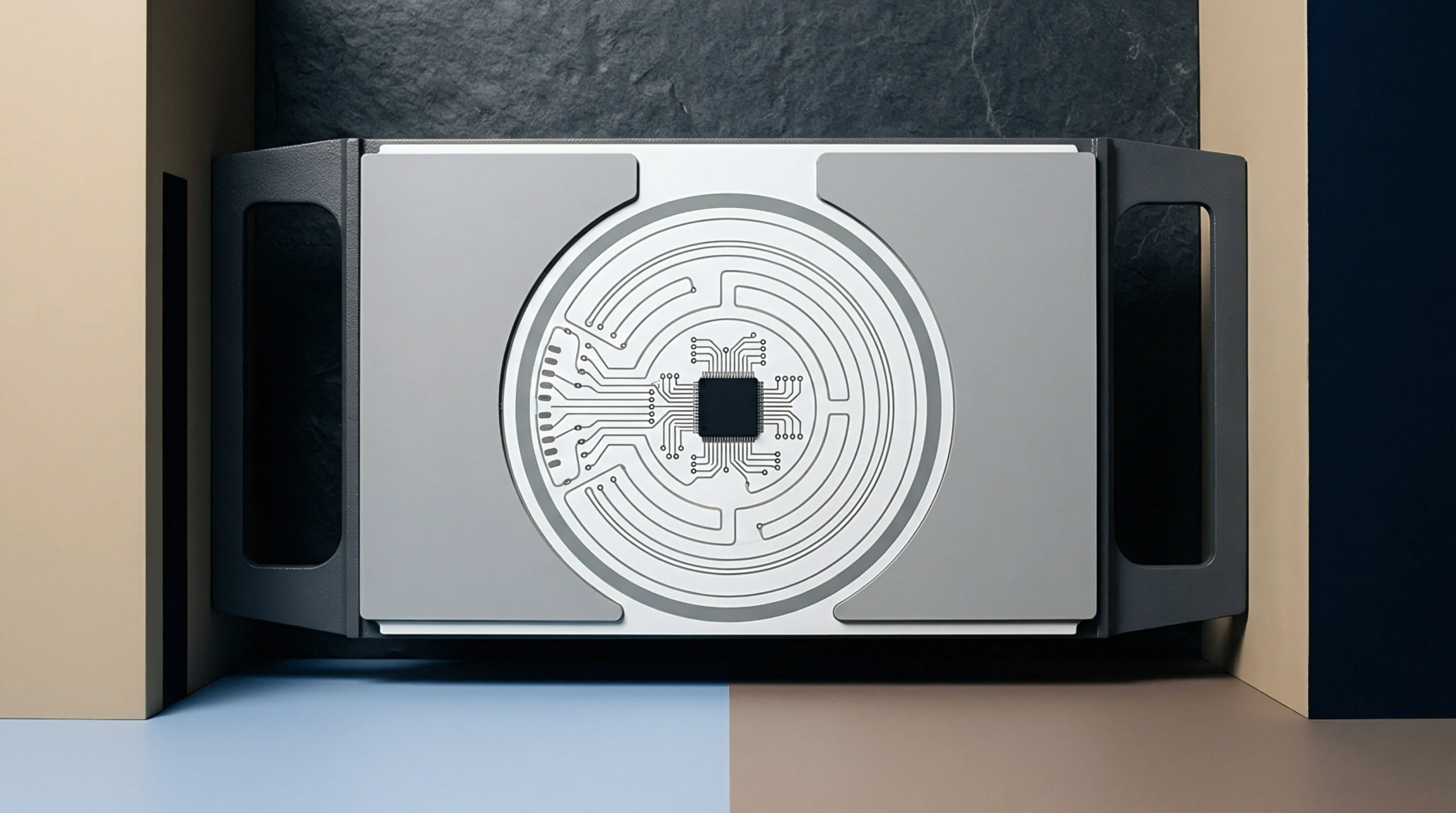
Electrical insulation capability prevents high-voltage shorts between live semiconductor mounting pads and grounded aluminum heatsink extrusions. Siloxane polymer backbones and ceramic fillers provide high breakdown voltage thresholds while maintaining low thermal resistance across the thin bond line. High-voltage leakage current testing verifies that filler particles do not bridge opposing electrical potentials during operational stress screening.
Voltage gradients across the compound layer must not induce dielectric breakdown when power switching frequencies generate severe electrical noise.
Interfacial Voids
Acoustic micro imaging detects entrapped air pockets and dry spots hidden beneath large power transistor packages after reflow oven exposure. Clamping torque variations and excessive filler particle agglomeration cause uneven material distribution across the mating interface during assembly. Thermal transient testing measures junction temperature spikes caused by localized hot spots where missing compound fails to transfer heat.
Vacuum assist procedures during fluid dispensing eliminate bubble formation within high-viscosity formulations before component placement occurs.