Blade Geometry
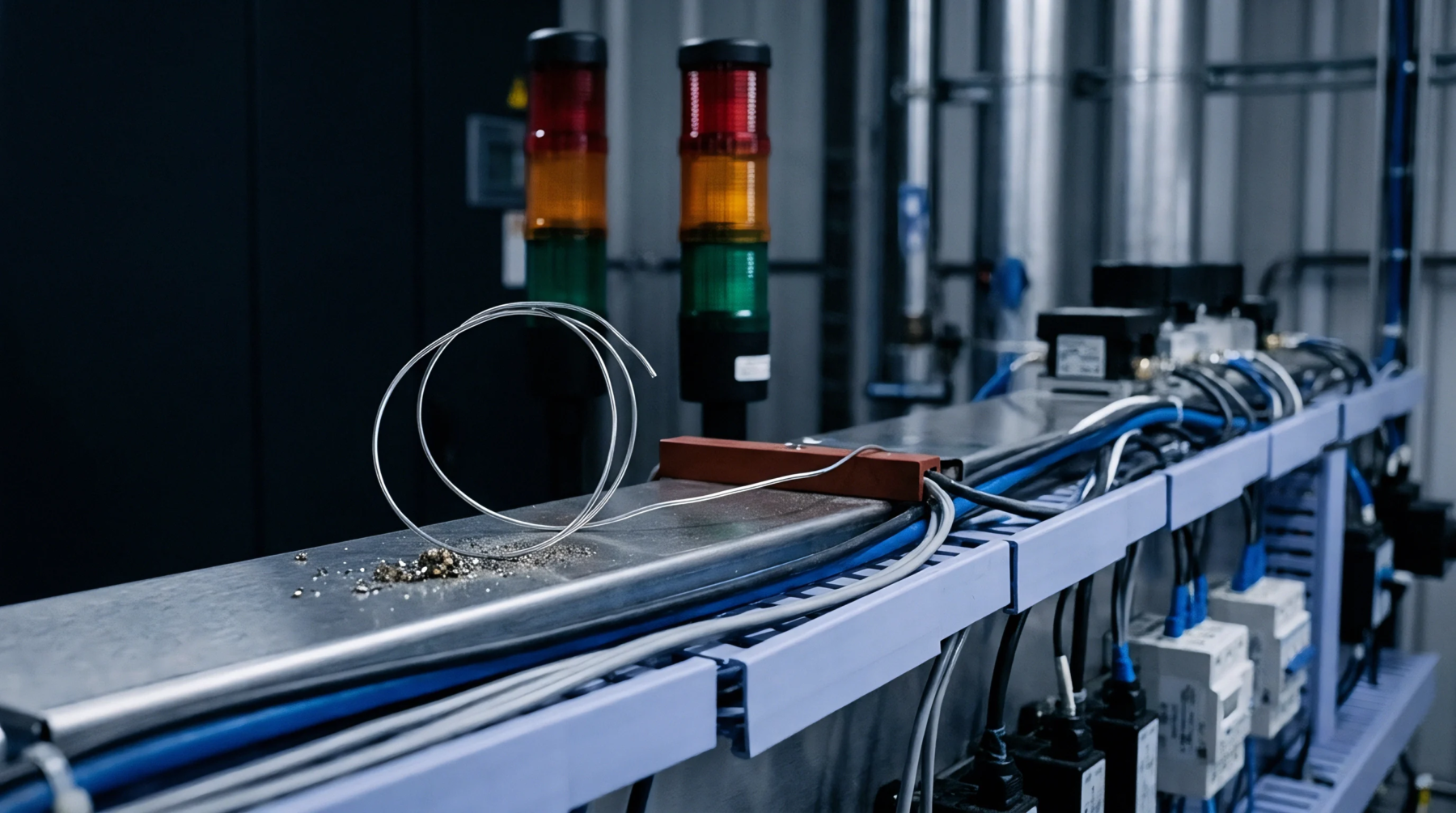
Mechanical deflection describes the elastic or plastic deviation of a metal squeegee edge from its intended planar contact with the stencil surface. This squeegee blade deformation occurs when excessive downward force is applied against the solder paste bead or when the mounting angle creates insufficient structural rigidity. High pressure profiles generate a non-uniform wipe across the aperture array by forcing the material to arc under load.
Physical Mechanics
Variations in contact pressure cause the thin edge to bow away from the stencil surface during the print stroke. A warped blade prevents consistent aperture filling because the squeegee edge no longer maintains a perpendicular attack angle. Uniformity diminishes as the material fatigue increases, leading to inconsistent paste volumes that correlate with specific regions of the stencil rather than random distribution.
Proper alignment of the holder assembly offsets these forces by distributing force evenly across the full length of the blade.
Assembly Implications
Production environments measure this effect by inspecting for paste smearing or incomplete aperture deposits on the bottom side of the stencil. Operators adjust the print head carriage or replace fatigued metal inserts to prevent aperture bridging and insufficient volume defects on fine pitch components. Consistent edge contact ensures accurate deposition control throughout long production cycles without requiring frequent recalibration of the print machine parameters.