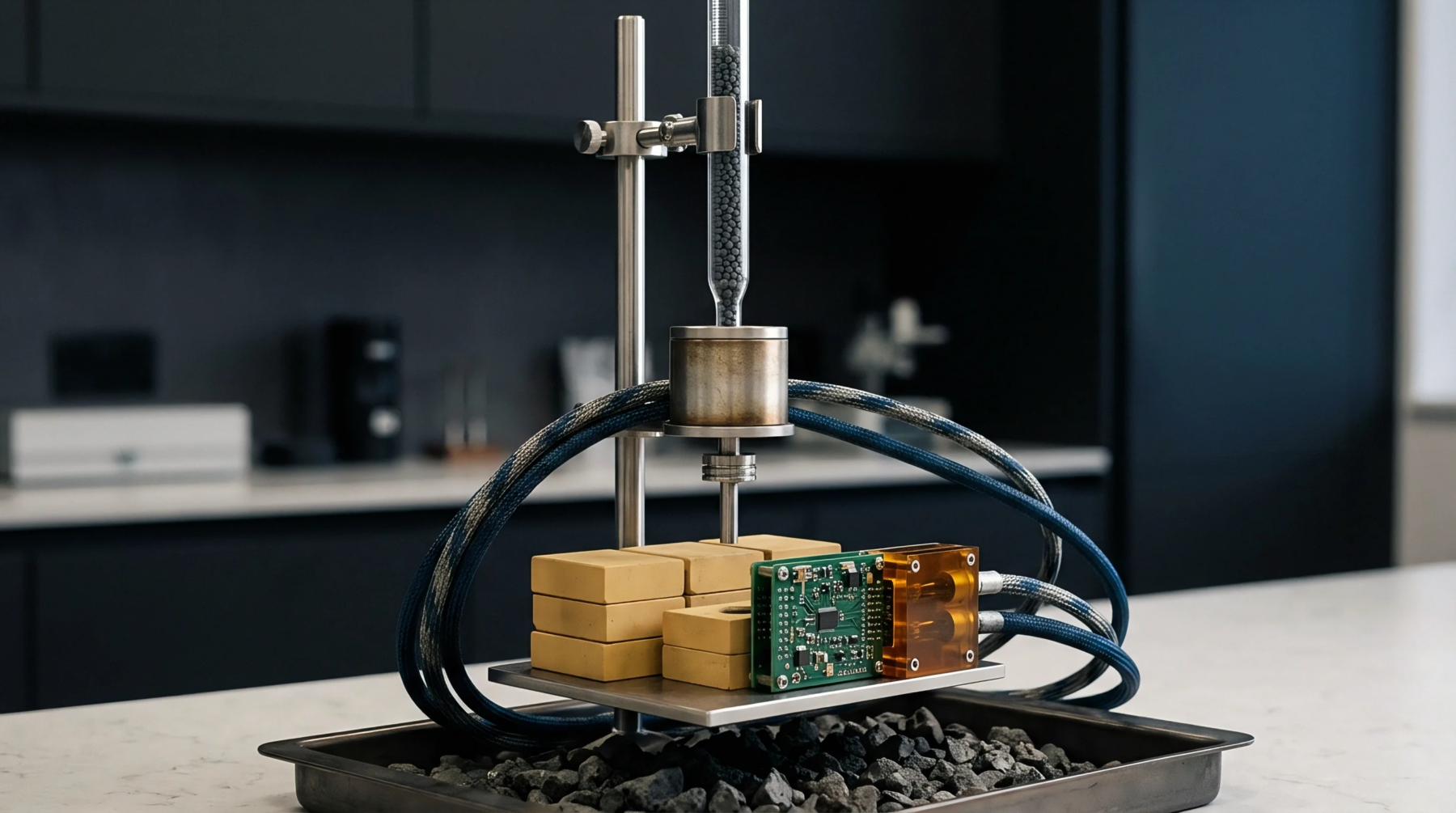
Thermal Profile
Reflow soldering compliance governs the thermal parameter known as standard recovery during surface mount assembly operations on printed circuit boards. Cooling zones within convection ovens dictate the rate at which soldered joints solidify after reaching peak liquidus temperatures. Excessive cooling velocity induces microcracks inside intermetallic compound layers because rapid contraction outpaces crystal lattice stabilization.
Controlled thermal descent protects delicate ceramic chip capacitors and ball grid array packages from thermal shock fracture during production runs.
Cooling Gradient
Conveyor belt velocity and forced air convection rates determine the exact temperature drop per second within the final chamber of the reflow furnace. Operators calculate thermal mass differentials across densely populated circuit assemblies to prevent cold solder joints or tombstoning defects during solidification phases. Exceeding designated cooling thresholds generates residual mechanical stress across component terminations and printed circuit board pads.
Process Verification
Thermocouple profiling runs validate the cooling slope against acceptable manufacturing limits before full scale surface mount technology batches proceed through the production line. Automated optical inspection equipment flags bridged connections or disturbed joints originating from inadequate thermal management during the reflow cycle. Proper heat dissipation protocols ensure long term joint reliability under operational vibration and thermal cycling conditions.