Strain Relief
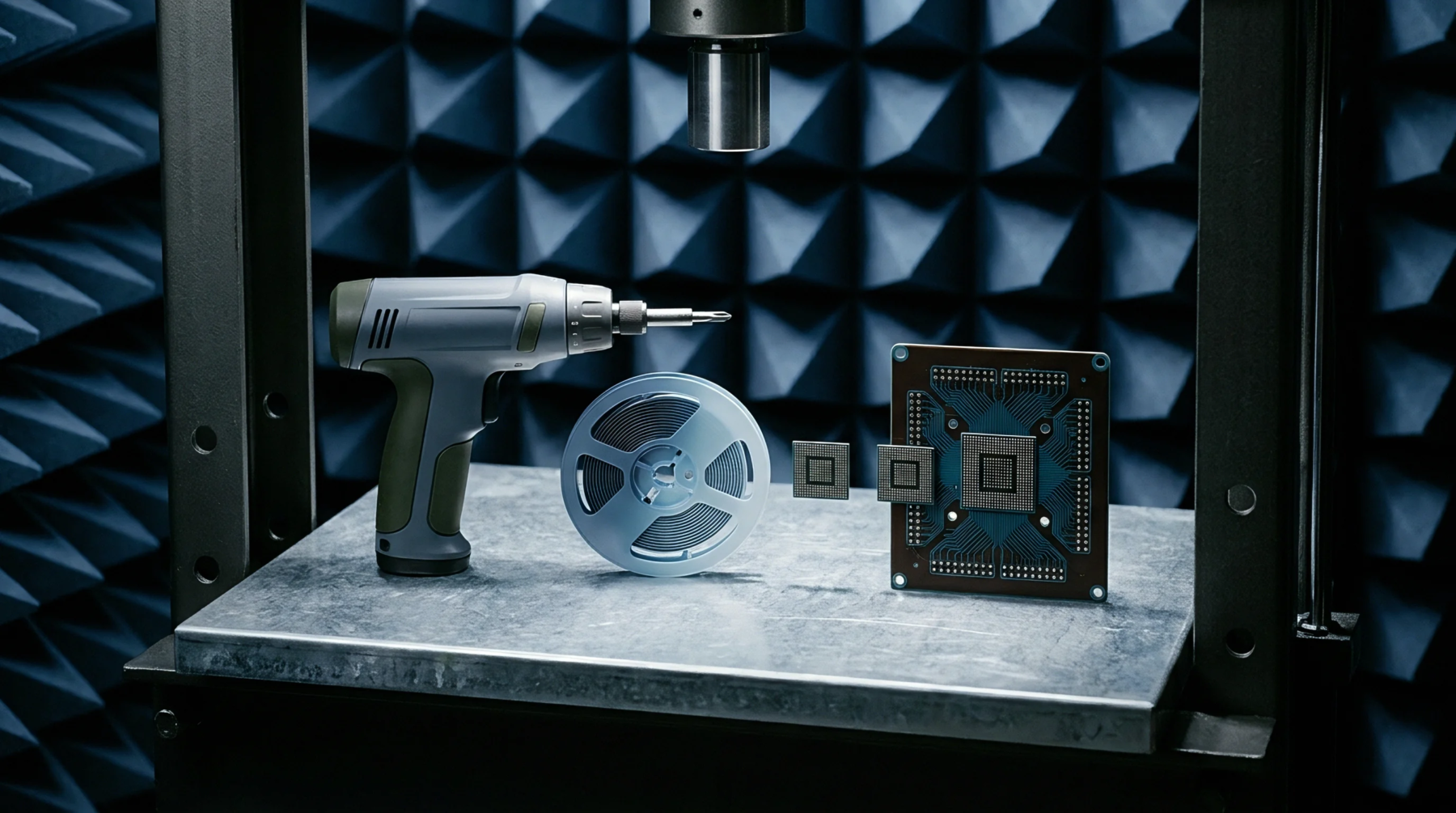
The time-dependent reduction in mechanical stress under a constant state of strain occurs in materials that exhibit viscoelastic behavior. Within electronic assemblies, structural stress relaxation gradually relieves the internal stresses built up in solder joints and polymer substrates after manufacturing. This reduction in load occurs without any change in the external dimensions of the assembly.
Material Creep
Solder alloys and laminate resins under tension or compression reorganize their internal structure over time to alleviate the applied mechanical force. This process occurs more rapidly at elevated temperatures where molecular and atomic mobility is higher. In solder joints subjected to thermal mismatch, the initial elastic stress converts into plastic strain through the movement of grain boundaries.
This conversion reduces the risk of immediate brittle failure but can accumulate fatigue damage over the long term. Understanding this behavior allows engineers to predict how clamping forces and joint stresses will change as the assembly ages.
Longterm Reliability
Excessive relaxation in bolted joints or spring contacts can lead to a loss of electrical contact pressure and cause high contact resistance. Board designers select materials with low relaxation rates for critical mechanical connections to ensure consistent pressure. Continuous tracking of contact resistance during environmental stress tests verifies that the selected materials retain their clamping force over time.