Mechanical Engagement
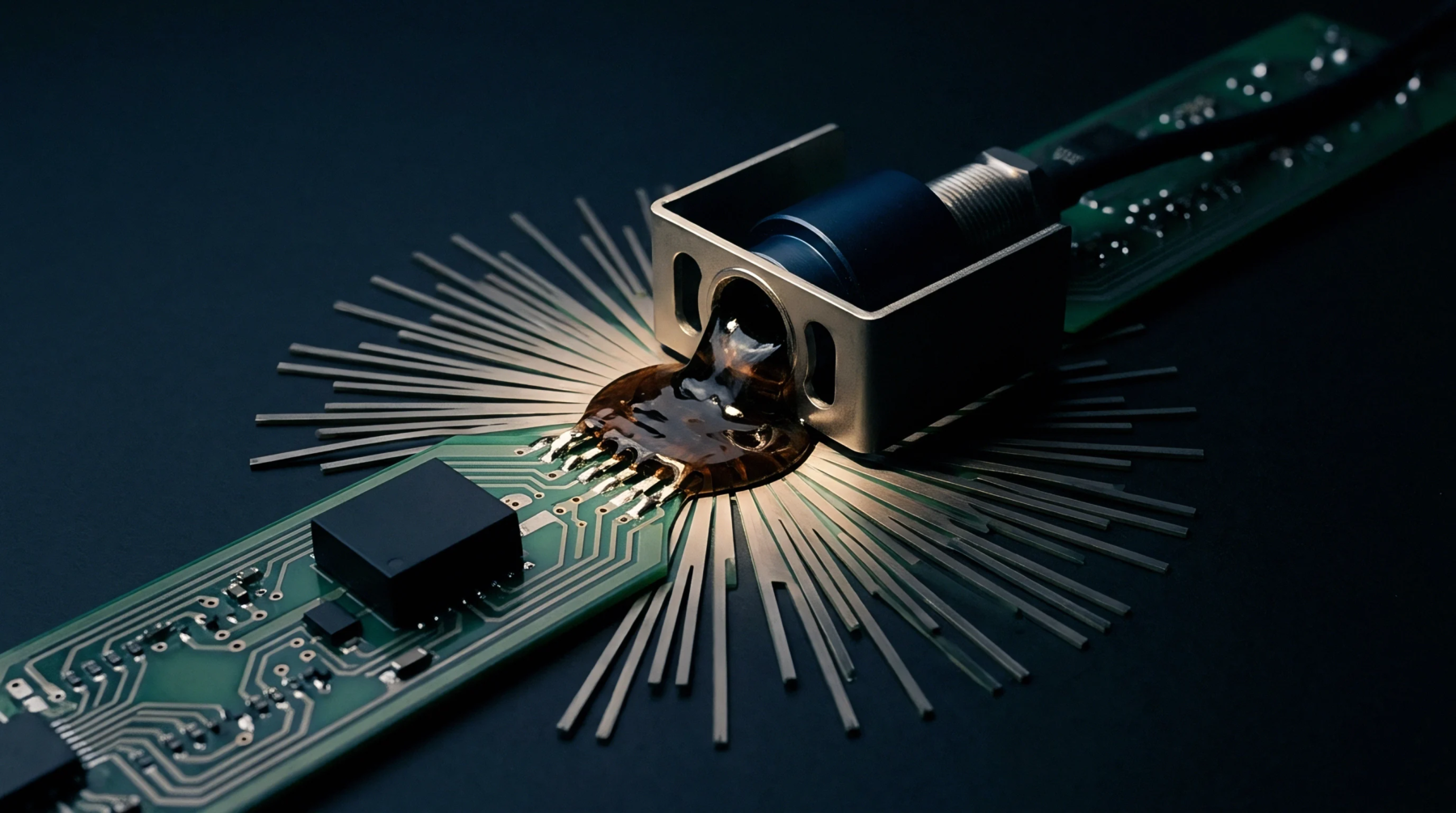
Press force application duration governs the bonding of connectors or pins into a circuit board during the final assembly phase. A subassembly press cycle starts when the pneumatic or hydraulic actuator contacts the component lead and terminates once the piston retracts to the home position. Dwell time represents a specific interval within this sequence where the machine maintains constant downward force to seat the pin fully within the plated through hole.
Excessive force damages the copper barrels of the board while insufficient duration causes high resistance connections or total open circuits.
Thermal Variance
Heat generation within the actuator system alters the viscosity of hydraulic fluids and changes the actual force delivery over a full shift. Controllers adjust the subassembly press cycle by monitoring feedback from load cells mounted on the ram to compensate for these ambient shifts. Operators establish a baseline pressure profile during initial setup to account for the stiffness of the particular connector type and the board thickness.
Calibration of these machines occurs during scheduled maintenance periods rather than daily to maintain the validity of force sensors.
Verification Protocol
Microscopic cross sections of test coupons confirm the integrity of the interference fit achieved by the compression motion. Technical standards dictate that the finished subassembly press cycle must produce a gas tight connection without deformation of the internal board geometry. Inspectors verify that the deformation of the compliant pin pins remains within the manufacturer specifications for pin retention force.
Proper application of this method ensures the long term reliability of electrical contact in dense packaging environments.