Physical Preparation
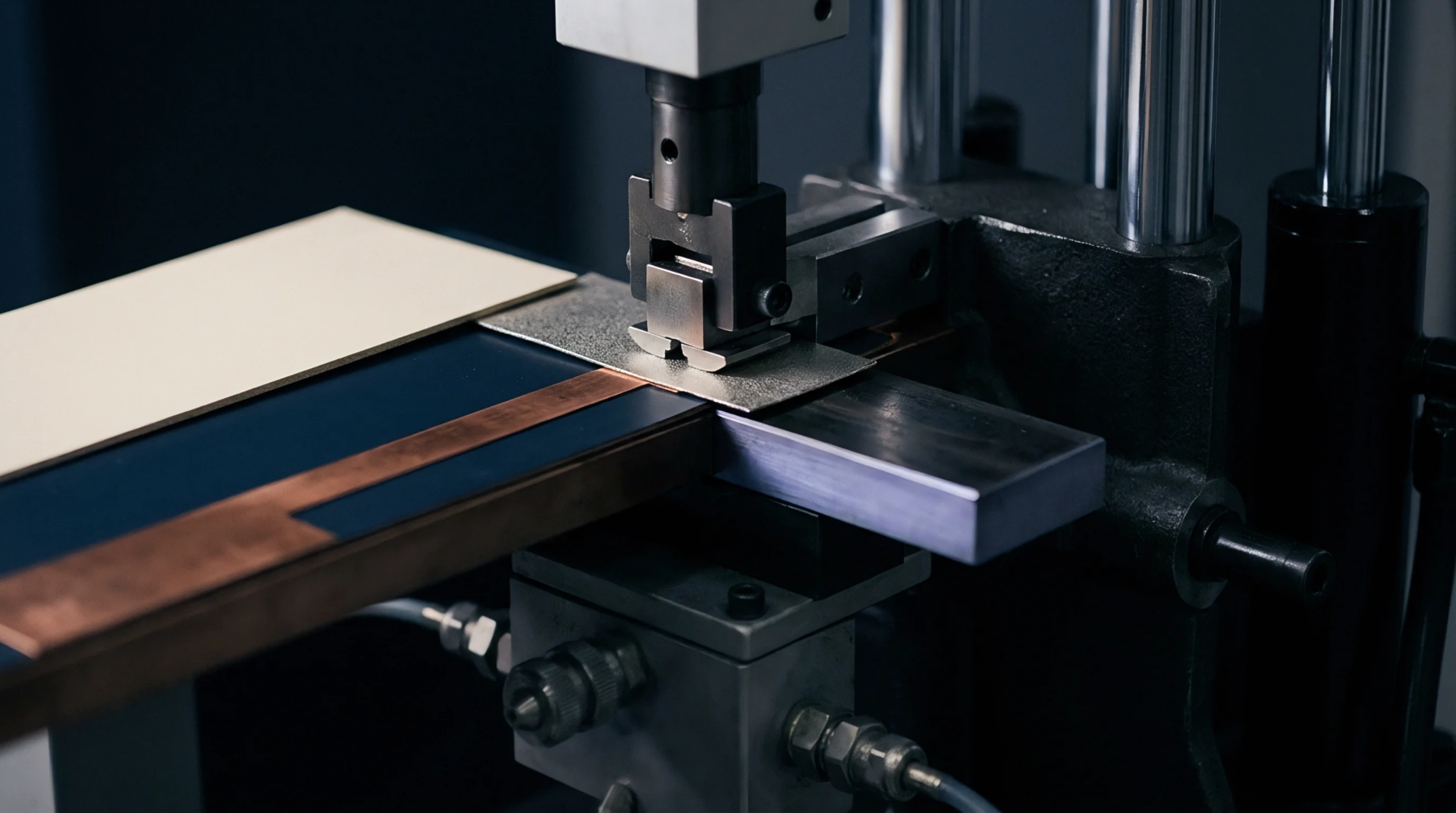
Chemical etching and mechanical abrasion create controlled topography on copper foil before photoresist deposition in printed circuit board fabrication. This specific surface roughening increases real contact area to promote mechanical interlocking between the substrate and subsequent polymer layers. Mechanical brushing introduces directional scratches while microetching dissolves grain boundaries uniformly to generate nanoscale peaks.
Poor adhesion during lamination frequently originates from inadequate topographical development on the inner layers. Etch rate monitoring and atomic force microscopy quantify the resulting profile to confirm readiness for subsequent processing.
Bonding Integrity
Interfacial reliability under thermal stress depends directly on how effectively resin penetrates the topographical irregularities created during the previous manufacturing steps. Delamination during solder reflow often results when moisture pressure exceeds the peel strength provided by the mechanical anchor points. Higher profile heights improve peel strength up to a specific threshold where polymer starvation occurs in the valleys of the texture.
Microscopic voids trap air during vacuum pressing if the resin viscosity fails to match the spatial frequency of the peaks and troughs. Tensile pull testing validates that the treated foil withstands the thermal shock of multiple assembly passes without separation.
Process Control
Electrolytic oxide reduction and chemical conversion coatings stabilize the prepared topography against degradation prior to multilayer lamination. Excessive etching thins the remaining copper conductor and increases high frequency signal attenuation through higher conductor resistance. Oxide baths require precise temperature and concentration limits to prevent smut formation that weakens the subsequent adhesive bond.
Inline optical profilometry measures root mean square roughness parameters to detect bath exhaustion before defective panels reach the press. Proper chemical replenishment schedules maintain consistent profile depths across high volume production runs.