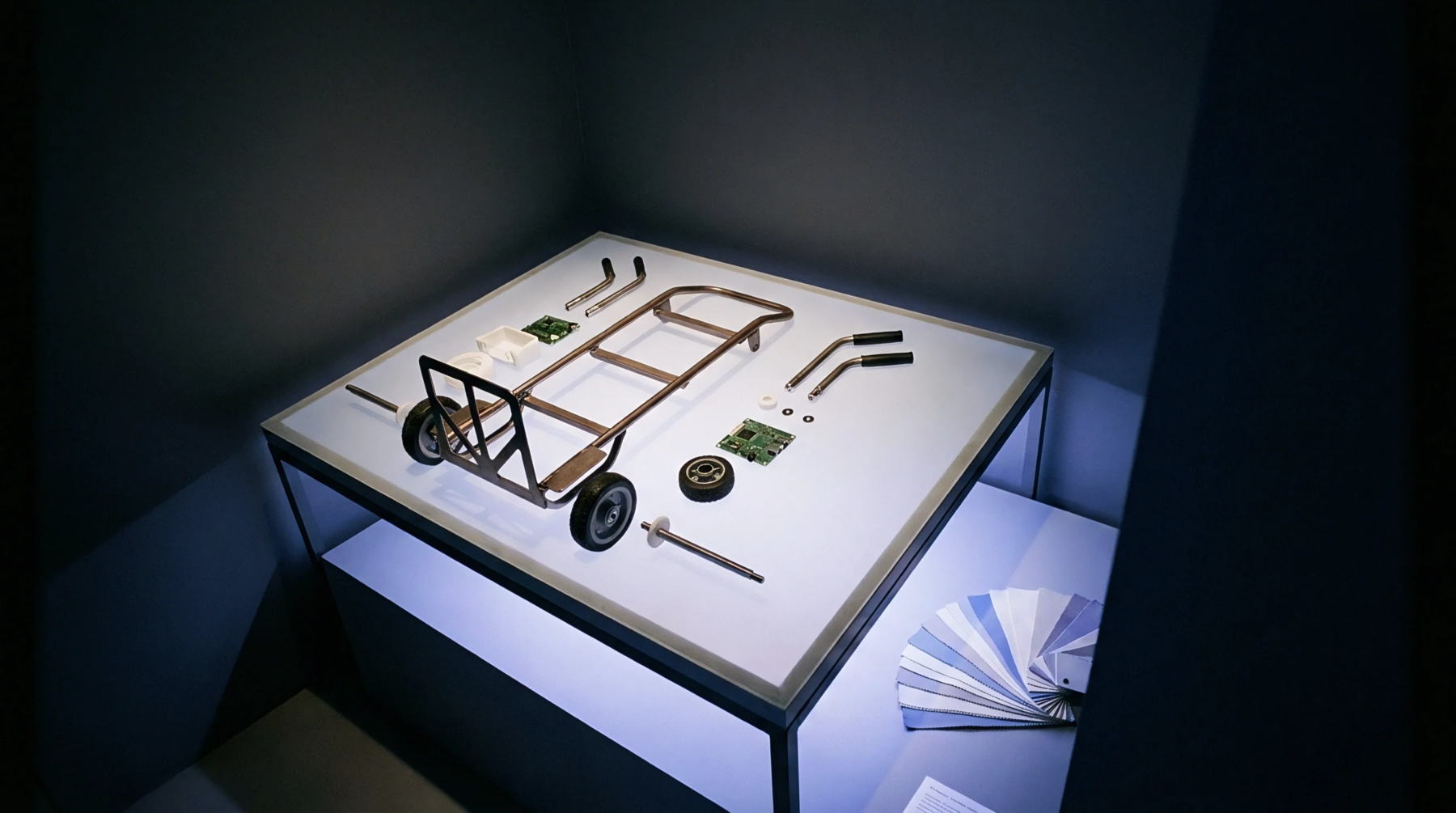
Fabrication Record
A compilation of manufacturing data links specific design intent to the physical output of board assemblies during the production cycle. The technical construction dossier provides this documentation link by gathering layer stack definitions, drill maps, and material specifications into one master file. Auditors inspect this collection to verify that the manufactured board matches the original Gerber data and material requirements.
Boards failing to align with these recorded parameters trigger non-conformance reports at the assembly line. Such records prevent deviations in impedance or copper thickness from reaching the final product stage. Any disparity found between the design files and the physical board forces an immediate halt to further processing.
Assembly Traceability
Manufacturers maintain this dataset to track component placement accuracy against predefined coordinate lists during the surface mount process. The technical construction dossier acts as the central reference for automated optical inspection machines by feeding them the exact geometry and reference designators for each component. These machines compare the actual solder joint formation against the documented standards contained within the files.
If a component footprint fails to match the stored dimensions, the inspector identifies the mismatch as a defect. Correct alignment depends on these inputs remaining consistent across every batch of production. The system updates the status of the assembly based on these specific test results.
Compliance Verification
Regulatory bodies rely on these structured archives to confirm that finished hardware adheres to safety and electrical emission limits defined by international industry standards. A technical construction dossier validates that the final assembly holds the same bill of materials and board layout as the unit originally certified by the test house. This oversight prevents unauthorized substitution of critical components that might affect the dielectric withstand voltage or thermal performance of the device.
Engineering teams update the documentation whenever a change occurs in the manufacturing process to reflect the current status of the hardware. The existence of a complete file provides the evidence required to demonstrate that the production run remains within the defined performance constraints.