Oxide Growth
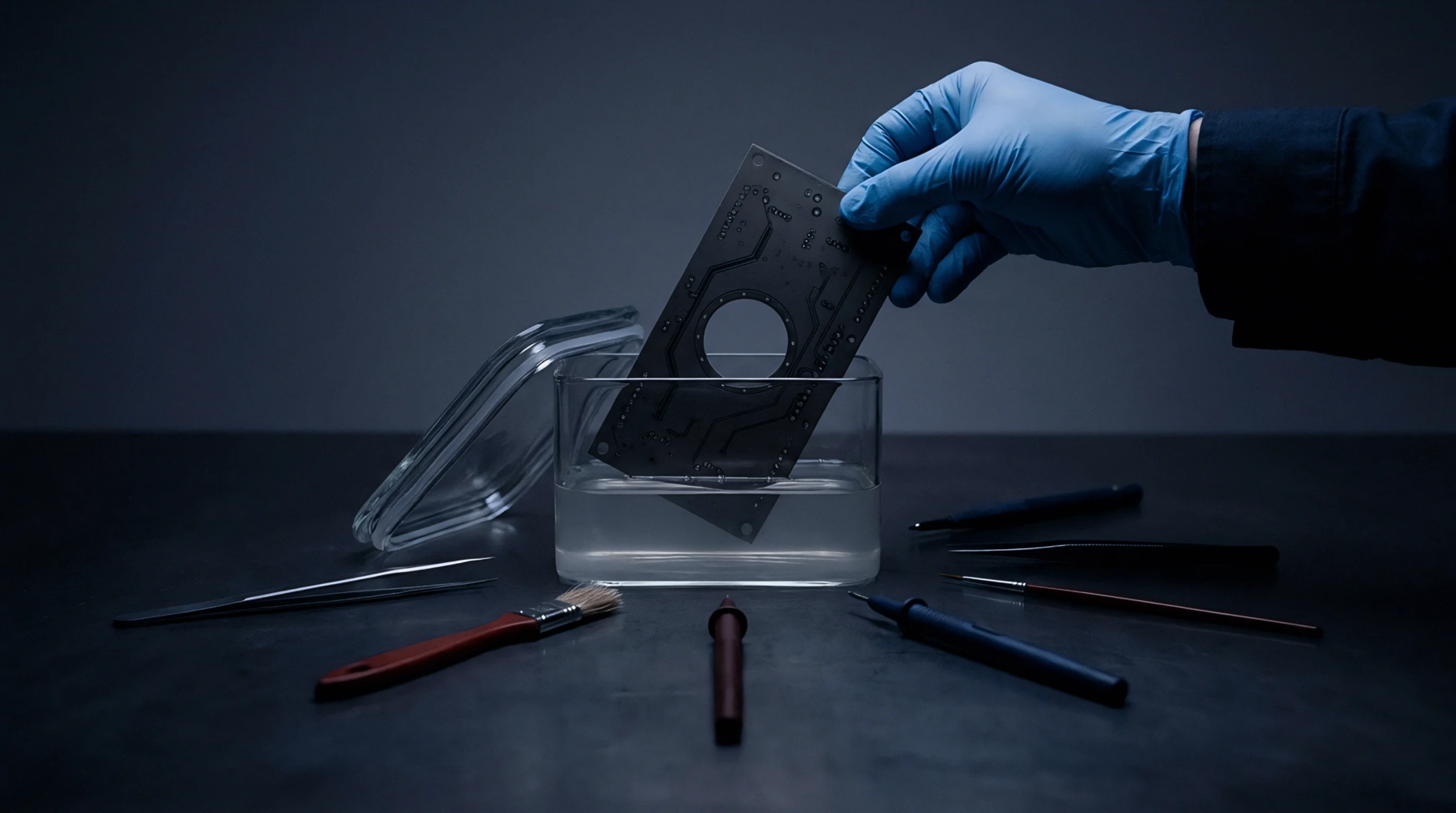
Controlled electrolytic oxidation is a surface modification process that grows a protective oxide layer on titanium or aluminum components used in electronics assembly. Through the application of thermal anodization type ii, manufacturers build a dense, non-porous barrier that increases resistance to wear and corrosion. This chemical transformation utilizes the substrate itself to generate the protective film.
The resulting layer provides excellent electrical insulation across the treated surfaces.
Electrochemical Control
Sulfuric acid baths are typically utilized to conduct the current required for growing this uniform oxide film on the metal parts. Precise control of the electrolyte temperature and voltage determines the growth rate and final density of the anodized layer. Cooler bath temperatures produce a harder and more compact structure than warmer baths.
After the electrochemical cycle is complete, a sealing step is performed in boiling deionized water to close any remaining pores in the oxide matrix. This sealing is necessary to ensure that the component does not absorb moisture or contaminants during subsequent handling.
Mechanical Benefit
Durable oxide coatings prevent mechanical wear on aluminum heatsinks and fixture blocks that undergo repeated thermal cycling in assembly ovens. This protection prevents metal flaking that could release conductive particles onto active boards.