Material Classification
Commercially pure metallic alloys provide a balance of strength and ductility while maintaining excellent resistance to chemical attack. In the context of electronics manufacturing, titanium grade 2 is the standard choice for constructing solder pots and pallets that must withstand repeated exposure to molten tin. This material is preferred over steel because it does not react with lead free solders or contaminate the alloy with iron.
It also maintains its shape under the thermal stress of a wave soldering machine.
Corrosion Resistance
Protective oxide layers form spontaneously on the surface of the metal to prevent further reaction with the environment. Because titanium grade 2 is highly resistant to the flux chemicals and high tin alloys used in modern assembly, it has a long service life in harsh environments. Even at the elevated temperatures required for lead free soldering, the metal remains inert and does not suffer from the erosion that plagues stainless steel.
This stability ensures that the dimensions of a soldering fixture remain constant over thousands of cycles. Maintenance requirements are significantly reduced when this metal is used for critical machine parts.
Pallet Utility
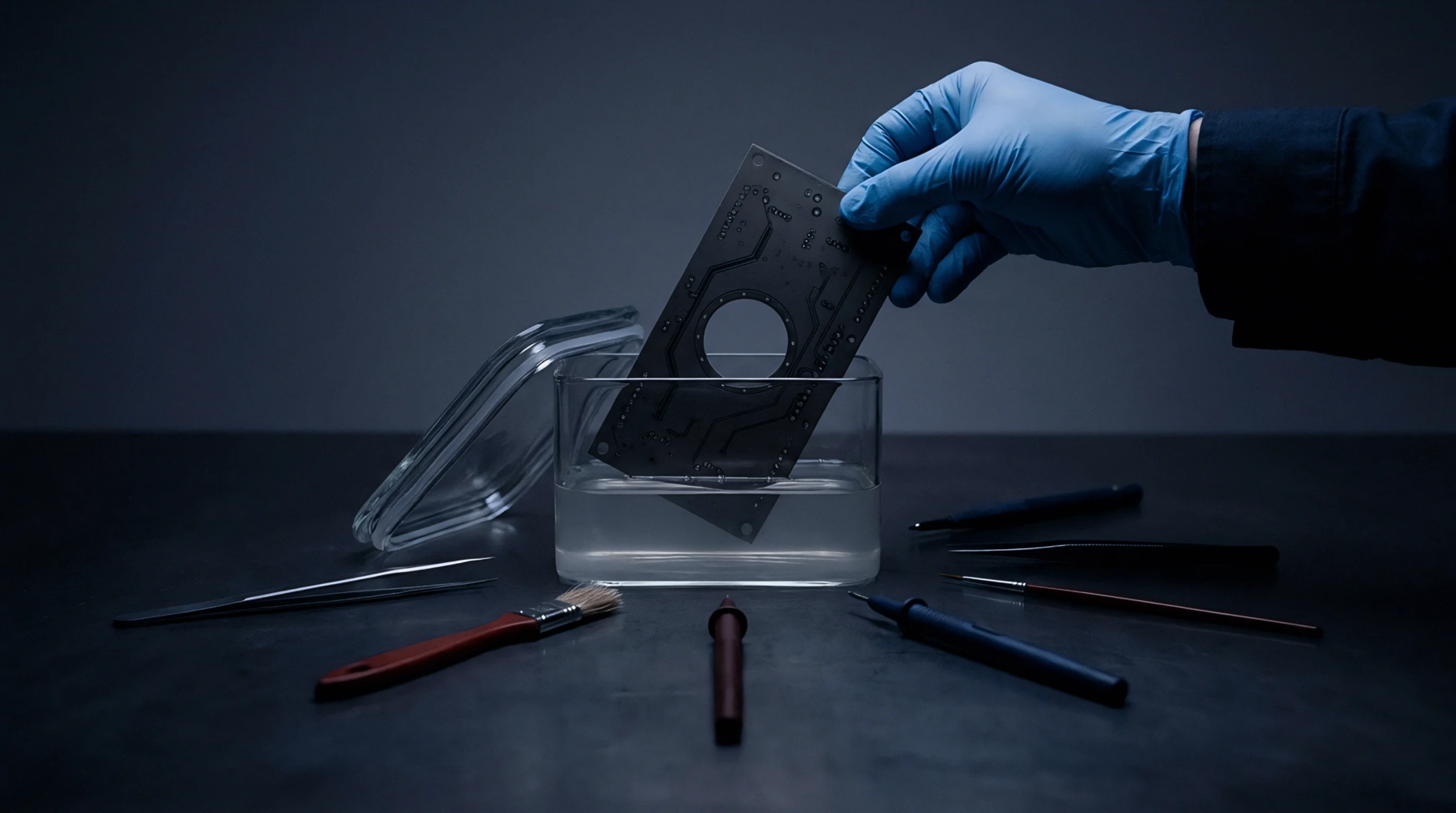
Machining this metal into complex shapes allows for the creation of customized solder pallets. Because titanium grade 2 is lighter than steel, it reduces the physical strain on the conveyor systems of a wave soldering machine. The durability of the material ensures that the pallets do not require frequent recalibration or replacement.