Carrier Function
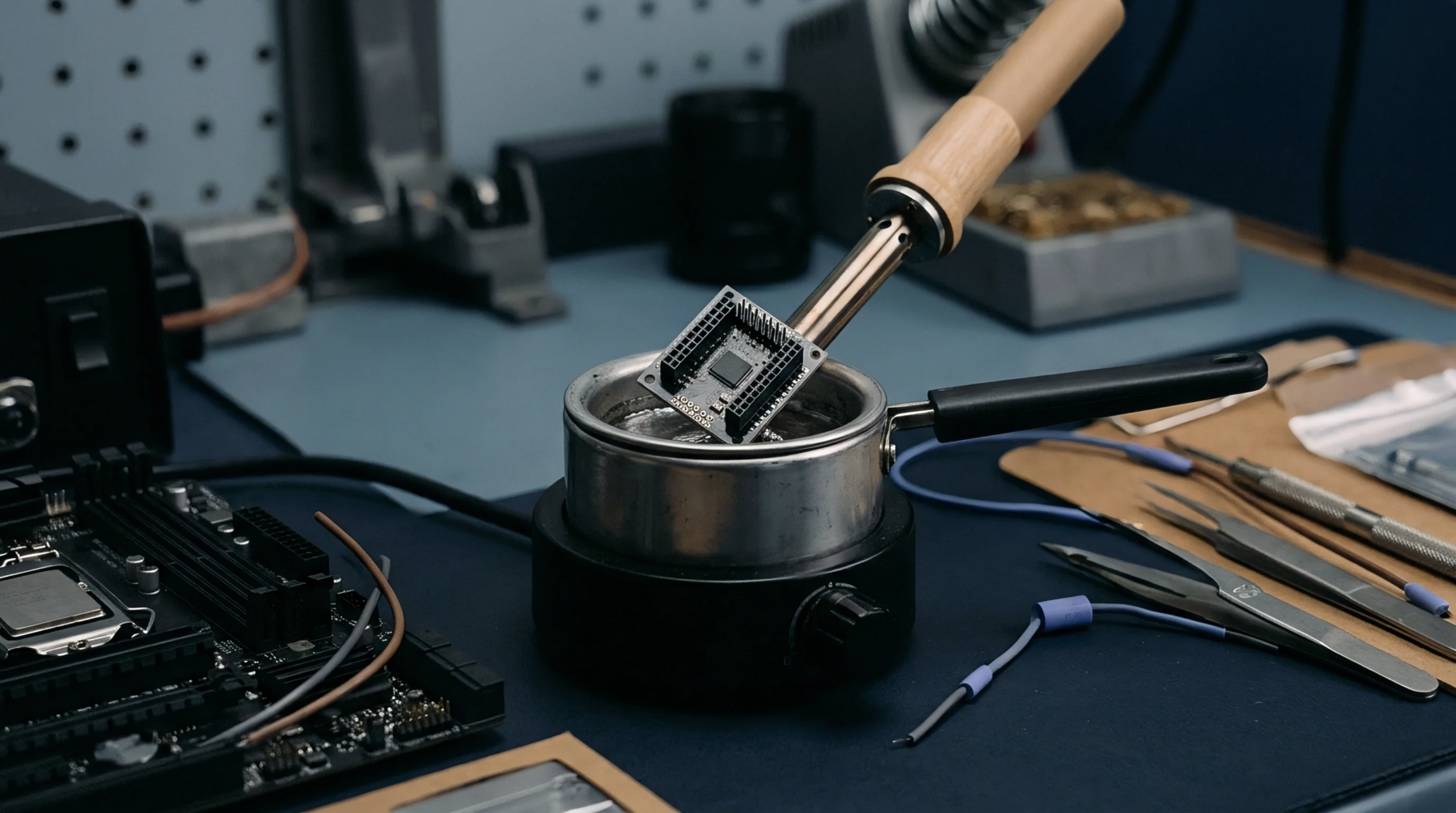
Electronic assembly processes rely on specialized tooling to transport printed circuit boards through molten solder waves while protecting sensitive surface-mount components. A wave solder pallet holds the board securely and masks off areas that must remain free of solder during processing. This masking prevents solder from contacting non-soldered pads or through-holes on the bottom of the board.
The carrier ensures the assembly remains flat and aligned throughout the process.
Material Requirements
Composite materials used to build these carriers must withstand repetitive thermal cycles up to two hundred and sixty degrees Celsius without distorting. The wave solder pallet is typically machined from composite laminate or durostone to ensure high dimensional stability and chemical resistance to aggressive fluxes. These materials must also resist solder adhesion, ensuring that no solder dross or balls cling to the pallet and transfer to the board.
Regular cleaning of the pallet extends its lifespan and prevents contamination. Properly designed pallets endure thousands of passes through the soldering machine.
Assembly Integration
Alignment pins and hold-down clamps on the carrier prevent the board from lifting or shifting when it makes contact with the solder wave. Without a well-designed wave solder pallet, the upward force of the molten solder can displace the board, causing misaligned solder joints. Technicians inspect the clamps for wear before each production run to prevent board movement.