Shape Change
Sudden temperature increases during the soldering phase of assembly can cause a printed circuit board to lose its flat profile temporarily or permanently. The thermal deformation reflow process occurs when the different materials in the assembly expand at different rates, causing the board to sag or bow. This movement is most pronounced when the temperature passes the glass transition point of the substrate resin.
If the deformation is severe enough, it can cause solder joints to bridge together or prevent the pins of large components from making contact with their pads.
Soldering Failure
Dynamic changes in the board shape during the heating cycle can lead to the formation of head-in-pillow defects. When thermal deformation reflow causes the corners of a large ball grid array component to lift away from the solder paste, the solder balls might melt without fusing to the pads. As the board cools and returns to its original shape, the ball rests on the solidified paste without a metallurgical bond, creating an intermittent open circuit.
Mechanical Support
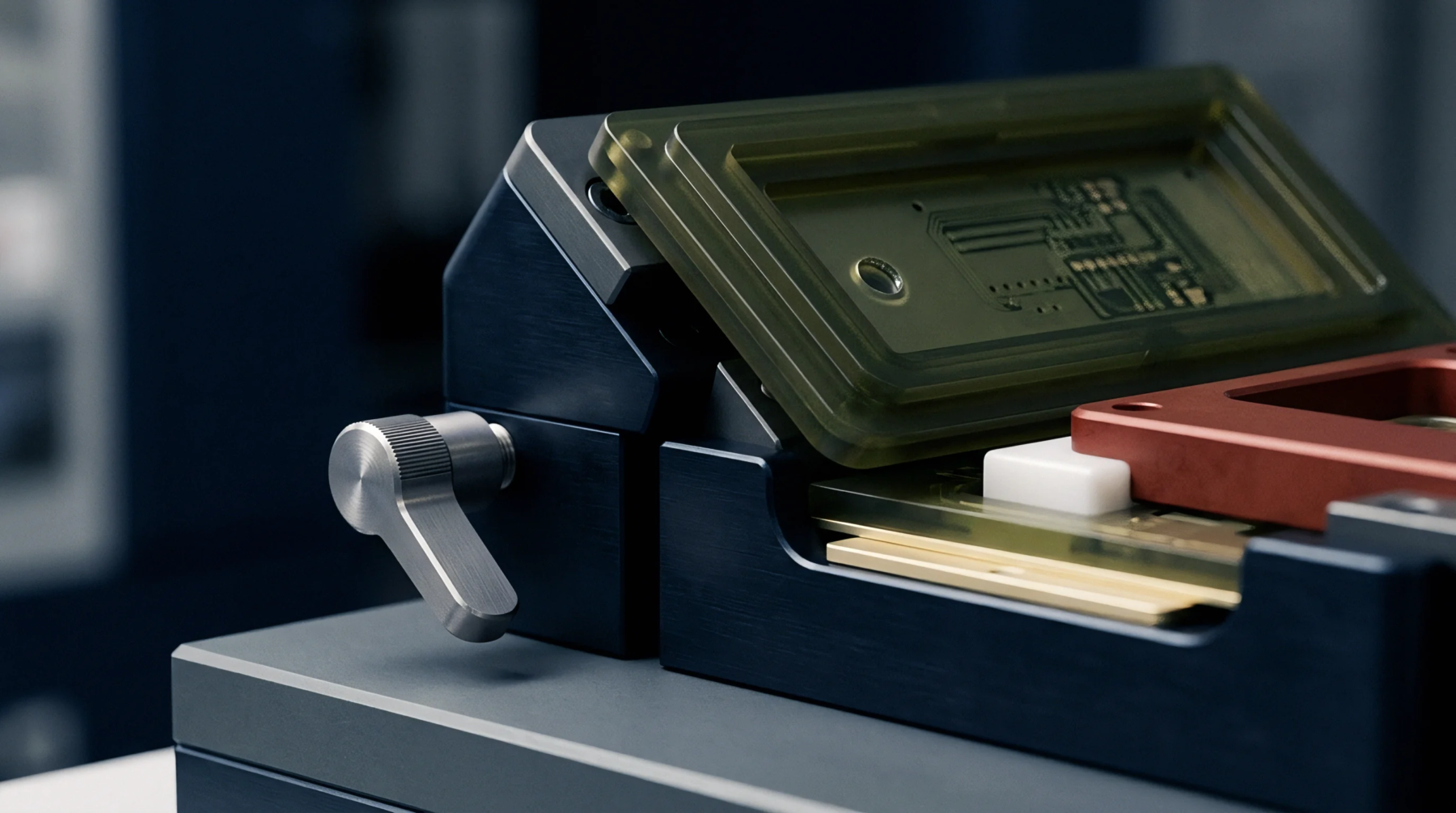
Support fixtures and pallets are used in the oven to hold the assembly flat and minimize movement. These tools provide a stable platform that resists the natural tendency of the board to warp under thermal stress.