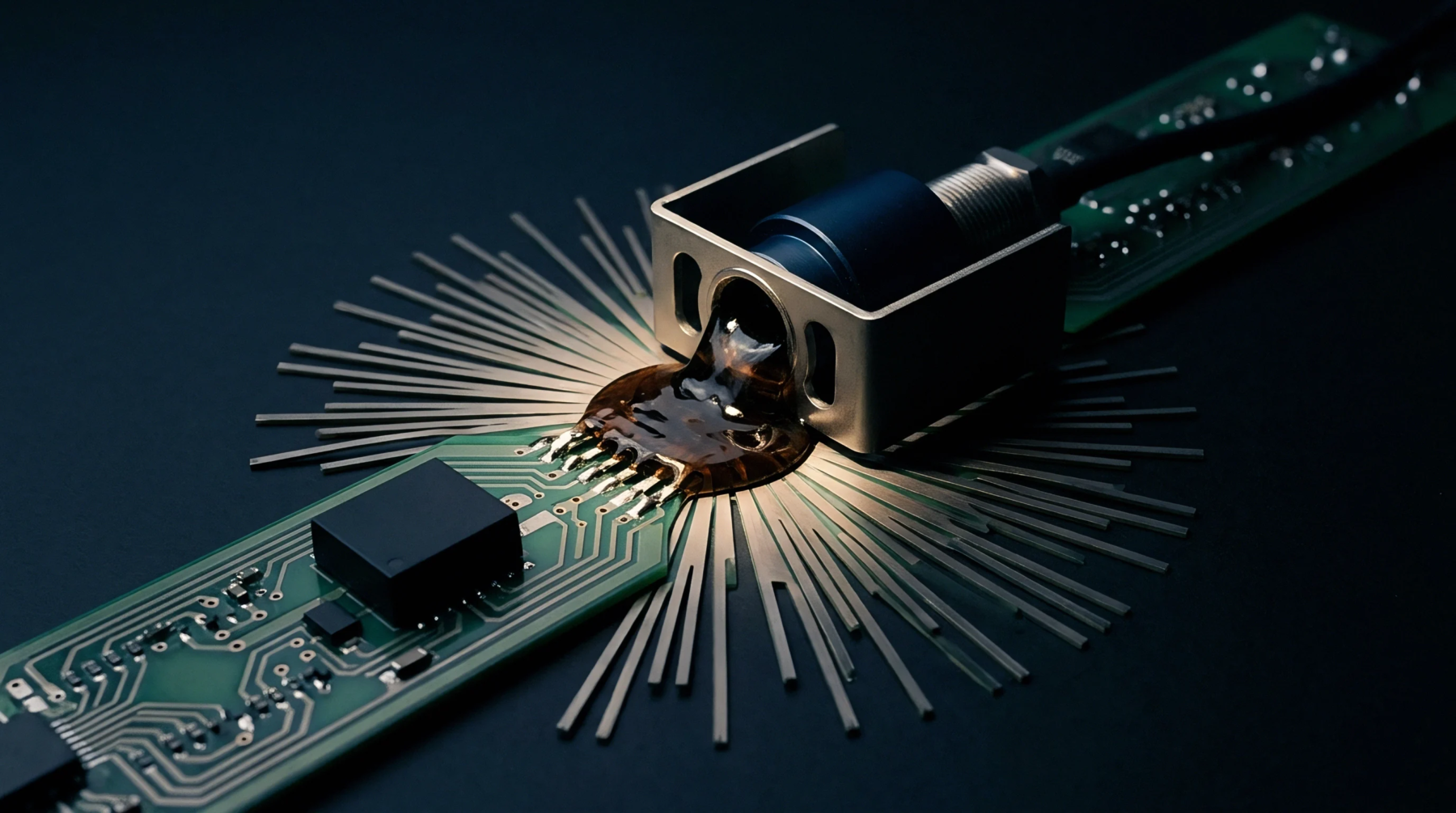
Heat Accumulation
Heat generation within an electronic assembly occurs when current flows through the resistive paths of the conductors and the active components. Thermal elevation measures the difference between the operating temperature of the board and the surrounding ambient environment. Monitoring this rise is essential for ensuring that the materials do not exceed their rated glass transition temperature or the maximum operating temperature of the components.
Measurement Method
Infrared thermography provides a visual map of the temperature distribution across the surface of the board during a functional test. Thermal elevation is often calculated at the hottest point on the assembly, such as a power regulator or a high speed processor, to determine if additional cooling is necessary.
Mitigation Strategy
Design features like thermal vias and thicker copper planes are used to manage the energy and reduce the peak temperature. When the thermal elevation is too high, the designer might add a heat sink or specify a laminate with a higher thermal conductivity to spread the heat more effectively. Simulation software allows engineers to predict these temperature rises before the first prototype is built.
They can adjust the component placement or the airflow in the chassis to maintain the assembly within safe limits. Maintaining a low temperature rise is a primary goal for high power industrial and automotive electronics.