Registration Error
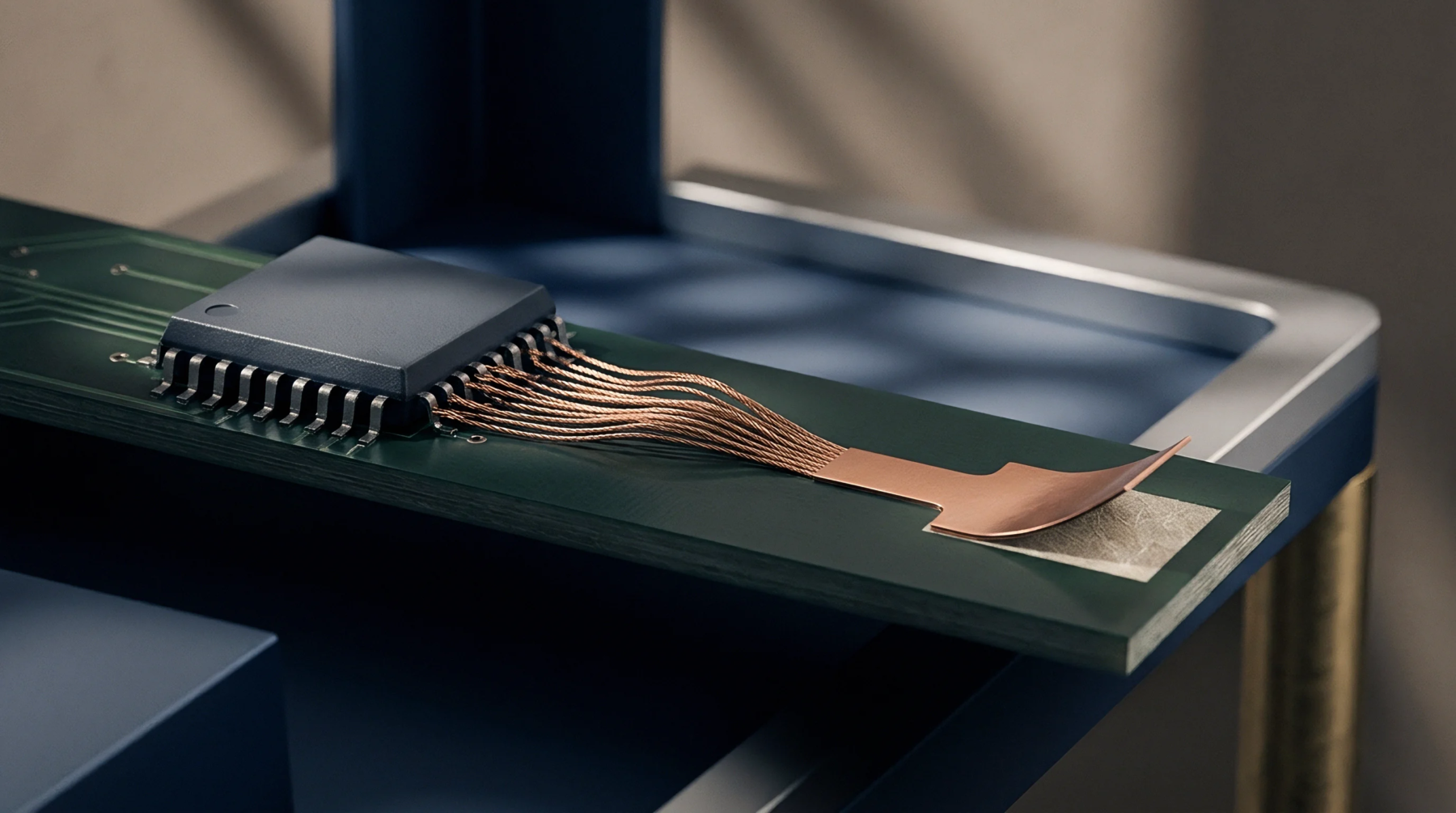
Dimensional changes in the internal layers of a circuit board occur as the resin melts and the fiberglass expands under heat. The occurrence of thermal lamination shift leads to the misalignment of pads between different layers of the board. This movement is often unpredictable because it depends on the copper pattern and the direction of the glass weave.
Material Tension
Internal stresses that were locked into the laminate during the manufacturing of the raw core are released in the press. During the cycle, the thermal lamination shift is exacerbated by the uneven distribution of copper which pulls the material in different directions. Fabricators attempt to minimize this by using pre-shrunk cores and controlling the cooling rate of the lamination press.
Tolerance Stackup
Small errors in the alignment of each individual layer add up to a large total displacement in the finished product. If the thermal lamination shift exceeds the size of the annular ring, the drill will miss the internal pad entirely. This results in an open circuit or a weakened connection that will fail during soldering.
Careful monitoring of the registration targets after the press cycle allows the shop to adjust the drill coordinates for the next panel.