Clamping Apparatus
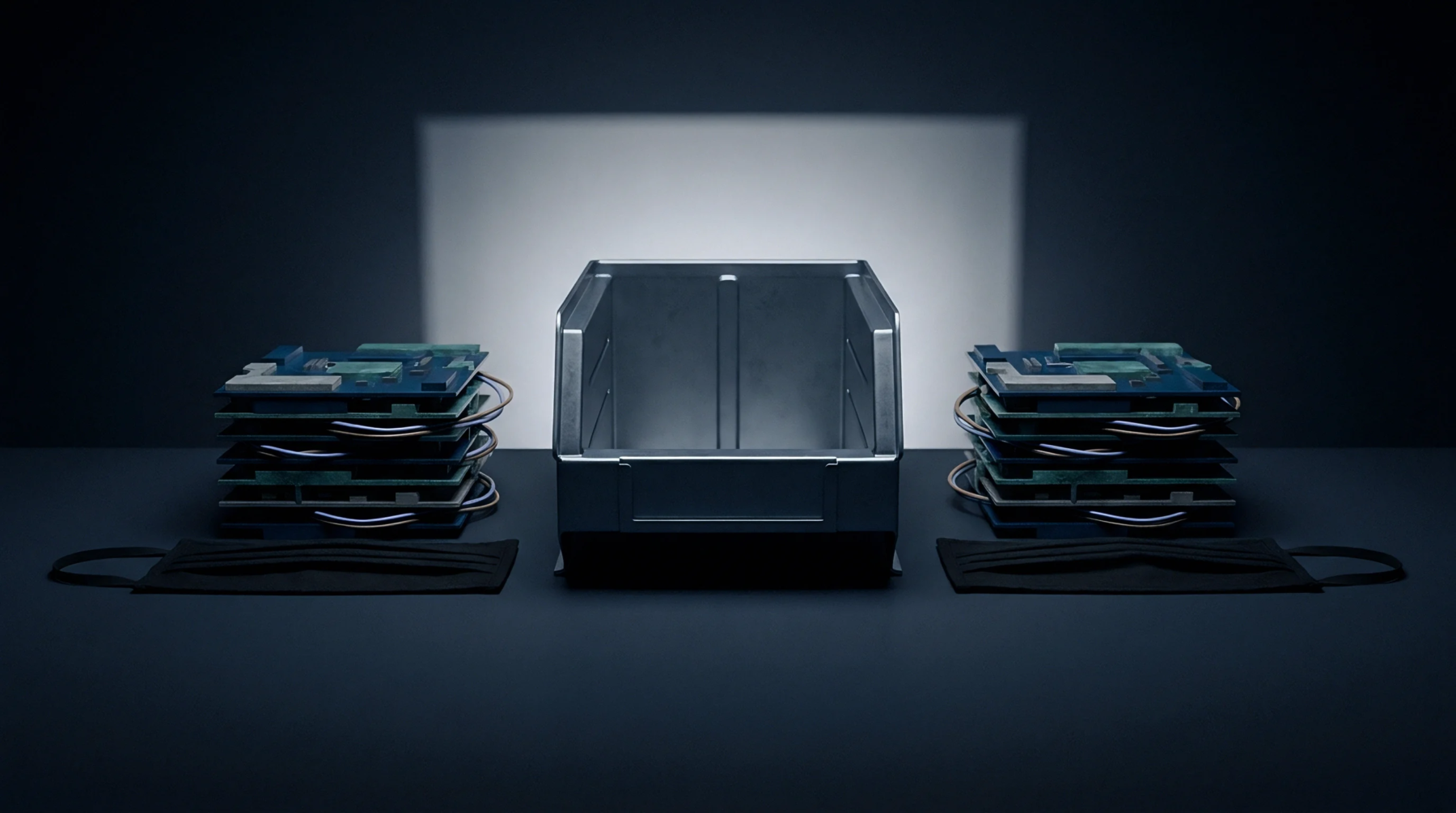
Mechanical fixtures used in automated board testing often rely on atmospheric pressure differential to secure the unit under test against the probe tips. A vacuum cassette provides the sealed chamber that holds the printed circuit board assembly and pulls it down onto the spring-loaded test pins. This action ensures uniform compression and reliable electrical contact across all test points simultaneously.
Sealing Mechanism
Achieving a reliable vacuum seal requires a flexible perimeter gasket and specialized support gates that prevent the board from flexing during the drawdown phase. When the vacuum cassette is activated, air is evacuated from the chamber beneath the board, drawing the assembly down with a force proportional to the board’s surface area. This physical drawdown must be controlled to prevent excessive board flexing, which could crack delicate solder joints or surface-mount ceramic capacitors.
Precision-milled support pins are placed beneath the board to counteract the downward force and maintain a flat profile.
Operational Use
Pneumatic or manually locked fixtures of this type are common in high-volume production because of their rapid cycle times and ease of operation. However, the use of a vacuum cassette requires regular cleaning and maintenance of the seals to prevent air leaks that would reduce clamping force. In addition, the fixture cannot be used on boards with open vias or unpopulated holes unless these openings are masked to prevent vacuum loss during the test run.