Atmospheric Discrepancy
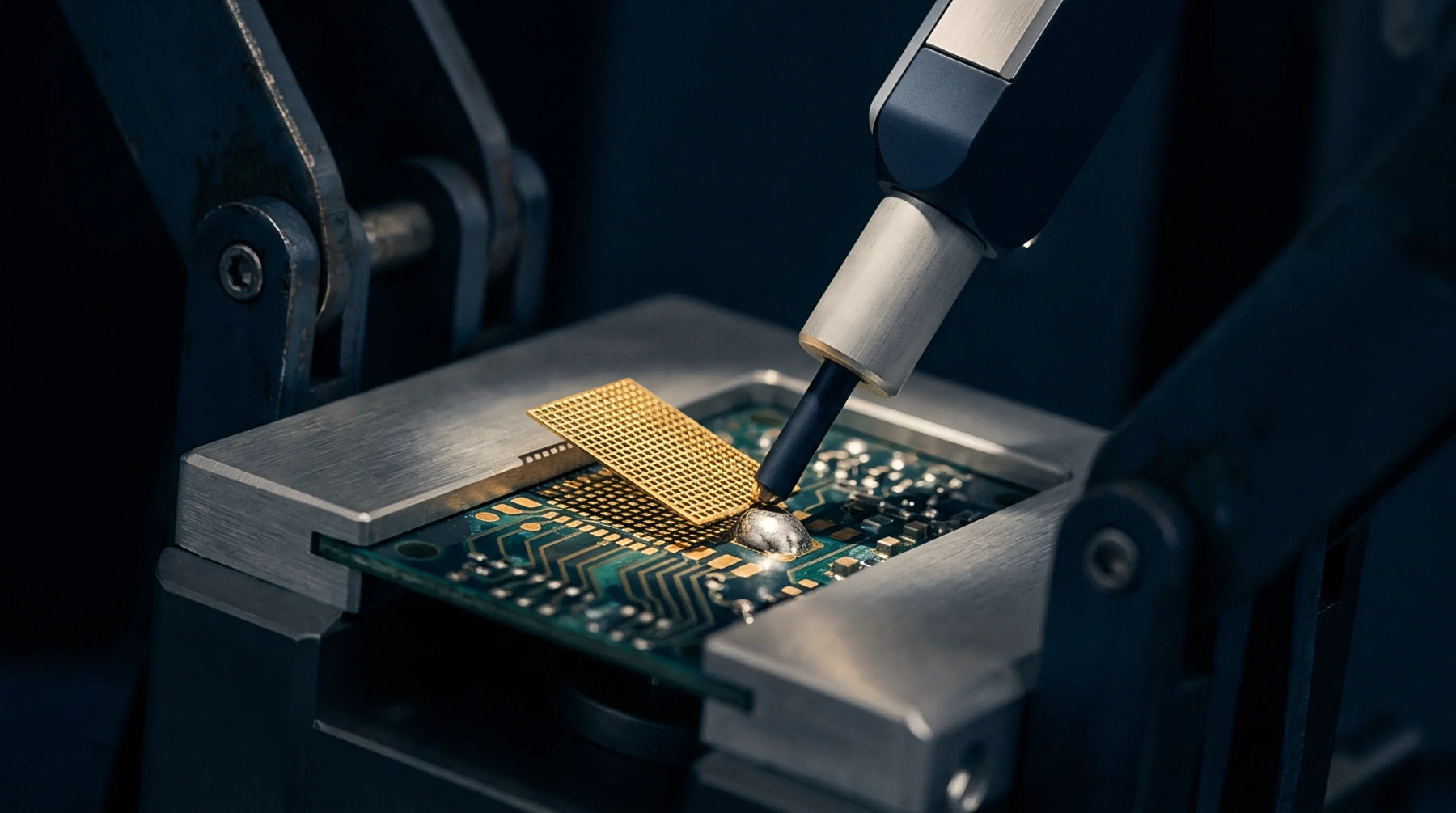
Force generated by the difference in pressure between the sealed interior of an assembly chamber and the surrounding atmosphere drives the material extraction and sealing processes. This variance, called vacuum pressure differential, governs the flow of air and gases out of solder joints during vacuum reflow soldering. The process is used to eliminate voids in solder joints but does not apply to open-air reflow systems.
Void Elimination
Reducing the pressure inside the reflow chamber forces trapped air bubbles in the molten solder to expand and escape. Maintaining an optimal vacuum pressure differential ensures that the remaining solder joints are highly dense and free of mechanical weaknesses. This treatment is particularly useful for power electronics and high-reliability automotive assemblies.
Process Safety
Monitoring systems trace the pressure profile throughout the soldering cycle to prevent sudden pressure drops that could displace components. If the pressure difference is not carefully controlled, it can cause molten solder to splatter or create solder balls on the board surface. Automatic release valves regulate the cycle to ensure a smooth transition back to atmospheric pressure.
Quality records document the minimum pressure achieved during each production run to guarantee process repeatability and trace potential defects. These logs assist in auditing the line against international standards.