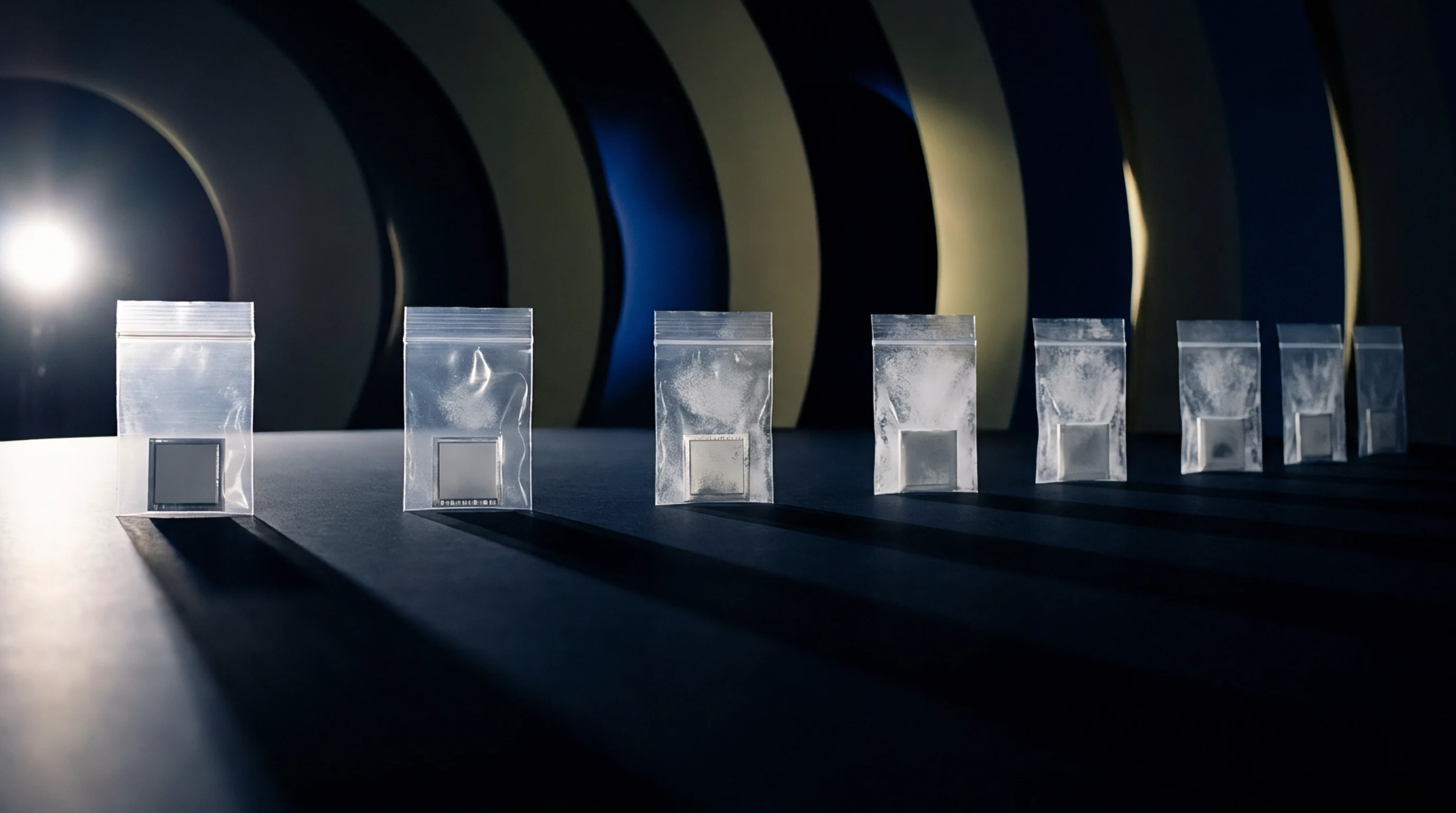
Phase Change
Conversion of a liquid substance into a vapor occurs at temperatures well below the boiling point. During the curing of solder pastes and conformal coatings, volatile evaporation removes the solvents required for application. This process leaves behind the solids that form the mechanical and electrical bond.
If the rate of removal is too high, the surface may skin over and trap gases underneath.
Defect Formation
Rapid heating in the reflow oven can lead to the formation of voids within the solder joint. As volatile evaporation occurs, the expanding gas must escape before the solder reaches its liquidus temperature. If the gas is trapped, it creates hollow spaces that weaken the joint and reduce its thermal conductivity.
Controlled ramp rates in the thermal profile are used to manage this outgassing. Monitoring the weight loss of a sample during heating provides a precise way to determine the ideal soak time for a specific paste chemistry.
Environmental Control
Storage conditions affect the shelf life of chemical components. Because volatile evaporation can occur at room temperature, containers must be tightly sealed to prevent the paste from drying out. A change in the solvent ratio alters the viscosity and leads to printing errors on the stencil.
Proper refrigeration slows this process.