Glass Distribution
A specific measurement metric evaluates the ratio of glass mass to total volume in hermetic terminal packages used for electronic component sealing. The volumetric glass ratio quantifies how much dielectric material occupies the internal body between pins and eyelets during preform melting and furnace firing. Excessive glass content creates radial stress fields that crack ceramic headers, whereas insufficient fill generates microscopic voids that allow moisture ingress under environmental exposure.
Quality control personnel measure this proportion using cross-sectional micro-polishing followed by optical microscopy image analysis during incoming lot verification.
Thermal Stress
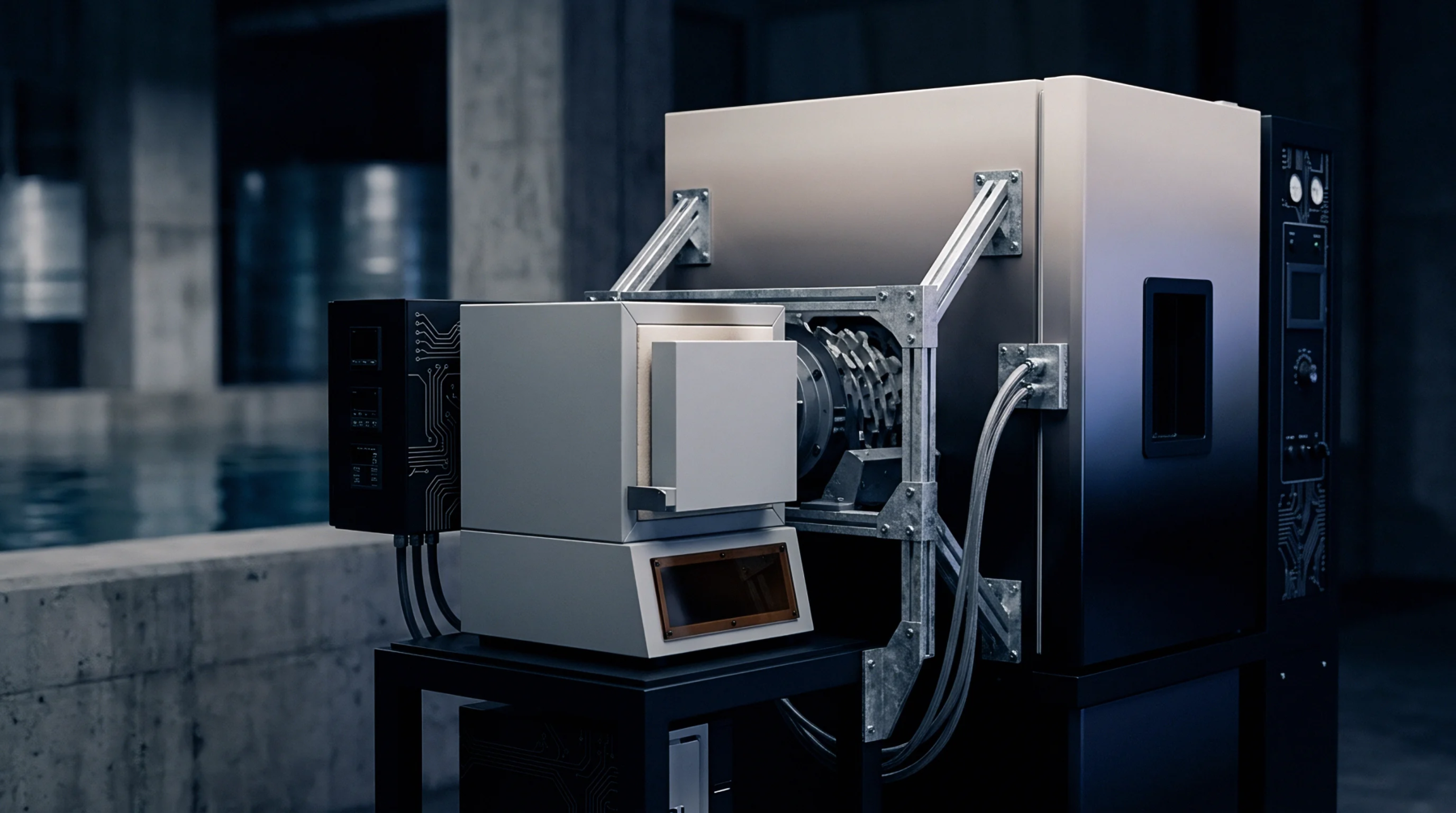
Manufacturing engineers track preform shrinkage patterns because cooling rates dictate mechanical integrity across the seal boundary. High temperature sealing furnaces melt the powder compacts onto Kovar alloy pins, creating rigid intermetallic bonds as the assembly transitions through the annealing range. Differential thermal contraction between the metallic housing and the insulating material induces hoop stresses during ambient cooling, which directly threatens hermeticity if dimensional proportions drift outside specified limits.
Helium mass spectrometer leak testing acts as the final sorting mechanism to catch components where improper glass volume compromised the perimeter seal.
Alloy Shrinkage
Surface tension dynamics dictate how liquid silica wets oxidized metal surfaces during the wet-in phase of glass-to-metal sealing. Viscosity variations across different batch formulations alter meniscus formation, changing the final spatial occupancy inside the stamped frame. Tooling wear during preform blanking introduces dimensional drift into the raw components, shifting the baseline mass calculations before furnace loading begins.
Post-firing X-ray inspection detects internal bubble formation caused by trapped volatile binders within overloaded cavities.