Vertical Deviation
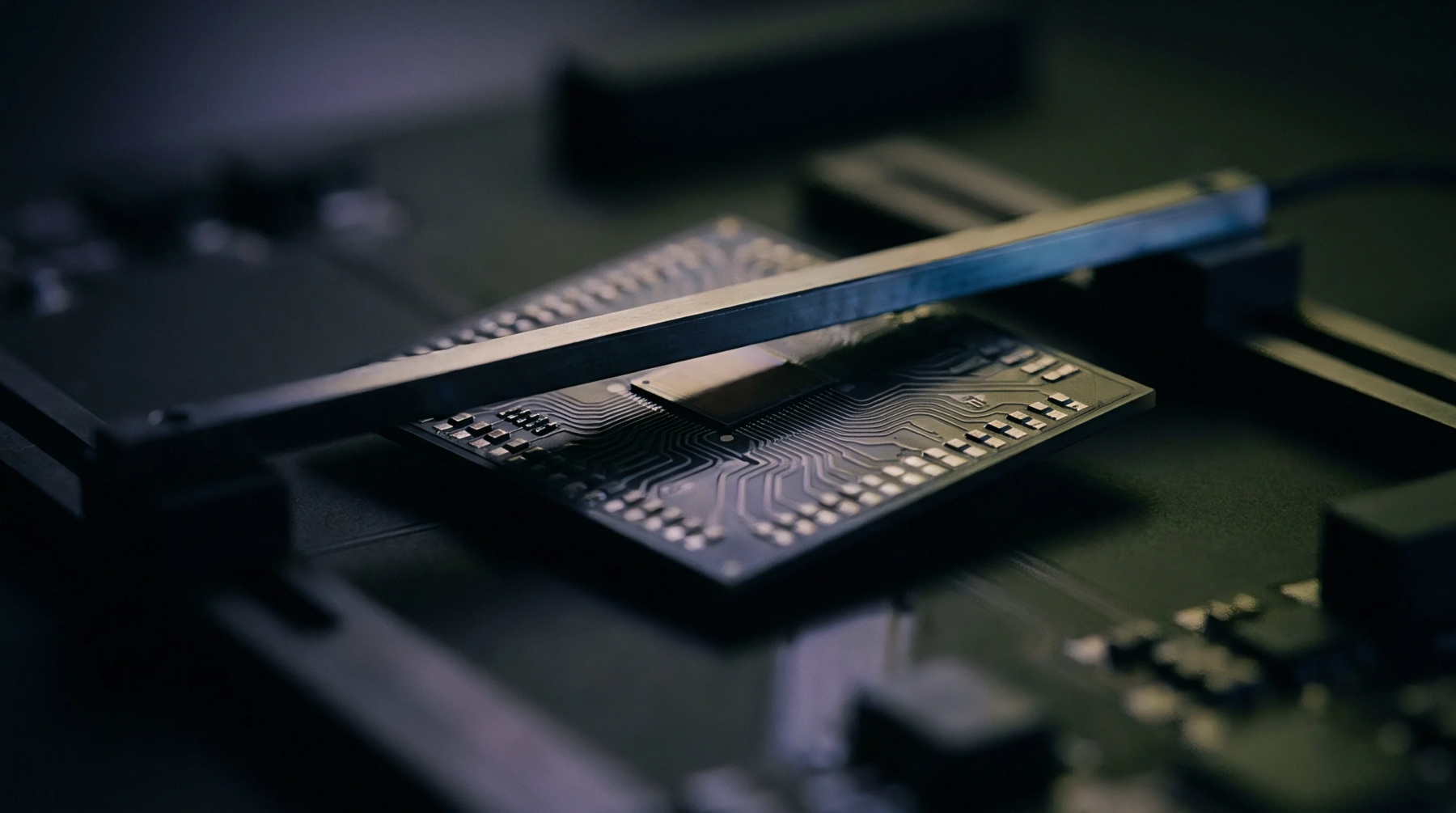
Linear movement or variation in the vertical position of a component or substrate surface defines the deviation from the intended focal plane. In precision assembly, z axis displacement refers to the unintended height changes that occur during board handling or thermal processing. Small shifts in this dimension can lead to inaccurate solder paste volumes or improper component seating.
Process Impact
Control of z axis displacement is necessary during the pick and place cycle to avoid damaging delicate parts. If the board is not perfectly flat, the nozzle may release the component too high or press it too firmly into the paste. Vertical variation often stems from improper support or substrate warpage.
Managing these vertical shifts ensures that the mechanical interface between the nozzle and the pad remains consistent.
Measurement Technique
Detection of the displacement involves high speed sensors that monitor the board profile in real time. When z axis displacement exceeds the depth of field of the inspection cameras, the image quality suffers and measurement errors increase. Automated systems compensate for this by adjusting the focus or the height of the sensor head.
The result is a more stable inspection process that can handle boards with measurable natural curvature.