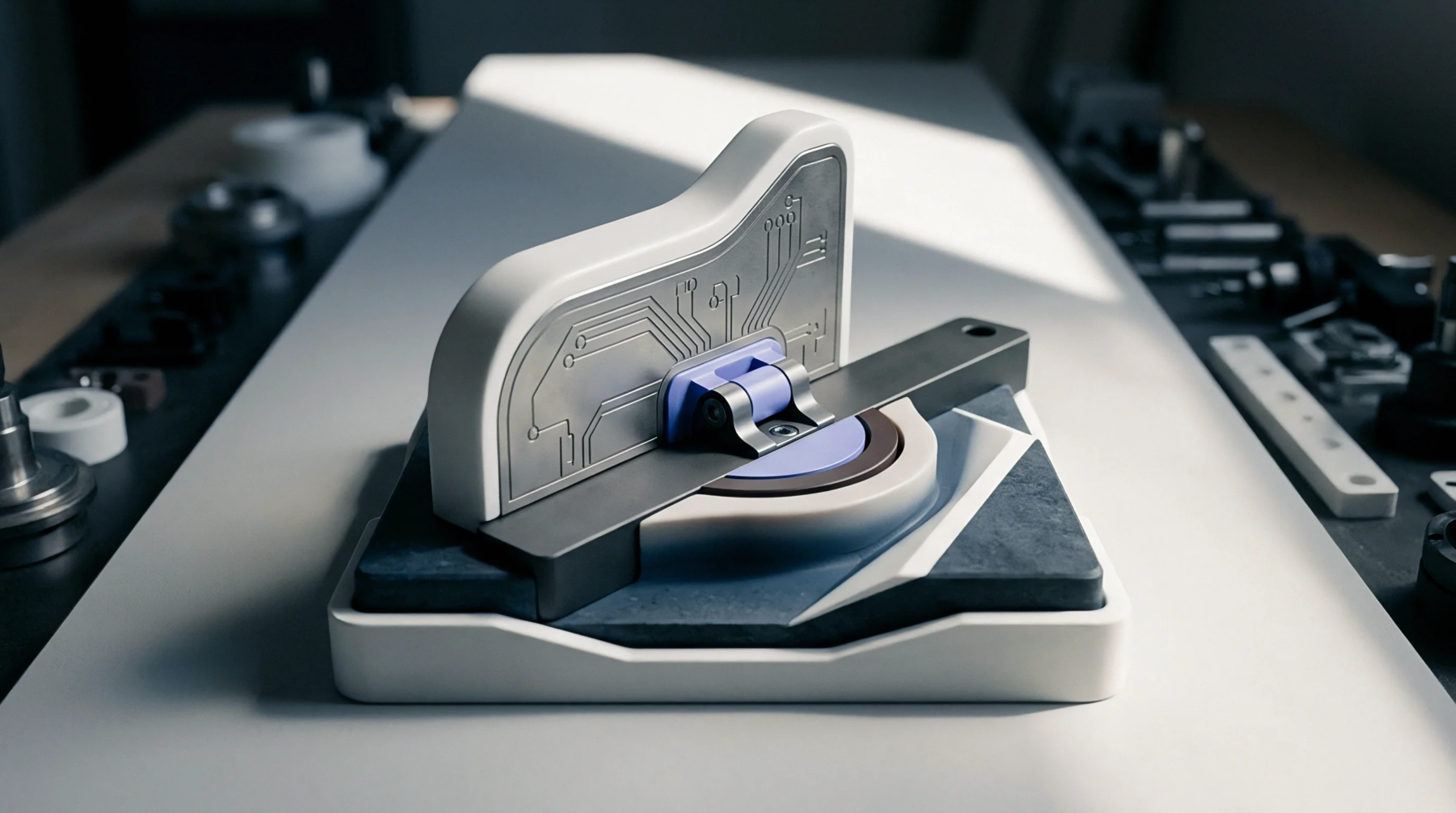
Material Variance
Dielectric permittivity and thermal expansion coefficients change depending on the direction of measurement within a composite substrate. Anisotropy describes these differences in physical properties when measured along different axes of a printed circuit board laminate. Reinforcing fibers such as glass cloth typically dictate the orientation of higher mechanical strength and lower thermal movement within the resin matrix.
Manufacturers monitor this behavior to prevent board warp and registration errors during multilayer registration.
Process Influence
Lamination cycles during fabrication lock the orientation of fiber bundles into a fixed geometric pattern. Uneven distribution of resin density or improper fiber alignment creates unexpected performance shifts under thermal stress. Automated optical inspection equipment detects dimensional deviations that arise from uneven expansion rates.
Engineers calculate the expected shrinkage during the design phase to compensate for the drift in hole registration. Corrective scaling factors applied to photo tool artwork accommodate the measured expansion variance across the panel width.
Structural Impact
High frequency signals suffer from phase instability when the substrate exhibits uneven propagation delay. Copper traces routed across fiber bundles experience impedance fluctuations because the dielectric constant varies spatially. Designing board layouts to maintain a consistent angle relative to the weave pattern minimizes the deviation in signal timing.
Electrical performance remains predictable when the fabrication process holds the mechanical grain orientation within defined limits.