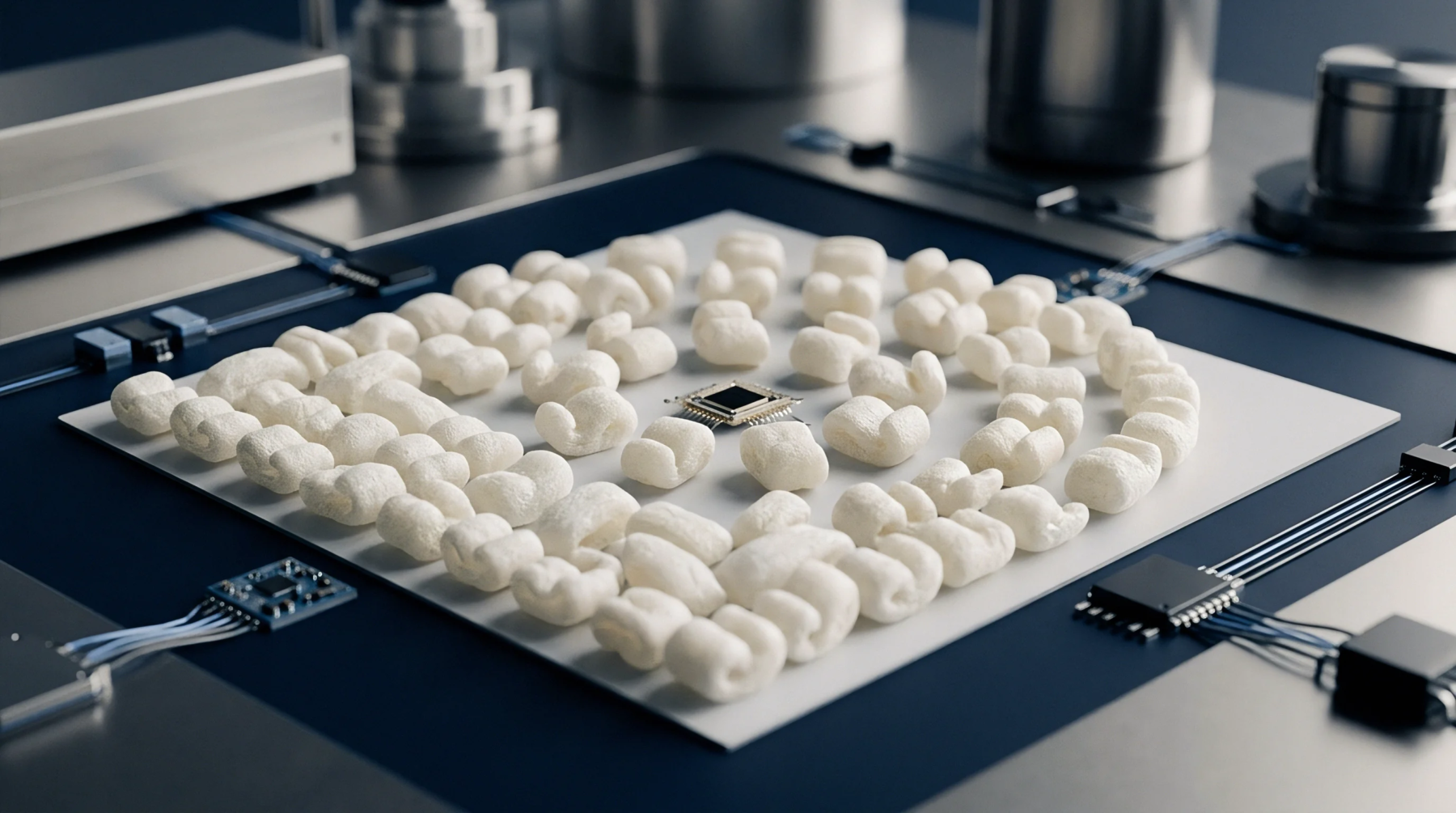
Allowable Exposure
Operational duration limits define the maximum allowable cumulative time a moisture-sensitive semiconductor device may remain exposed to ambient factory conditions after undergoing high-temperature baking before board assembly. Following this thermal process, baked package floor life determines the safe window during which surface mount components can undergo reflow soldering without risking internal delamination or package cracking caused by entrapped atmospheric moisture. The parameter governs parts classified under standard moisture sensitivity levels once removed from dry storage or bake ovens, terminating immediately when the component enters the reflow furnace or when ambient exposure time exceeds the specified threshold.
Moisture Recovery
Atmospheric humidity gradually diffuses into plastic mold compounds once active heating ends and ambient cooling completes. Standard factory conditions of thirty degrees Celsius and sixty percent relative humidity drive moisture absorption back into dry polymeric resins at predictable rates. Extended exposure allows accumulated water molecules to concentrate at internal material interfaces such as die pads and leadframe surfaces.
During reflow soldering, rapid thermal expansion of this absorbed water creates vapor pressure exceeding the mechanical shear strength of the package interface.
Outtime Limit
Exceeding the allocated duration requires immediate floor action to prevent popcorning defects during assembly. Operators must return affected components to a dedicated drying oven to reset the internal moisture concentration before mounting. Failure to track ambient exposure time directly correlates with latent package fracturing and wire bond separation during thermal stress testing.