Thermal Distribution
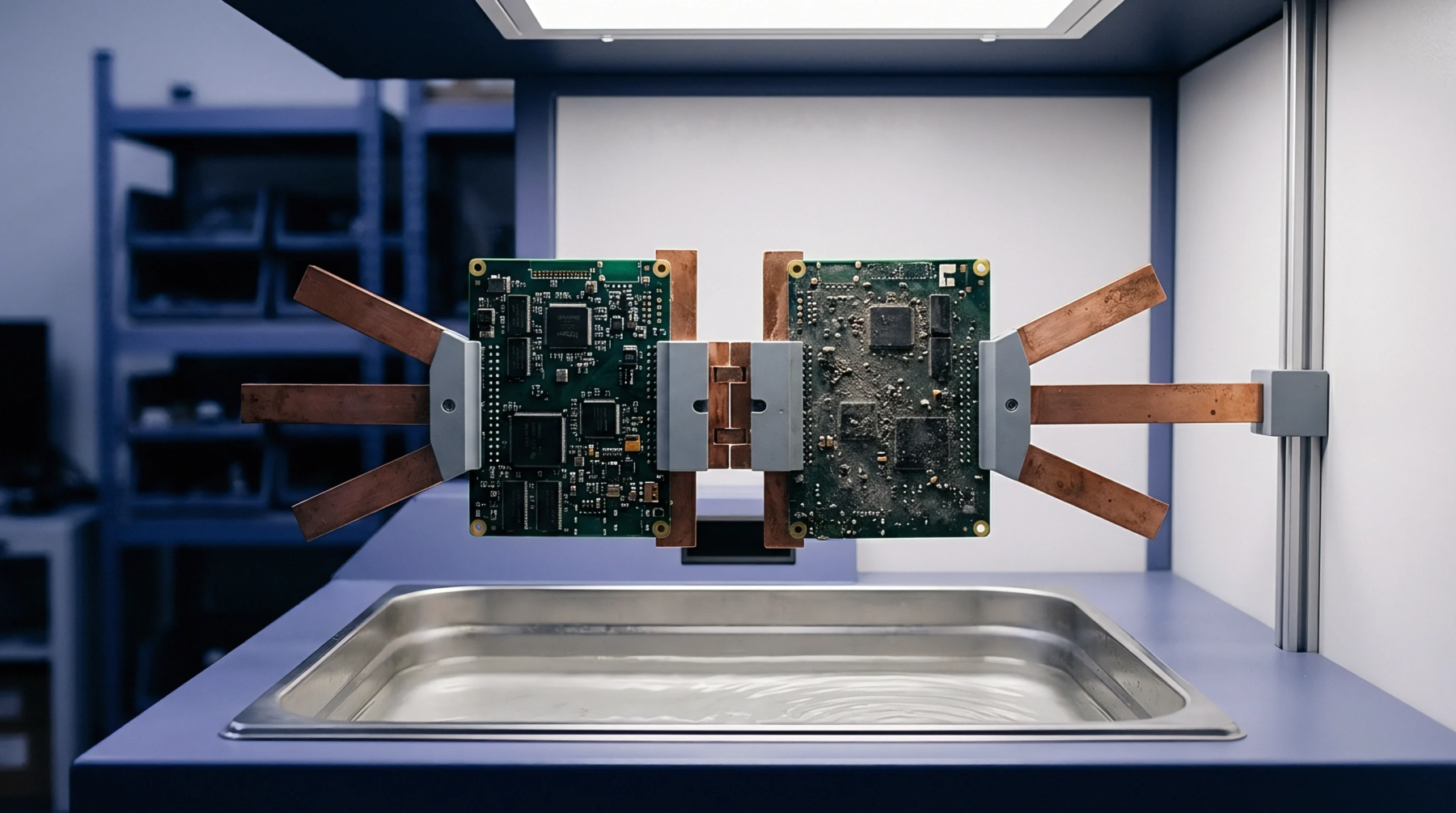
Non-uniform distribution of alloying elements during the solidification of lead-free solder alloys occurs when low-melting phases remain liquid longer than the surrounding metal matrix. This phenomenon, known as bismuth segregation, occurs as the alloy cools and the bismuth concentrates in liquid regions until it solidifies at the grain boundaries. Thermal gradients within the joint cause this migration to happen toward the copper pad interface where solidification finishes last.
The resulting concentration of this element in discrete regions reduces the overall metallurgical uniformity of the solder connection.
Failure Mechanism
Structural degradation of solder interconnections occurs when brittle phases form at the boundaries of the grain structure. The presence of bismuth segregation creates a highly localized region of high hardness and low ductility. Impact forces and vibration then trigger cracks that propagate along the enriched zone.
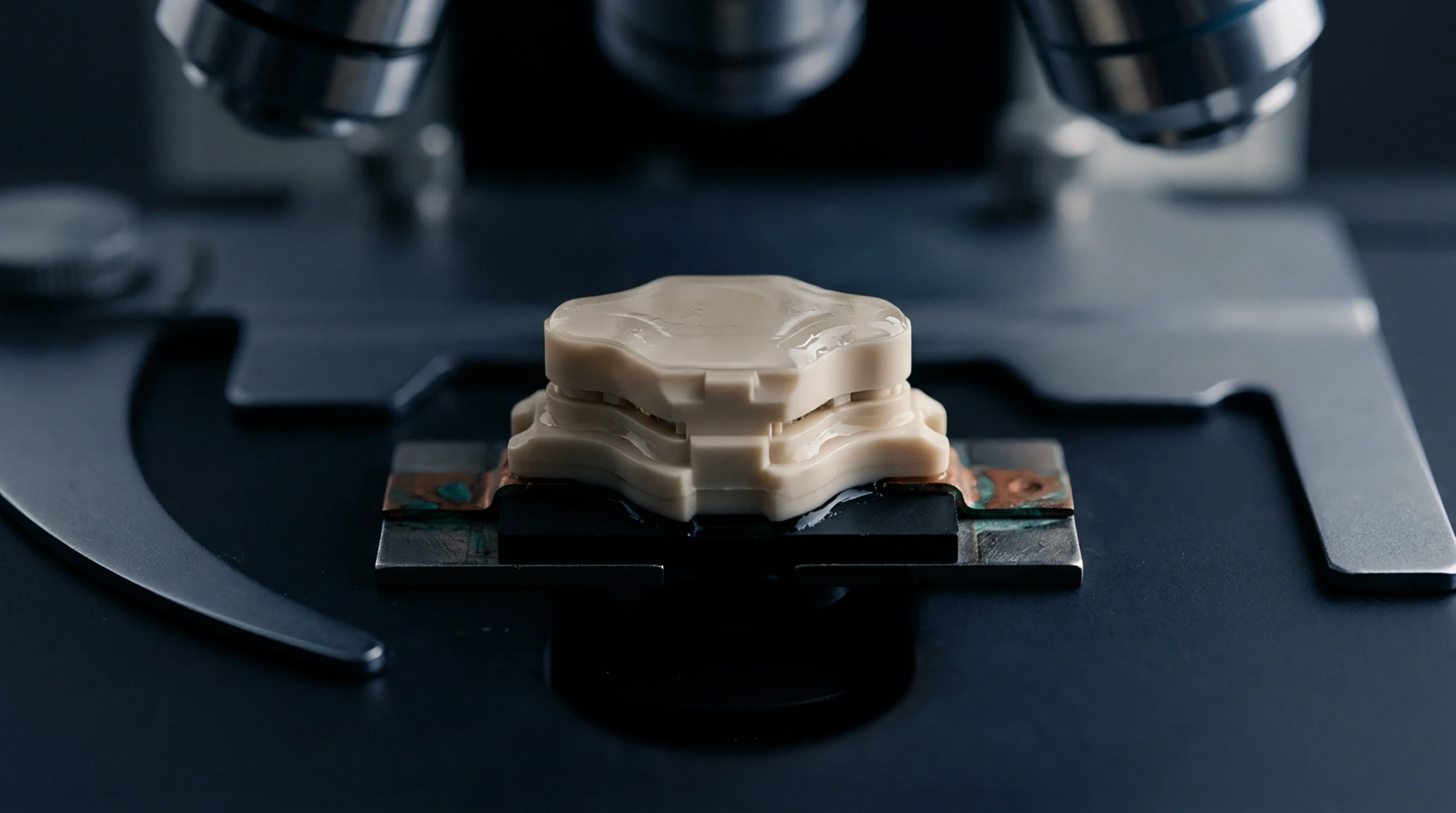
Fillet lifting at the pad interface is the common defect associated with this concentration.
Metallurgical Limit
Inspection criteria for assembly quality define the acceptable boundaries of alloy composition to avoid joint detachment. Excessive concentrations of bismuth segregation are controlled by limiting the alloy combinations allowed in lead-free solder reflow. Quality standards specify cross-sectional analysis using electron microscopy to verify phase distribution.
Correct alloy selection prevents the formation of brittle layers.