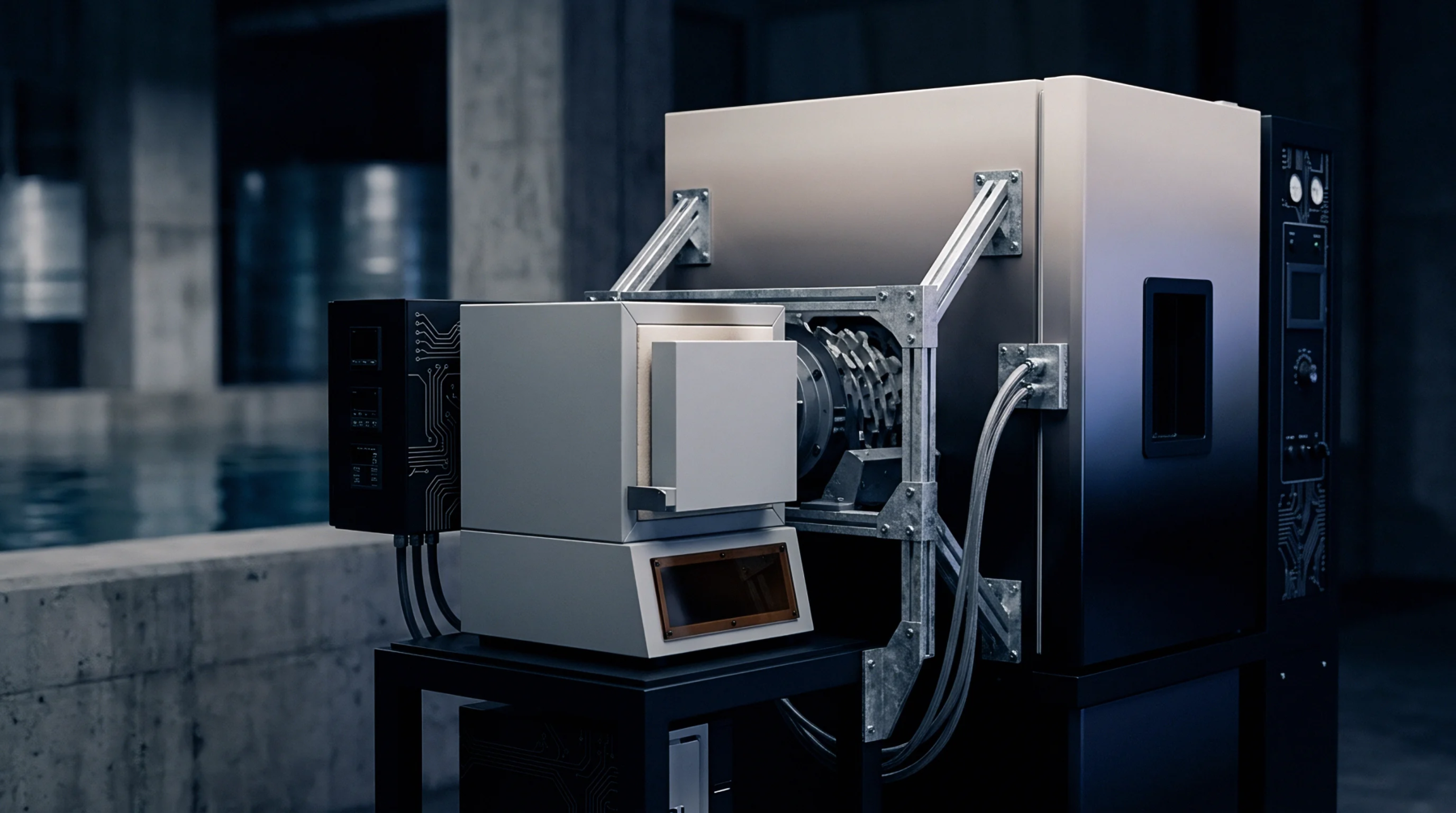
Fixture Support
Fixed plates within an ICT fixture provide structural rigidity to circuit boards during mechanical probing. A clamshell press bed distributes downward force across the surface of a loaded assembly to maintain consistent contact between test pins and copper landing pads. This mechanical arrangement mitigates component flexure while ensuring that electrical continuity checks remain stable throughout the duration of the testing cycle.
Contact Alignment
Precision requirements dictate the vertical travel of these plates during the compression phase of a test run. The clamshell press bed prevents board warping when pneumatic cylinders apply load to the fixture pins. High pin counts demand uniform pressure distribution because localized stress concentrations risk fracturing solder joints or damaging fragile surface mount devices located near the board edge.
Proper alignment of the top and bottom plates keeps the board orientation orthogonal to the probe field during the compression stroke.
Operational Variance
Variations in assembly density determine the force thresholds necessary for reliable probe engagement. Lightweight boards require lower compression settings to avoid structural deformation of the substrate while thicker panels with high copper density necessitate higher pressure to overcome friction. Calibration of the clamshell press bed relies on the mechanical impedance of the target assembly and the total number of test points involved in the electrical scan.
Rigid enforcement of these force constraints preserves the integrity of both the test fixture and the electronic hardware under evaluation.