Remediation Protocol
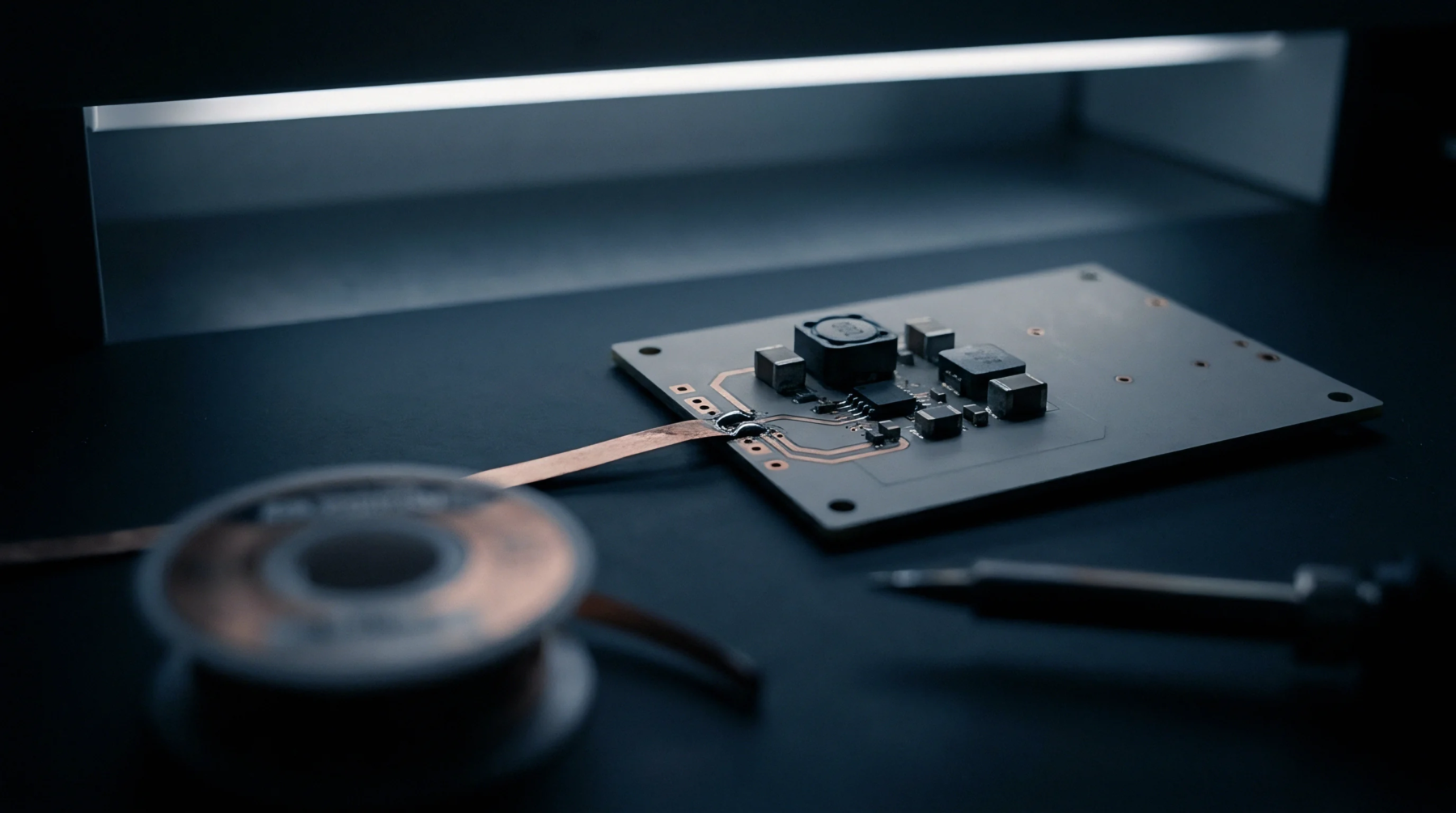
Remediation procedures address defects found in customer-supplied materials during the assembly process. Performing consigned component rework involves the removal and replacement of parts provided by the client rather than the manufacturer. Verification of the replacement part ensures electrical continuity remains intact.
Responsibility Allocation
Financial arrangements for corrective labor depend on whether the defect originated at the assembly house or arrived within the supplied kit. Should a manufacturer identify errors in the original kit during receiving, they often bill the client for any consigned component rework needed to make the materials usable. This specific cost structure prevents the assembly house from absorbing losses caused by external supply chain errors.
Contractual agreements usually define the hourly rate and overhead for such interventions.
Validation Procedure
Automated inspection systems flag deviations in placement that necessitate manual intervention. The operator uses specialized soldering stations to execute consigned component rework without compromising the integrity of the surrounding copper traces or neighboring passive devices. Heat profiles must match the original thermal requirements to prevent substrate delamination.
Every touch-up requires a clean removal of old solder and the application of fresh flux to ensure a metallurgical bond. After finishing the repair, the board undergoes a second pass through automated optical inspection.