Strain Sensor
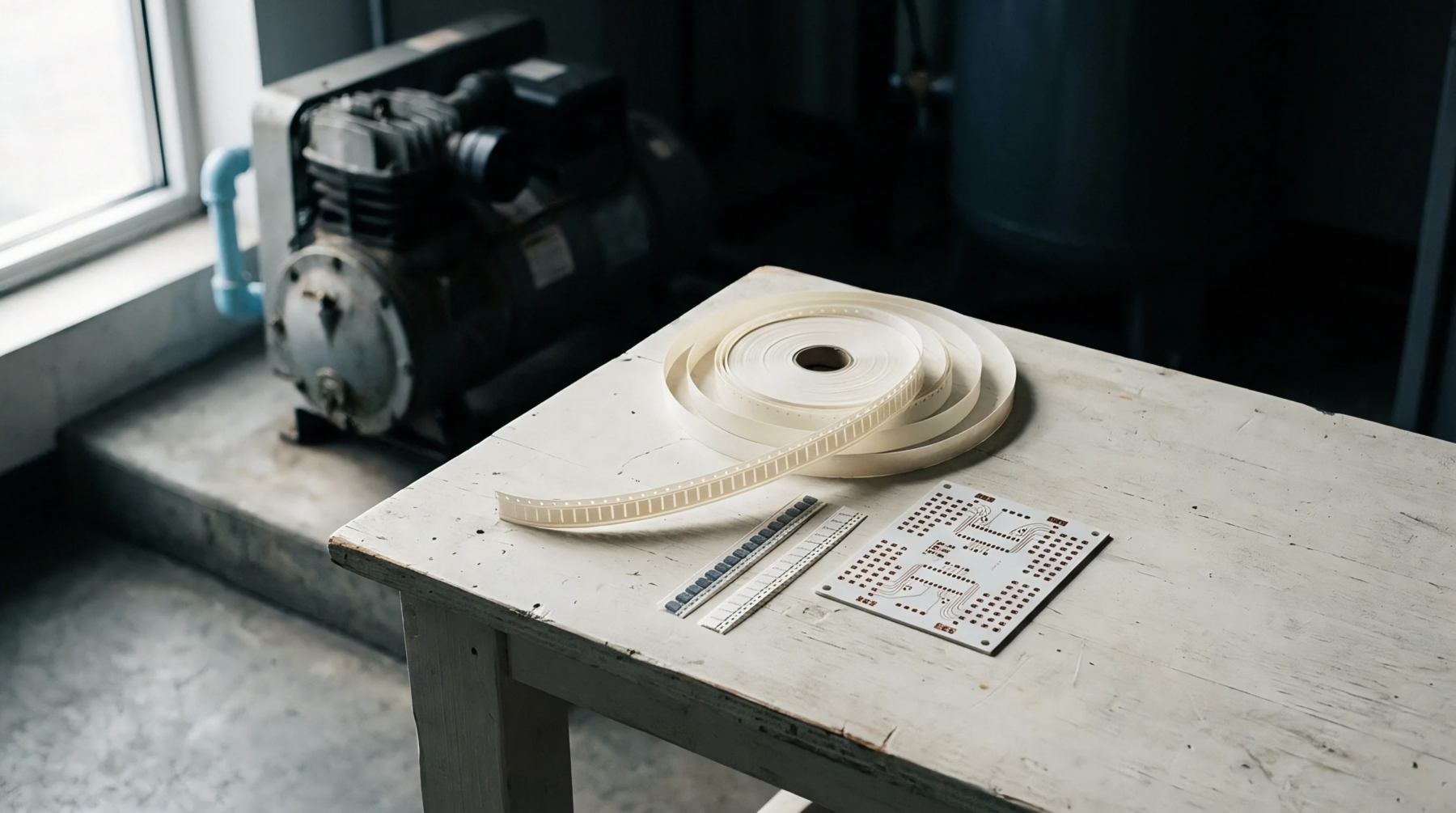
Foil strain gauges utilizing copper nickel alloy grids measure the mechanical deformation of printed circuit boards during assembly processes. The constantan grid pattern provides a linear response to applied tension and compression across a wide temperature range. It registers surface strain by changing its electrical resistance as the copper nickel alloy foils stretch or compress under load.
This electrical variation correlates directly with the strain experienced by the board, helping engineers trace assembly line steps that bend the laminate beyond its limits. It operates as the sensing element that protects delicate ceramic capacitors from stress fractures during manual handling.
Thermal Stability
Temperature fluctuations during mechanical testing of electronic assemblies introduce thermal strain that can distort measurement data. The low temperature coefficient of constantan grid sensors minimizes resistance changes caused by temperature changes alone, ensuring that the measured signal represents only mechanical forces. This behavior permits accurate testing during solder reflow, thermal shock, and heat cycling without requiring complex mathematical corrections for temperature.
Surface Integration
Adhesive bonding of sensor elements to populated circuit boards requires precise placement near critical components. Technicians apply a constantan grid gauge close to large ball grid arrays to monitor stress during board flexure. High strain levels can crack solder joints, so the sensor provides feedback to adjust assembly tool pressure.