Structural Stabilization
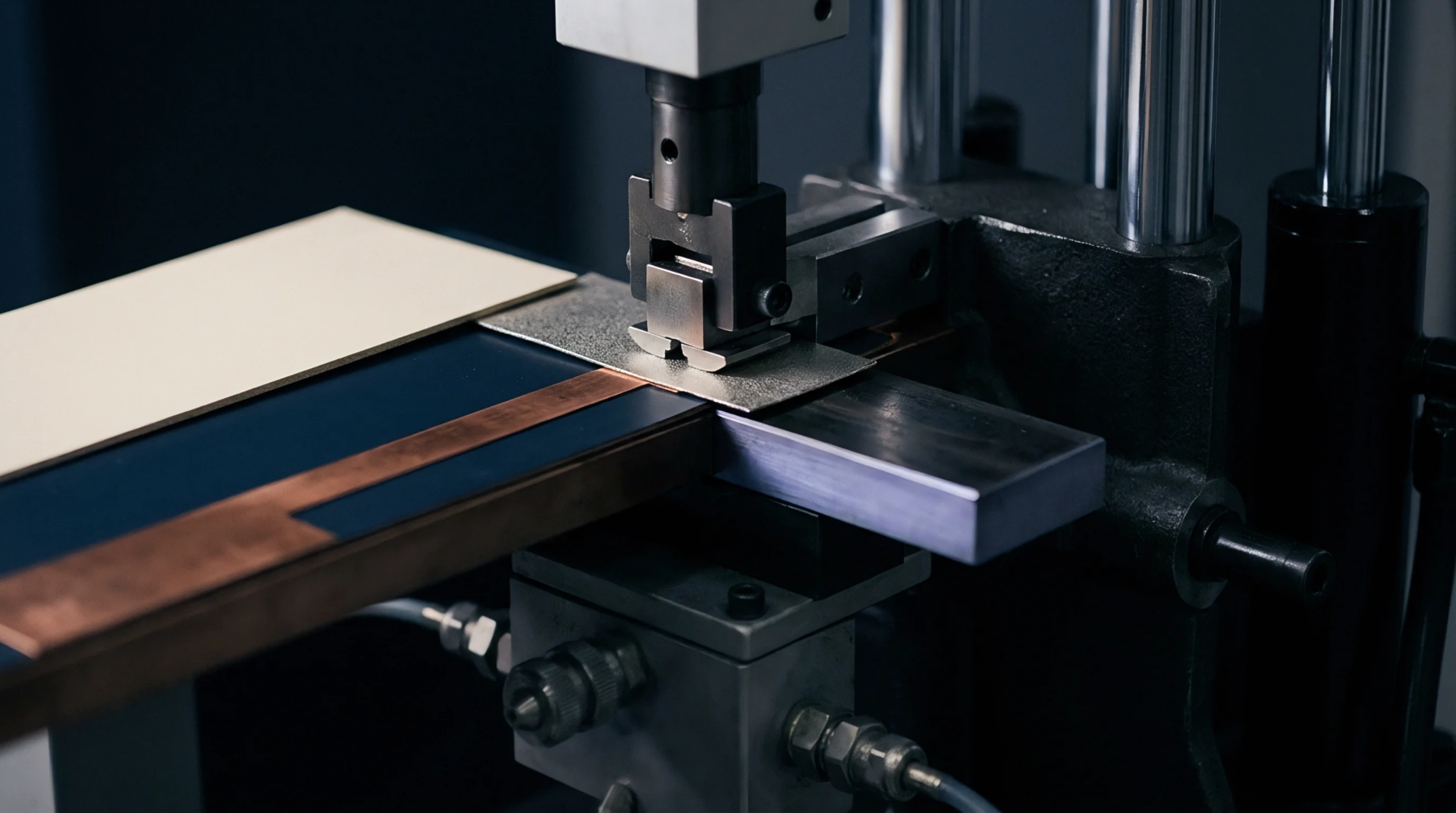
Rigid mechanical interference during the print screen operation prevents substrate deflection across the entire stencil aperture span to ensure consistent paste volume deposition. Continuous board support utilizes adjustable pins or dedicated tooling blocks that remain fixed against the underside of the panel throughout the cycle. The underside contact area occupies the clearance space between active components to avoid pressure on soldered joints.
Variations in material thickness or heavy component placement alter the required grid density for these supports. Stiffeners distribute force across the assembly to maintain planarity under the force of the squeegee. Flat surfaces prevent misalignment during the transfer of solder paste onto pads.
Placement Tolerance
High volume production equipment relies on active pressure regulation to maintain the gap between the stencil and the printed circuit board. Precise vertical tension stops the board from bowing under the pressure of the squeegee blades. If the panel experiences downward movement, the volume of paste deposited in the apertures drops below the required threshold for small pitch footprints.
Sensors monitor the force applied by the support pins to confirm contact without damaging the traces or underlying copper features on the bottom layer. Mechanical interference during this phase leads to bridging or open circuits that require rework or disposal. Reliable clamping methods account for the varying topography of double sided assemblies by using non conductive fixtures.
These fixtures allow for clearance of existing components while providing localized rigidity exactly where the stencil meets the copper pads. Consistent contact pressure minimizes the variance in stencil release properties.
Performance Expectation
Secondary surface features such as vias or buried traces suffer from irregular stress when the board flexes during screen printing. Effective support configurations eliminate the risk of cracking for brittle ceramic capacitors located near the center of the panel. Standard fabrication tolerances dictate that the support density scales with the thinness of the laminate to prevent fatigue.
Proper calibration of these tools governs the yield rate for high density interconnection technologies. Sustained contact between the fixture and the board surface provides the necessary condition for stable printing outcomes.