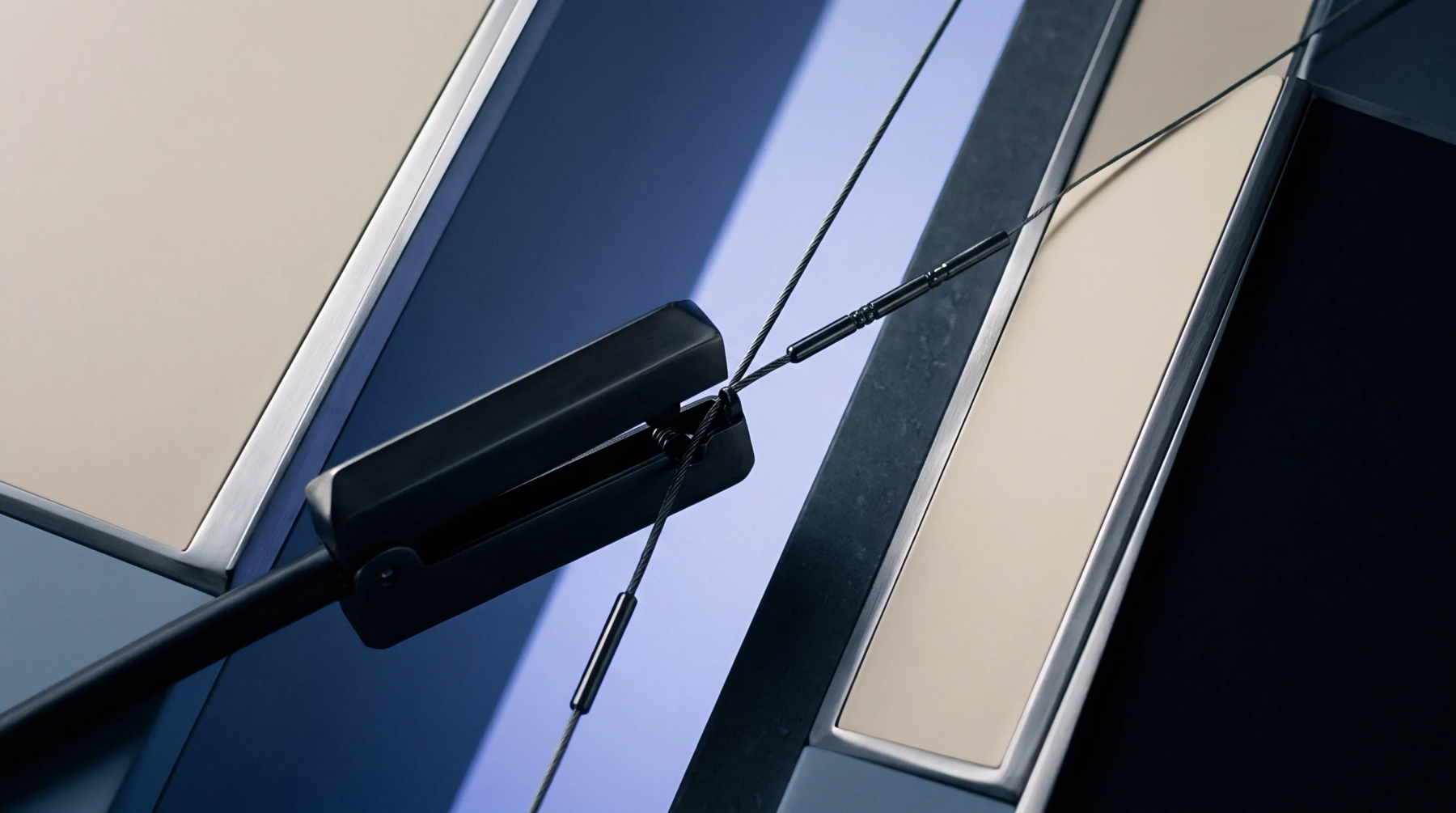
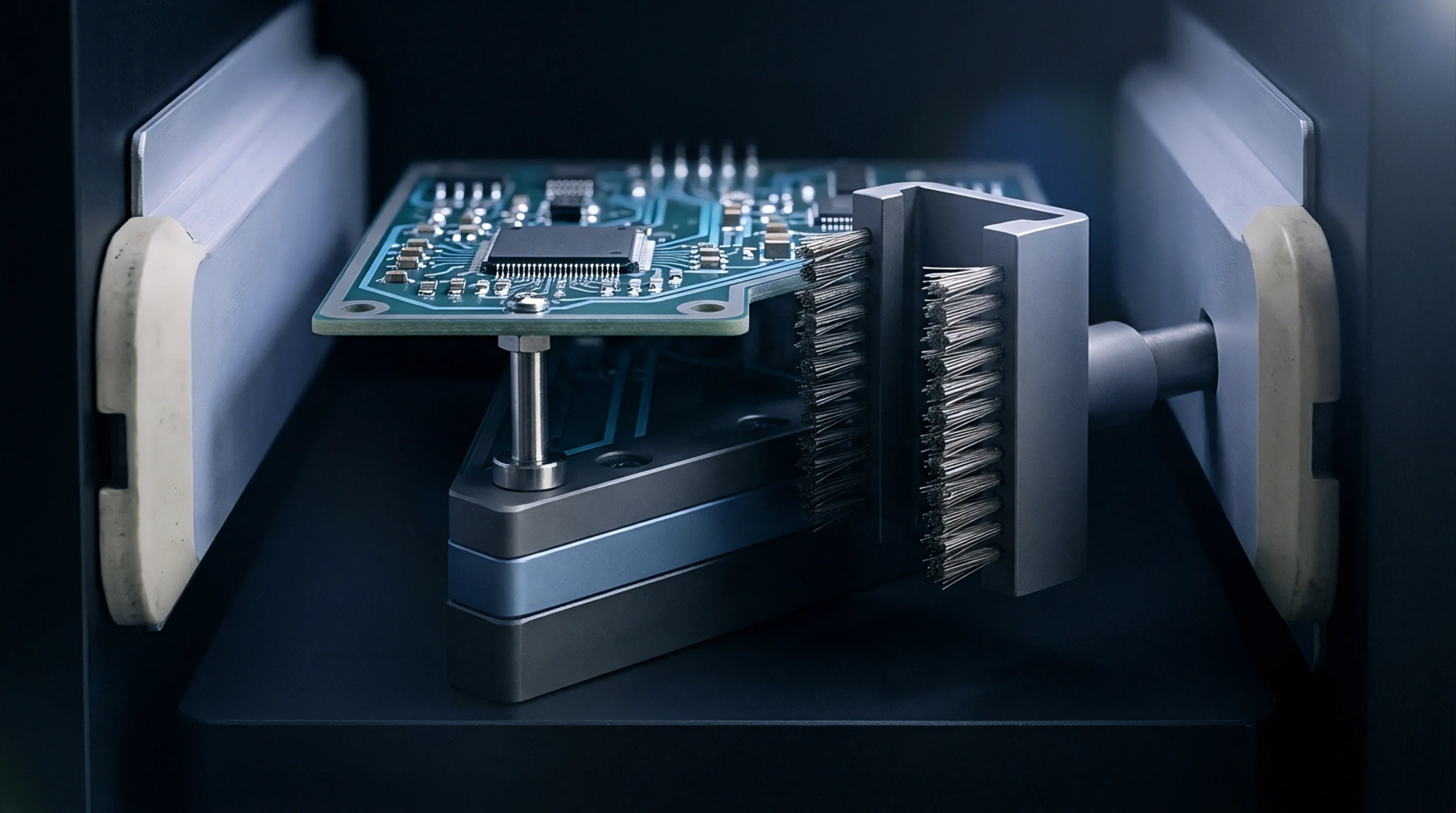
Failure Mechanism
A destructive failure mode in electronic solder joints occurs from the combined action of constant static load and repeated temperature fluctuations. This interaction, known as creep fatigue, accelerates crack initiation and propagation through the solder microstructure. Solder alloys in high-temperature environments are particularly vulnerable to this cumulative degradation.
Stress Profile
Severe operating cycles impose thermal expansion mismatch and sustained mechanical weight on the electrical connections. Under these conditions, the solder material undergoes slow deformation over time while simultaneously accumulating microstructural damage from cyclic loads. Lead-free assemblies often experience grain boundary sliding and vacancy coalescence at elevated temperatures.
These microscopic voids eventually merge into macroscopic cracks that sever the electrical path. Mechanical support structures are often integrated into the printed circuit board assembly to reduce the weight carried directly by the solder joints.
Material Performance
Design engineers select specific solder compositions and joint geometries to minimize the rate of deformation under load. Incorporating dopants such as bismuth or nickel improves the grain structure stability in harsh environments. Accelerated life testing applies both thermal cycles and constant stress to evaluate the longevity of the interconnects.
This testing validates the physical reliability of the system under long term operating conditions.