Statutory Assurance
Fabrication facilities produce a legally binding statement of compliance known as a declaration of conformity when finished printed circuit board assemblies leave the final test station. This formal documentation verifies that manufactured hardware meets specific safety limits, electromagnetic compatibility thresholds and restricted substance limits demanded by regulatory jurisdictions. Production engineers compile testing records, schematic versions and bill of materials revisions into a technical file before signing the legal document.
Jurisdiction boundaries apply at the border of the importing economic zone, where domestic authorities demand this proof of conformity prior to commercial distribution.
Compliance Verification
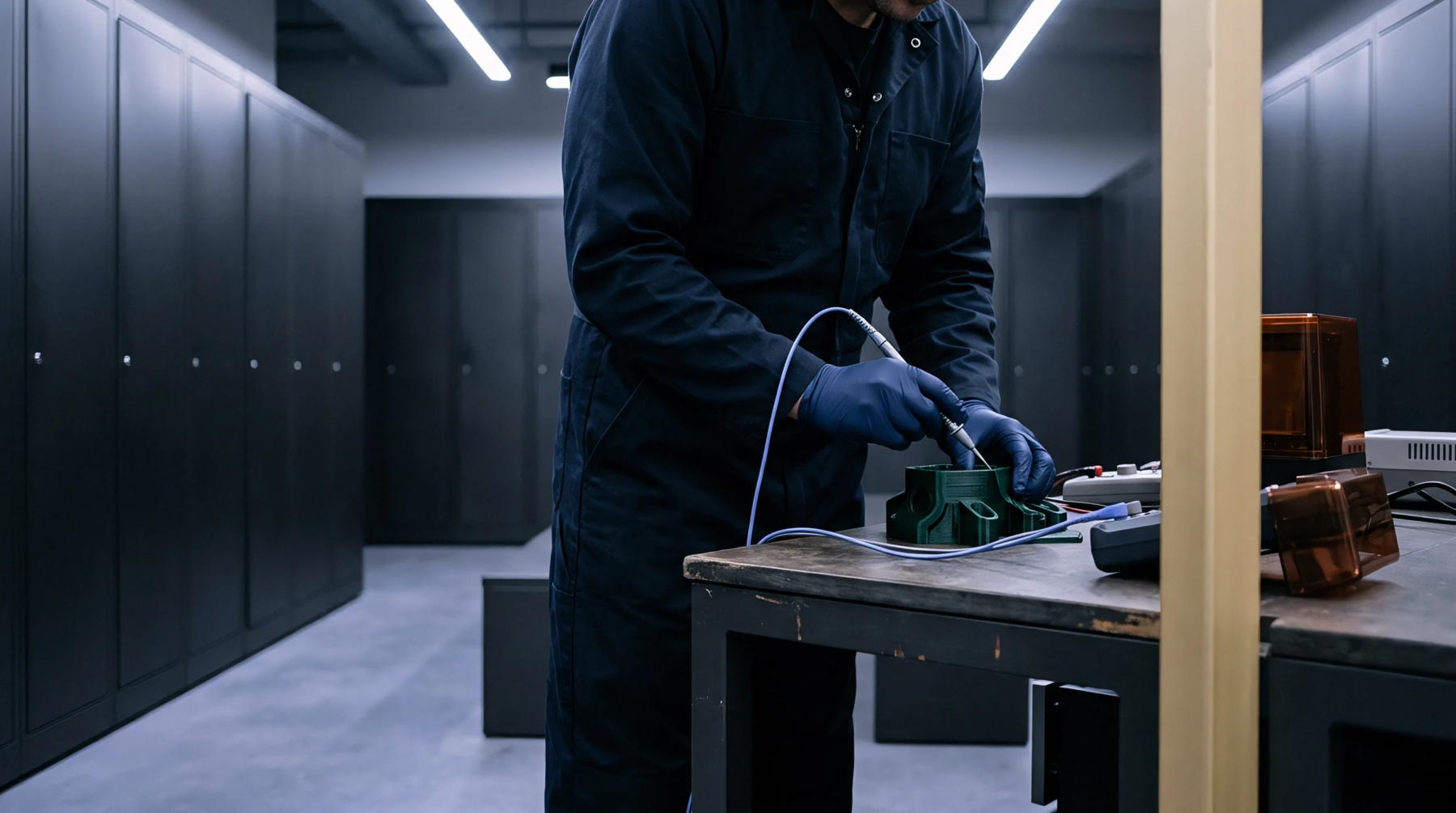
Automated optical inspection and flying probe testing generate numerical resistance measurements, capacitance values and solder joint coordinates that populate the verification database. Technicians record thermal cycling results and functional test logs to confirm that assembled electronic components operate correctly under electrical stress. Defect rates from solder bridging or component misplacement must fall below predetermined thresholds before quality inspectors approve the production batch.
Component substitution or process modification invalidates the existing technical file, requiring an updated conformity evaluation and a revised document signature. Market surveillance authorities audit these technical files periodically by requesting proof of testing from the manufacturer or importer of record.
Regulatory Liability
Executive management assumes personal and corporate liability for commercial shipments when signing the legal assurance document without complete underlying verification data. Penalties for submitting false compliance claims include severe financial fines, mandatory product recalls and immediate prohibition of sales across the affected regional market. Importers sharing the supply chain must obtain authenticated copies of the compliance documentation from overseas contract manufacturers before placing branded hardware onto shelves.
Legal responsibility transfers from the original assembler to the commercial distributor if the latter modifies the printed circuit board assembly or changes the enclosure design after initial import. Proper archival of technical records ensures traceability throughout the expected lifecycle of the deployed electronic hardware.