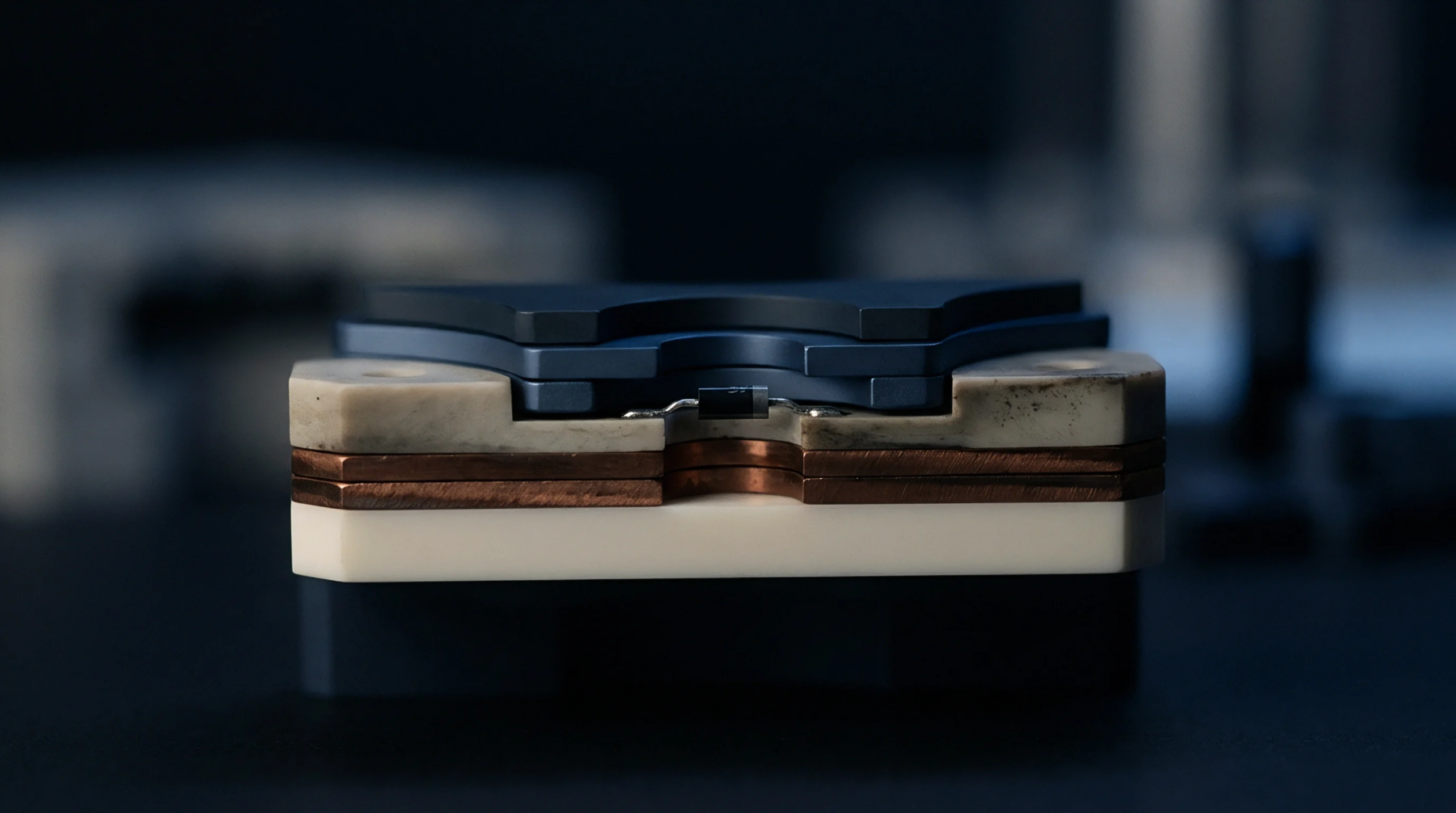
Fillet Formation
Solder flow onto the top side copper pad of a plated through hole indicates the completion of a vertical interconnect. Proper destination land wetting occurs when the molten solder exits the hole and spreads across the annular ring to form a concave fillet. Bonds form quickly.
This event signifies that the heat and flux have prepared the entire barrel for a reliable metallurgical bond.
Thermal Transfer
Heat must penetrate the entire thickness of the circuit board to allow the liquid alloy to bond with the destination land wetting surface. If the component lead or the board acts as a thermal mass, the solder might reach the top but fail to spread. This condition creates a cold solder joint where the metal simply sits on top of the pad without forming an intermetallic layer.
Proper thermal profiling ensures that the top side of the board reaches the necessary wetting temperature before the solder wave reaches the end of the contact zone.
Inspection Standard
Automated optical inspection systems look for the presence of a smooth shiny fillet around the lead on the component side of the board. A lack of destination land wetting often points to problems with the flux application or an imbalance in the preheat cycle of the soldering machine. For Class 3 electronics, the solder must cover at least 270 degrees of the land circumference to meet the highest reliability standards.