Thermal Boundary Layer
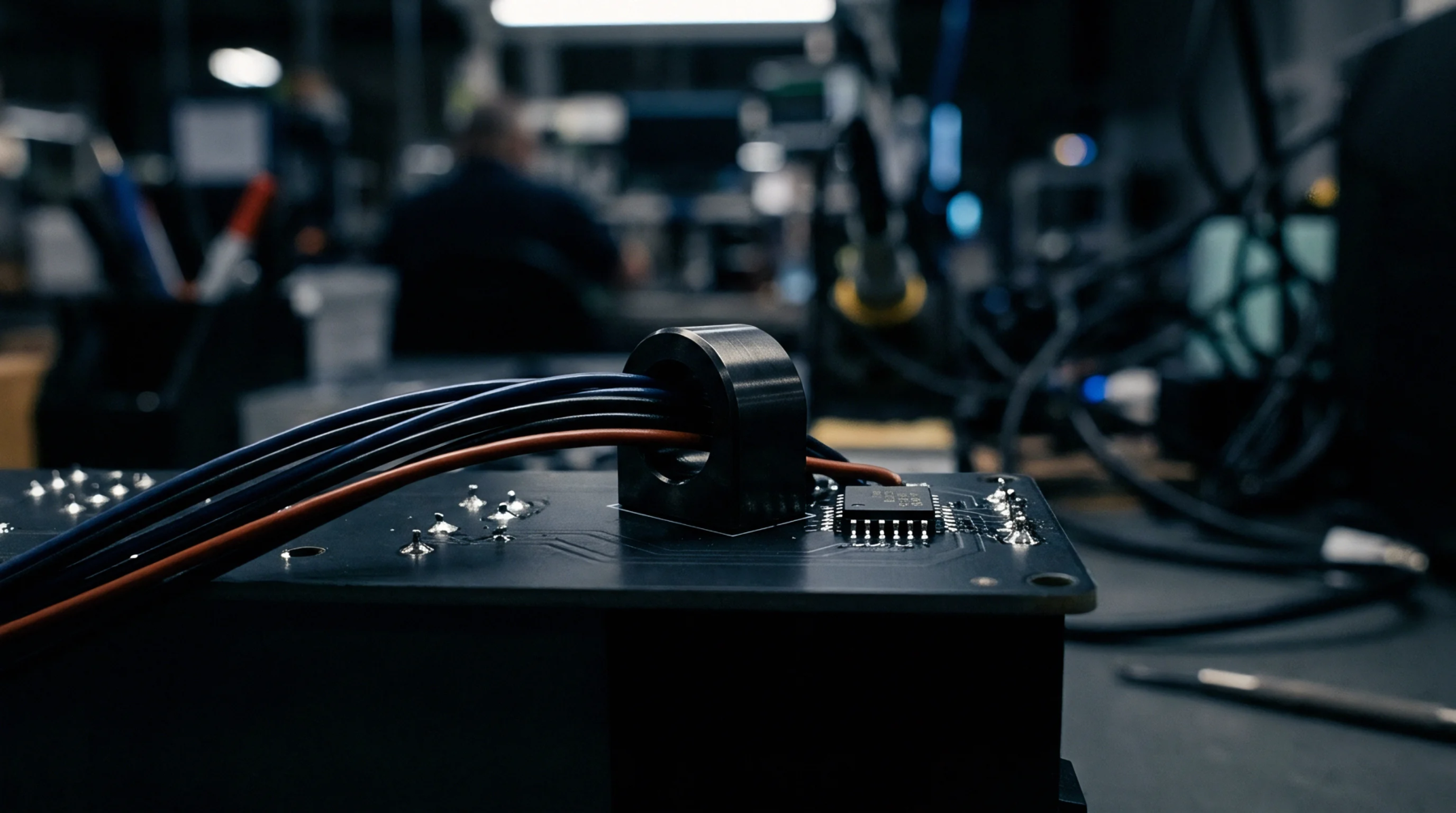
Excessive localized heat input during reflow soldering or laser wire stripping creates breakdown within insulating substrates. This specific degradation mechanism alters the electrical resistivity of printed circuit board laminates by fracturing polymer chains inside the resin matrix. High voltage testing reveals excessive leakage currents when microscopic fissures allow moisture ingress along weakened fibre paths.
Production lines prevent such failures by controlling dwell times and peak temperatures during surface mount attachment.
Voltage Threshold
Operating envelopes collapse permanently once localized insulation breakdowns breach the minimum spacing requirements between conductive traces. Dielectric damage manifests as permanent carbon tracks bridging adjacent copper planes under operational potentials. Automated optical inspection systems fail to detect internal micro-voids, so high potential dielectric withstanding voltage screening remains mandatory for Class three assemblies.
Engineering teams establish acceptance criteria by measuring current leakage spikes during routine production testing.
Insulation Resistance
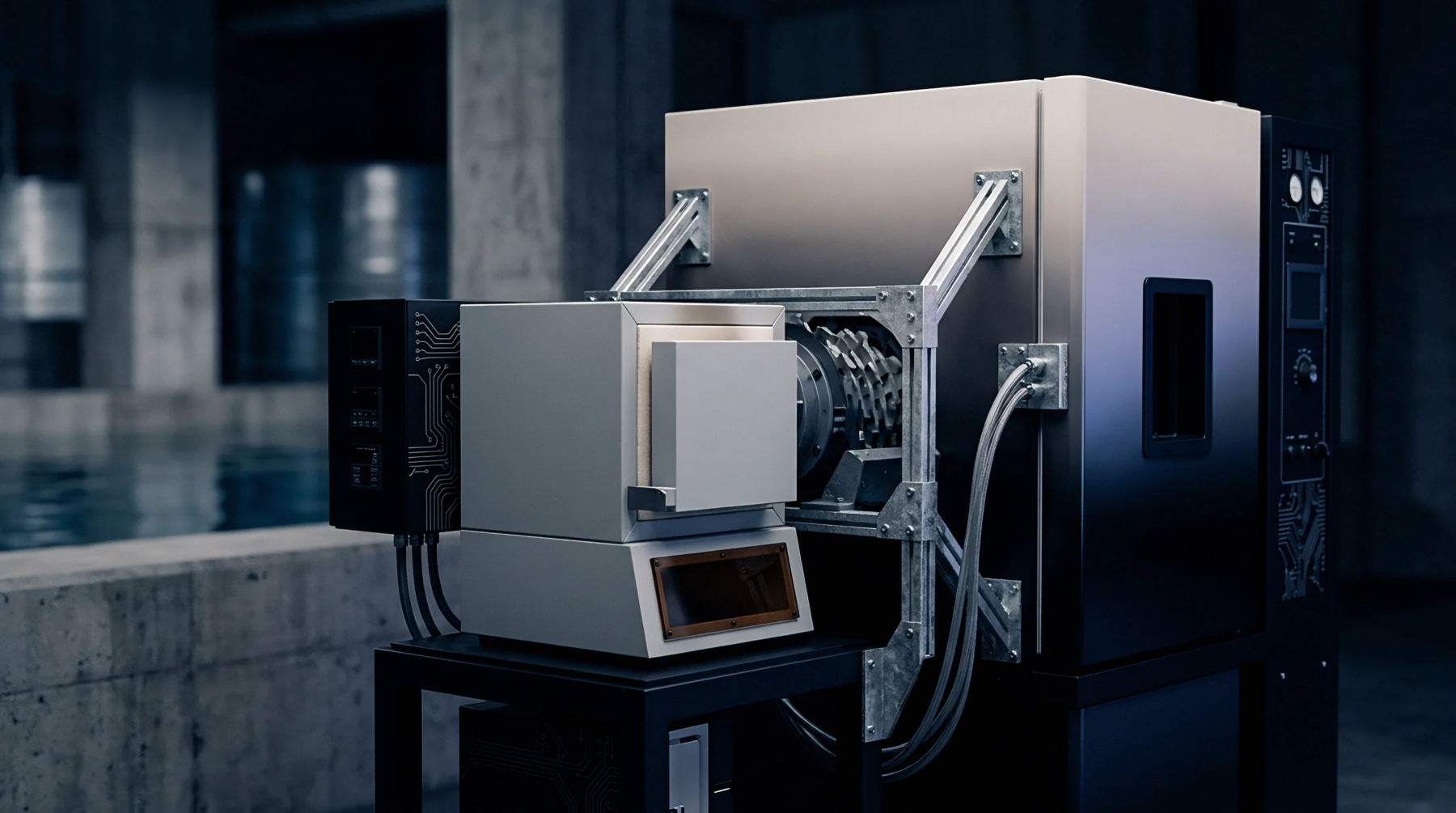
Electrical safety margins degrade measurably following thermal or mechanical stress applied during component insertion. Moisture absorption accelerates subsequent electrochemical migration across damaged substrate sections, leading to catastrophic short circuits in finished assemblies. Quality auditors verify laminate integrity through destructive cross-sectioning and micro-section analysis after environmental conditioning.
Accelerated life testing confirms that damaged insulation systems cannot sustain rated operating voltages over prolonged operational deployments.