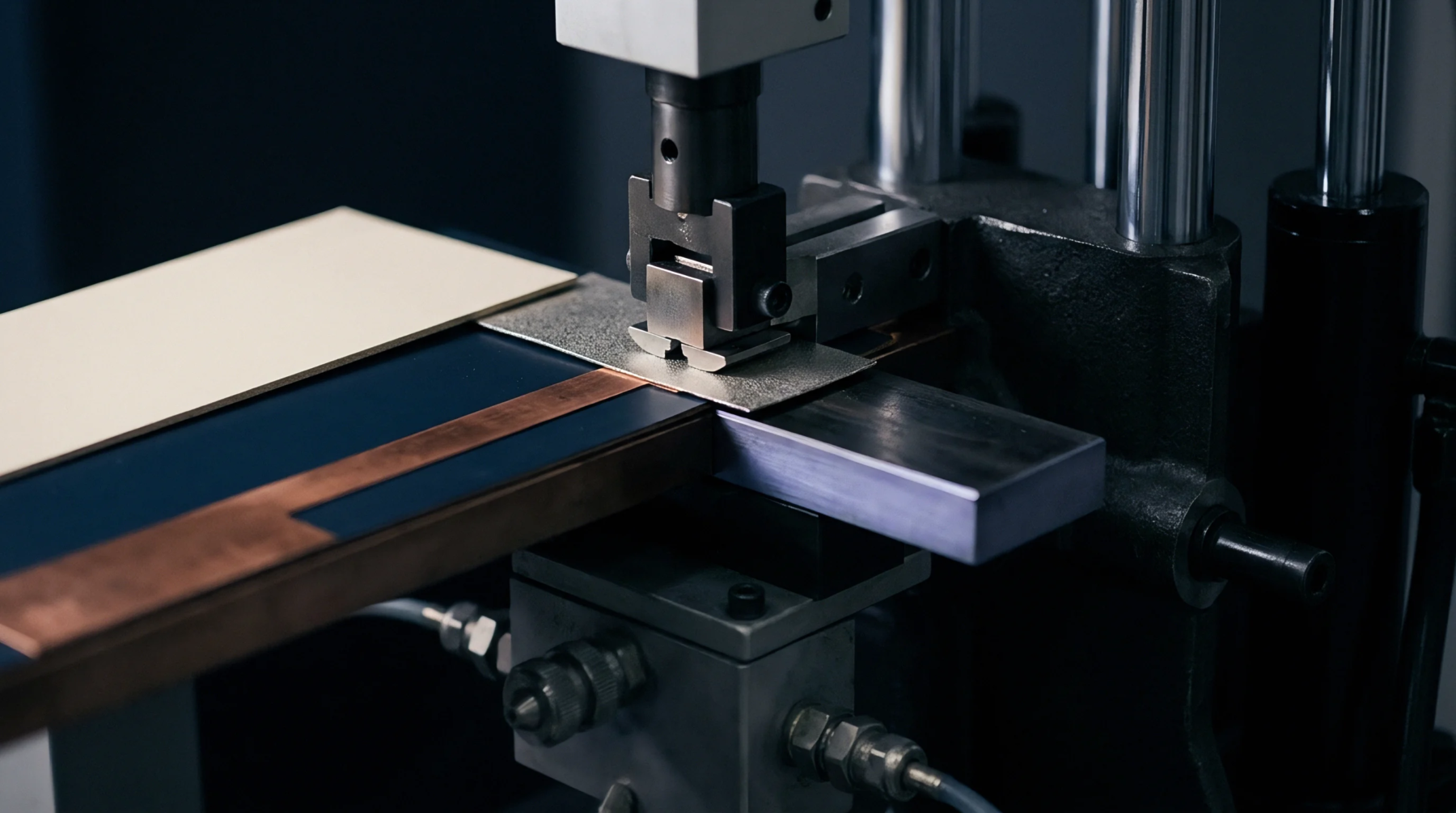
Immersion Mechanism
Static thermal contact with a stationary reservoir of molten alloy provides the thermal energy and liquid metal required to form metallurgical bonds across exposed circuit surfaces. In manual and semi-automated assembly, dip soldering submerges fluxed circuit assemblies or lead terminations into a heated bath for a controlled dwell time. The liquid solder wicks into plated through-holes and wets exposed copper pads simultaneously.
Surface tension governs alloy distribution across the component leads and planar laminates. Excessive immersion duration promotes the dissolution of base copper and accelerates intermetallic compound growth at the boundary interface. Oxides must be skimmed from the bath surface immediately before insertion to prevent dross transfer onto the circuit board.
The sequence concludes as mechanical fixtures withdraw the assembly at a steady velocity to permit uniform drainage.
Process Boundary
Wave processing and selective fountain systems superseded batch immersion across mass manufacturing lines because static molten baths lack dynamic hydrodynamic pressure. Without an active solder wave, dip soldering struggles to evacuate process gases from dense through-hole arrays, which increases the occurrence of gas entrapment voids. Large thermal masses chill the quiescent alloy locally, generating localized cold joints unless operators extend dwell periods beyond safe component tolerances.
Conformal pallet apertures limit molten contact exclusively to targeted connector fields while shielding nearby surface-mount parts.
Defect Morphology
Rapid vertical withdrawal from a quiescent bath prevents clean capillary separation, leaving excess metal on projecting pins. Such geometric distortion produces solder bridges between adjacent circuit pitches or leaves sharp alloy extensions protruding beyond allowable envelope boundaries. Visual inspection under IPC-A-610 criteria classifies these unintended conductive paths as non-conforming conditions requiring manual rework.
Solder purity tests track copper and gold contamination within the static crucible to prevent brittle joint failure. Controlled withdrawal angles reduce bridge formation by allowing gravity to overcome meniscus adhesion.