Actuator Physics
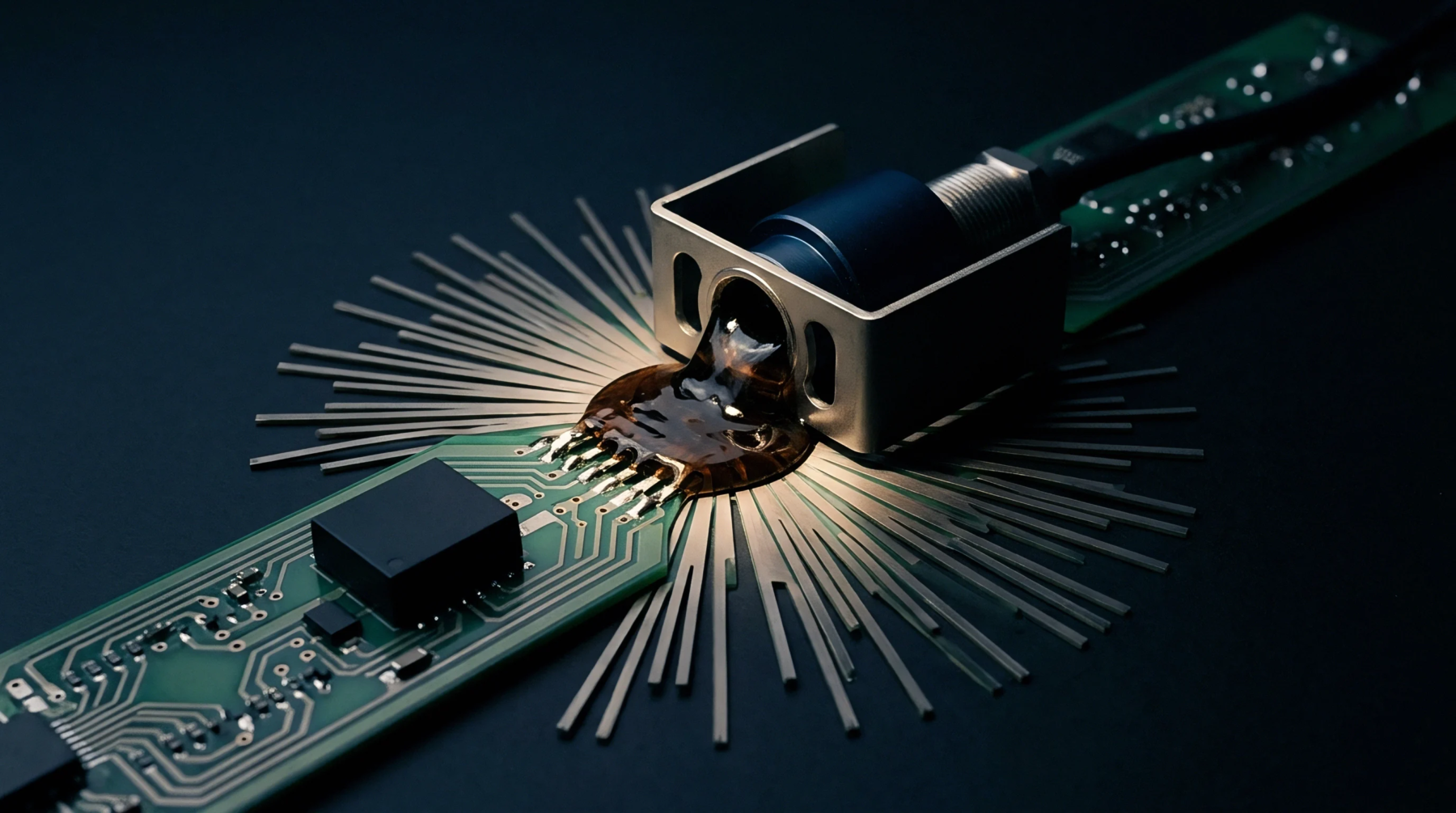
Electromagnetic force generation without intervening mechanical reduction mechanisms provides high-acceleration propulsion for automated electronics manufacturing axes. Platforms equipped with direct drive linear motors convert electric current directly into rectilinear thrust using permanent magnet tracks and copper coil assemblies. Mechanical backlash and compliance inherent to belts or ball screws are completely eliminated from the motion train.
The actuator achieves high velocity and sub-micron positioning repeatability across extended duty cycles.
Thermal Management
Direct coil excitation generates concentrated ohmic losses directly on the motion carriage or stationary machine platen. Unmanaged heat dissipation from direct drive linear motors induces localized structural expansion across the mechanical chassis, shifting guide rails out of parallel alignment and biasing optical encoder scales. Pick and place systems mitigate these thermal excursions by circulating chilled liquid through dedicated cooling jackets sandwiched against the stator winding packs.
Ironless motor designs eliminate attractive magnetic normal forces between coil and magnet track, decreasing bearing friction and reducing baseline heat generation at the cost of lower peak thrust output. Temperature feedback loops monitor motor thermistors continuously, throttling drive power whenever continuous duty cycles exceed safe thermodynamic thresholds. Thermal isolation barriers positioned between motor mounts and measurement frames shield the metrology loop from structural warping.
Dynamic Acceptance
Laser Doppler vibrometry and step-response profiling evaluate velocity stability and settling performance across repetitive pick cycles. High acceleration rates delivered by direct drive linear motors risk exciting structural resonance modes within the machine base or vision gantry. Acceptance criteria specify allowable following error windows during constant-velocity sweeps over printed circuit board inspection panels.
Drive tuning balances proportional and derivative gains to prevent high-frequency servo hunting over stationary component positions.