Sequential Qualification
Verification cycles for high density circuit boards utilize dual stage testing to isolate defects across separate physical platforms. This arrangement allows a manufacturer to validate bare board connectivity on a bed of nails fixture before verifying component functionality during the final assembly stage. The primary goal centers on identifying fabrication faults like open circuits or shorts prior to the commitment of high value silicon.
Such separation prevents the accumulation of rework costs that happen when a faulty substrate receives expensive surface mount devices. Engineers implement this methodology when pad pitch dimensions preclude a single probe pass because the required probe density exceeds the physical space available for spring contact pins.
Inspection Protocol
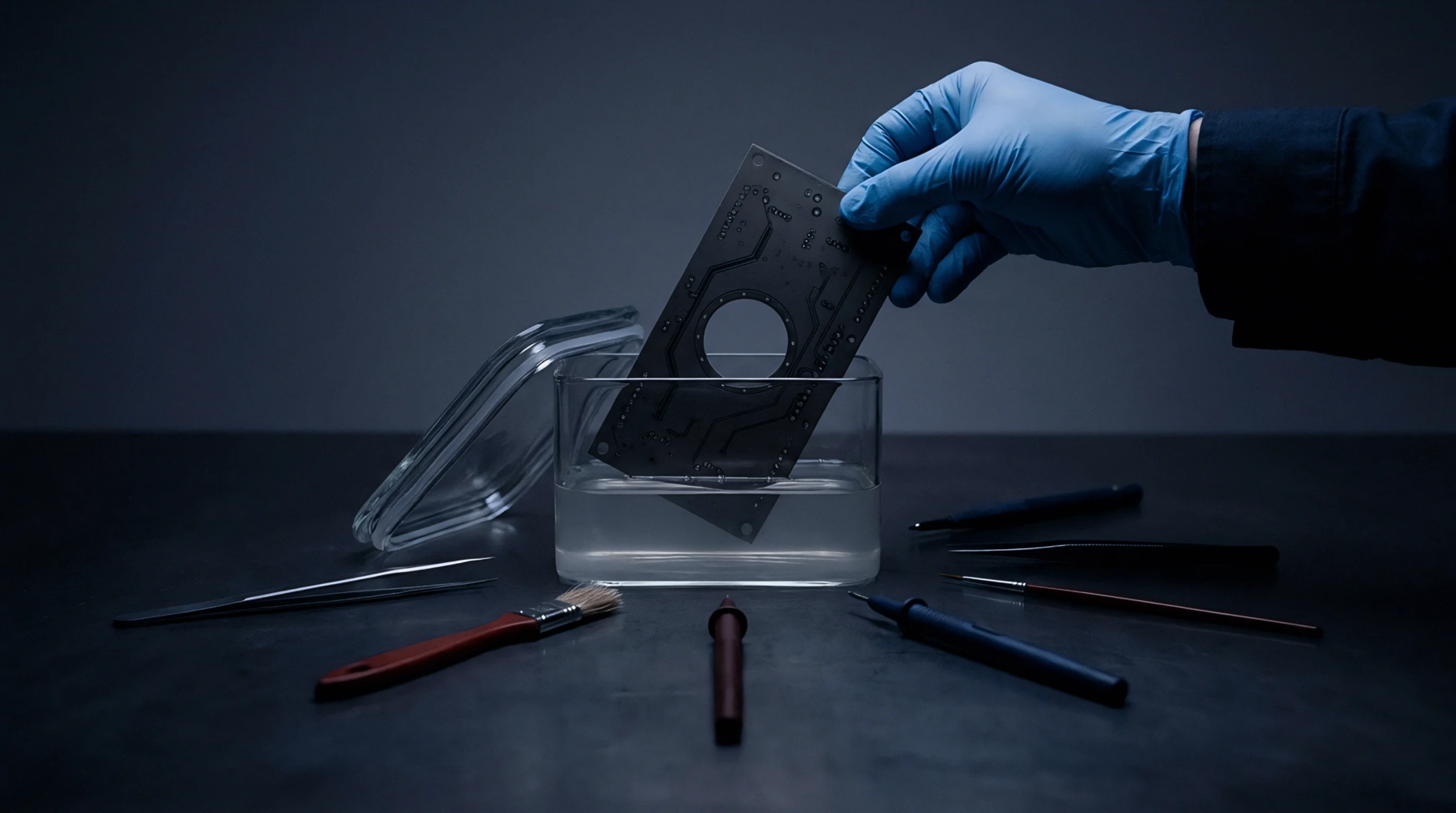
Mechanical contact occurs twice during the production lifecycle to maintain electrical integrity. The first pass evaluates the bare printed circuit board by checking trace continuity against the original design data. If the board passes this assessment, it proceeds to the assembly line where components undergo soldering.
A second fixture then engages the populated board to confirm logic states or power regulation. Each test cycle requires a specific custom fixture tailored to the netlist of the current revision level. Fault detection occurs in the early phase to ensure the underlying copper tracks support the signal requirements of the finalized unit.
Operational Efficiency
Resource management improves because labor time focuses on populated boards only after confirming the foundational integrity of the base material. Faults discovered during the initial phase result in board disposal or repair before any assembly takes place. This approach minimizes the total energy expenditure and chemical usage associated with components that end up on non-functional substrates.
Manufacturers gain statistical control over their yields by separating the variables of fabrication quality from the reliability of the assembly process. High volume lines rely on this systematic partitioning to keep throughput consistent while preventing defective materials from entering the supply chain.