Flexural Endurance
Flexible circuit materials must withstand continuous repetitive bending without experiencing mechanical fracture or electrical isolation loss. This dynamic flex insulation consists of specialized polymer coatings and coverlays designed to flex millions of times in moving assemblies. The formulation relies on ductile resin matrices that resist crack propagation under mechanical cycling.
Fabricators utilize these coatings to maintain dielectric integrity in applications such as disk drives or folding hinges. Selecting these elastomeric materials prevents early copper trace fatigue by dampening the mechanical forces applied to the circuit layer during operation.
Stress Distribution
Bending causes tensile stress on the outer radius and compressive stress on the inner radius of the flexible assembly. The chosen insulation must locate the copper conductor layer near the neutral bend axis to minimize strain during movement. If the material is too stiff, it moves the neutral axis and increases the mechanical burden on the conductive trace.
Fatigue Inspection
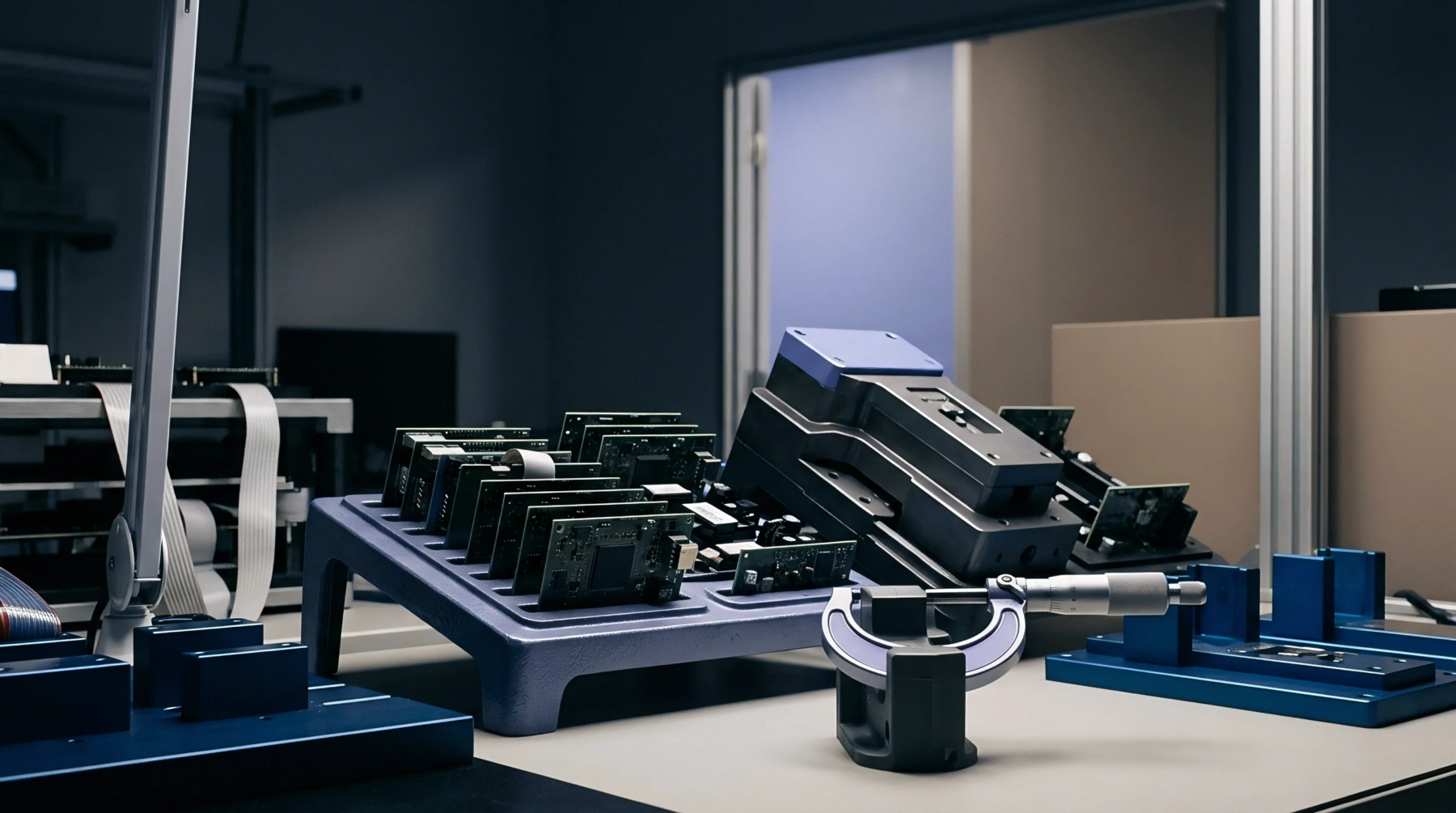
Inspection routines verify the mechanical durability of the coating by using mechanical cycling fixtures that bend the board continuously. Standard procedures check for delamination, fracturing or micro-cracks that would compromise the isolation after millions of cycles. The results define the operational limits of the flex assembly.