Documentation Standard
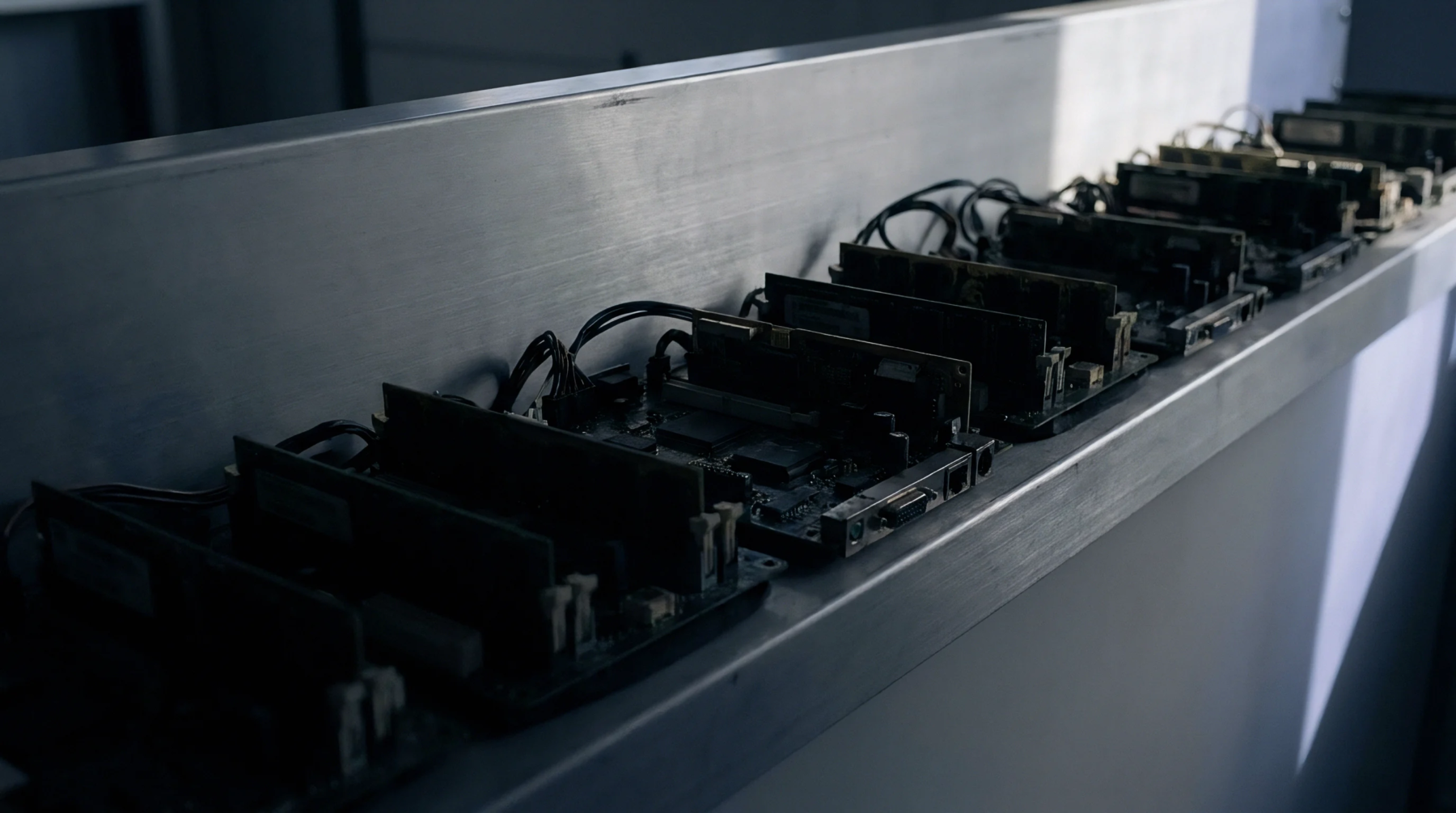
Regulatory verification of EN IEC 63000 compliance requires an organized technical file establishing that printed circuit board assemblies conform to hazardous substance restrictions before commercial distribution begins. Manufacturing facilities generate this proof by collecting supplier declarations and material analysis reports for every homogeneous component soldered onto the circuit carrier. Verification stops where raw material processing ends and final assembly packaging begins, meaning internal factory controls must trace solder alloys and flux formulations back to original smelter lots.
Technical documentation must remain accessible for market surveillance authorities for ten years following product discontinuation. Auditing teams examine material composition records during line clearance procedures to confirm that restricted lead or cadmium thresholds are never exceeded during automated pick and place operations.
Substance Control
Supply chain transparency prevents prohibited elements from entering the surface mount technology soldering process during printed circuit board fabrication. Procurement departments evaluate incoming component lots against specified chemical limits before releasing reels to production lines. Production supervisors quarantine any reel lacking valid conformity declarations until third party laboratory assays verify compliance.
Component engineers maintain approved vendor lists that link specific part numbers to verified material declarations stored in centralized engineering databases.
Audit Verification
Regulatory enforcement agencies inspect technical files during random market surveillance actions to confirm that assembled electronics meet statutory safety thresholds. Quality managers review assembly lot histories and corresponding supplier documentation annually to detect potential material drift in solder paste or conformal coating formulas. Independent testing laboratories analyze digested circuit board samples using spectrometry to validate the material declarations provided by tier suppliers.
Factory inspections verify that incoming chemical verification records match the actual lot numbers stamped on component packaging reels. Final market release depends entirely upon passing these documentary audits and laboratory validations without exception.