Surface Metallurgy
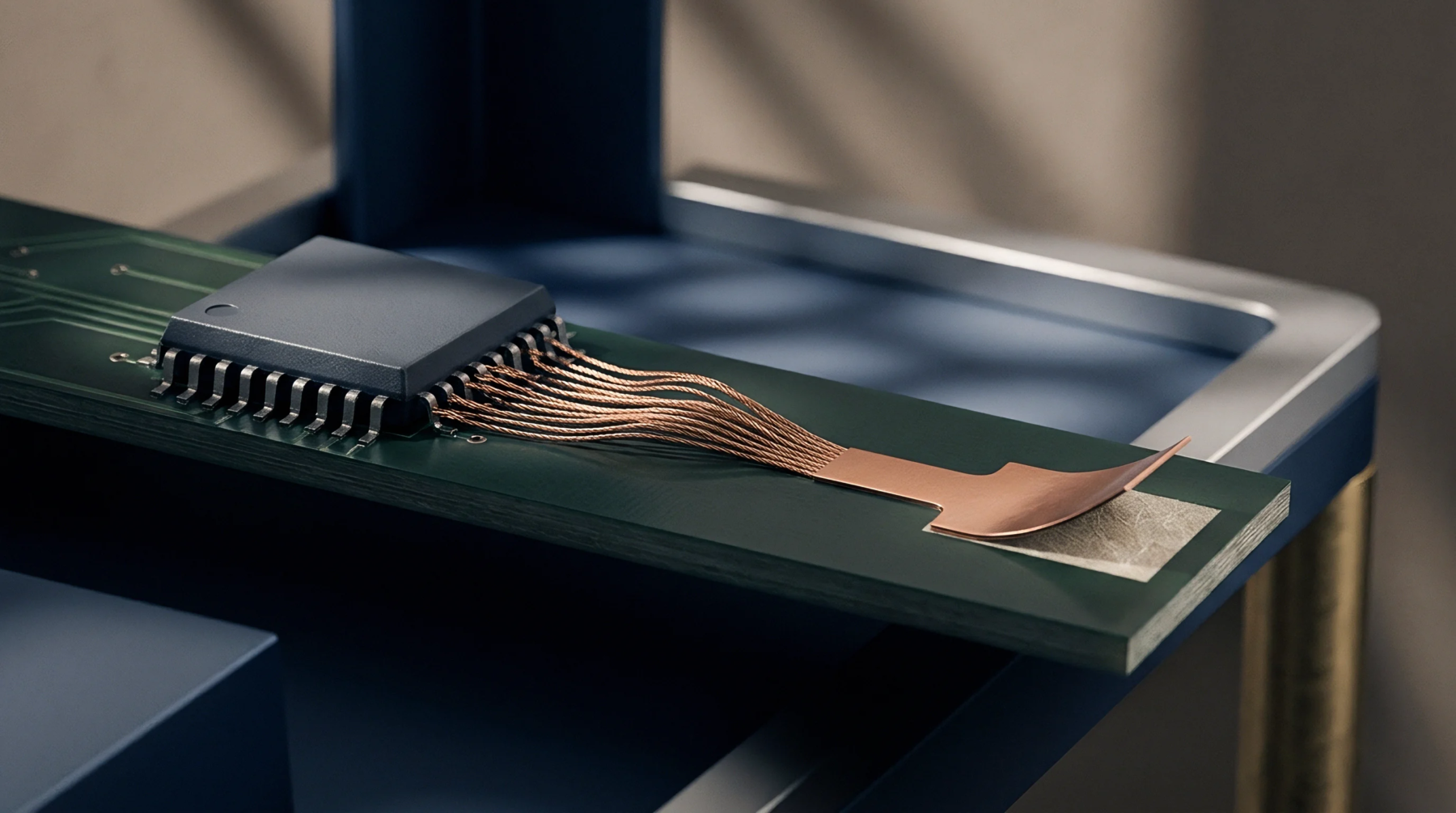
Electroless nickel immersion gold plating functions as a final finish for printed circuit boards by providing a solderable surface and oxidation protection for copper conductors. The enig plating process relies on an autocatalytic nickel deposition followed by an immersion gold displacement reaction. This combination protects exposed copper pads from environmental degradation while providing a flat contact area for wire bonding or component mounting.
A thin layer of gold prevents nickel oxidation until assembly, at which point the gold dissolves into the molten solder to reveal the underlying nickel layer. Nickel acts as a barrier to copper diffusion, effectively stopping the copper from migrating into the solder joint during thermal exposure. Fabrication shops control the thickness of the nickel and gold layers to maintain bond integrity and prevent brittle intermetallic compound formation.
Process Control
Concentration levels of the chemical bath determine the quality of the finish on the conductive traces. Operators monitor the pH and metal ion content of the solution to prevent hyper-corrosion of the nickel layer during the immersion gold step. Excessive gold thickness creates a thick intermetallic layer that weakens the mechanical attachment of the component to the pad.
Low bath temperatures cause uneven deposition rates, while high temperatures lead to nickel grain structure instability. Technicians verify the thickness using X-ray fluorescence equipment to ensure compliance with specifications defined for specific pad geometries. Bath chemistry necessitates frequent replenishment to balance the consumption of gold ions against the buildup of byproducts.
Acceptance Criteria
Inspection of the finished board surface requires visual verification under magnification for signs of black pad syndrome or nickel phosphorous pitting. These defects compromise the electrical connection between the component lead and the circuit board. Surface oxidation or contamination during the storage of boards affects the wetting characteristics of the solder paste during subsequent assembly cycles.
Contamination prevents the formation of a reliable joint regardless of the equipment settings used for reflow. Surface roughness measurements confirm that the deposit provides sufficient mechanical grip for surface mount adhesives. The integrity of this finish depends entirely on the stability of the plating bath throughout the entire production run.