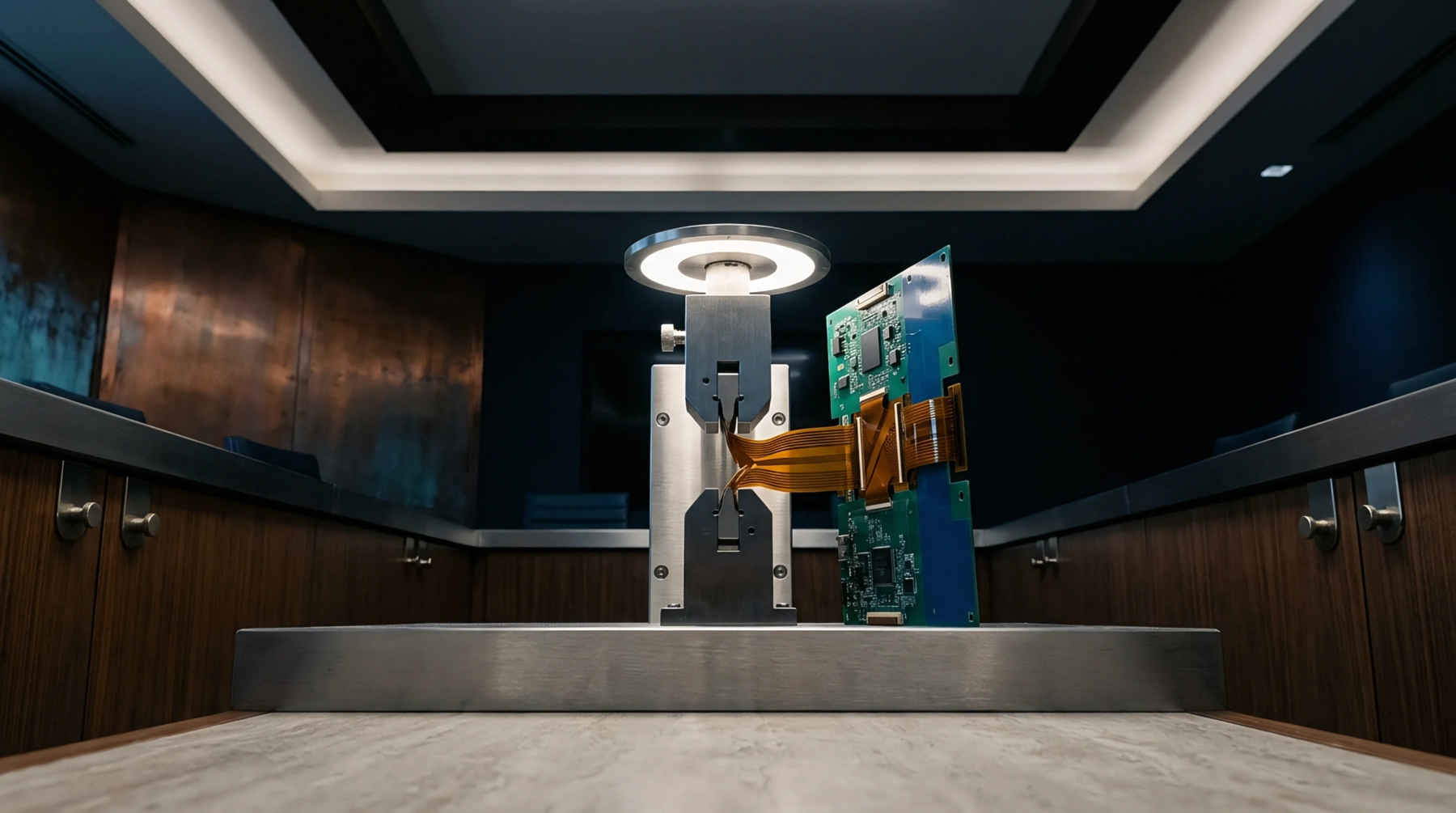
Durability Depletion
Reliability assessments that track the portion of a solder joint’s total design lifetime used during thermal or mechanical stress events determine the remaining service viability of electronic assemblies. Every thermal cycle or vibration event contributes to fatigue life consumption by accumulating microstructural damage in the solder matrix. Engineers measure this depletion as a fraction of the total cycles to failure under specified test conditions.
Once the accumulated damage reaches unity, crack initiation and electrical failure become imminent. Solder joints exposed to persistent thermal shifts exhibit a predictable progression toward mechanical separation.
Deformation Progression
Accumulation of plastic strain under cyclic stress drives the steady progression of solder joint wear. In lead-free solders, this process is characterized by grain coarsening and subsequent microvoid formation. As voids grow and coalesce, they reduce the effective load-bearing area of the joint, which increases the stress on the remaining metal.
Operational Limit
Operational calculations based on cumulative damage theories allow manufacturing teams to set safe operating limits for assemblies deployed in harsh environments. By knowing the rate of fatigue consumption under typical conditions, maintenance intervals can be scheduled before field failures occur. This preventive strategy ensures the long-term reliability of critical systems.