Mechanical Containment
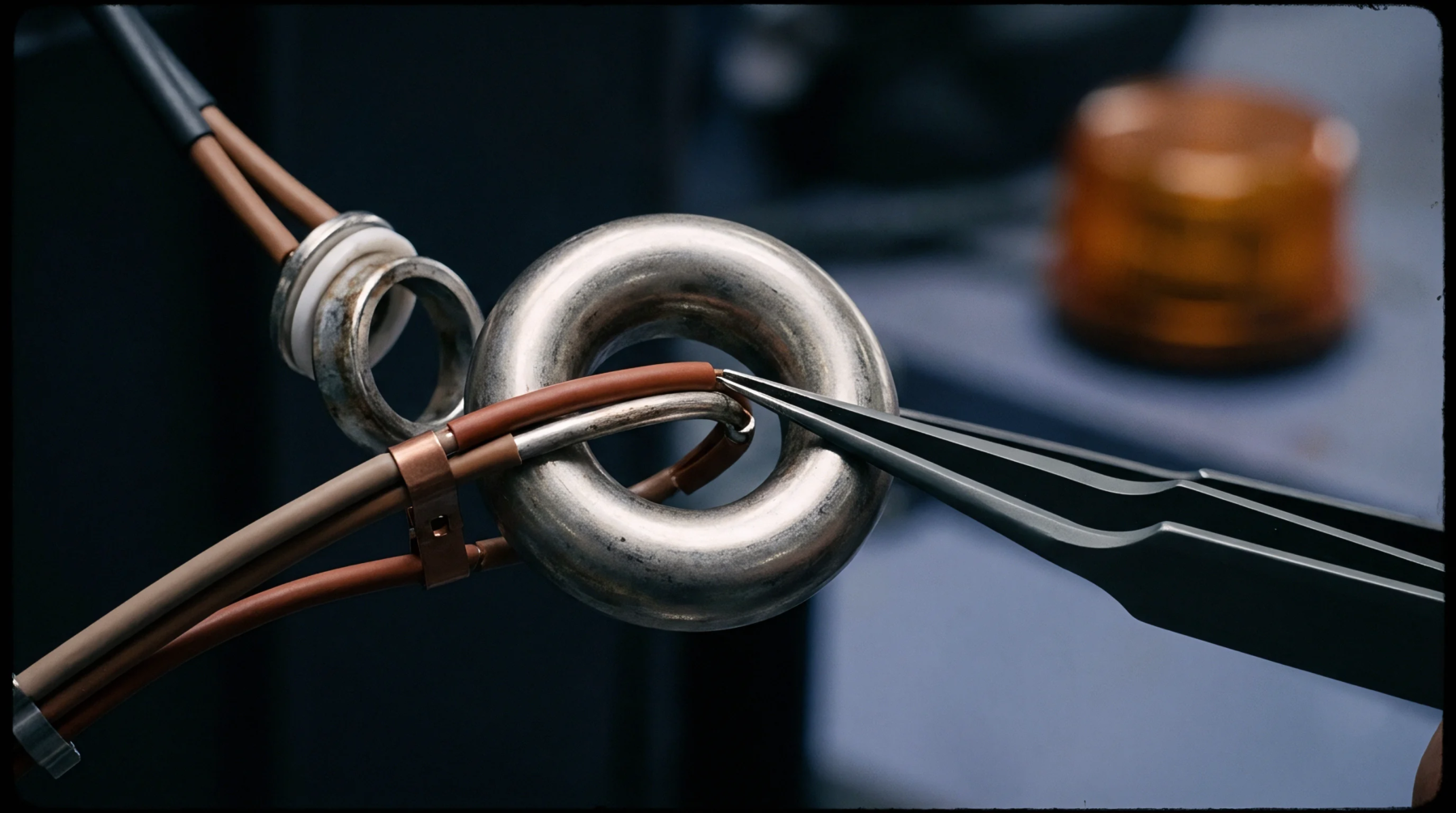
Steel components provide the downward force required to hold a circuit board securely against a vacuum seal or a bed of nails test interface. This fixture retainer plate prevents vertical movement or vibration of the target assembly during high speed automated testing cycles. Accurate alignment between the test probes and the copper pads depends upon the firm seating provided by this hardware.
Failure to maintain constant pressure results in intermittent signals and false test failures.
Mounting Geometry
Slots and holes machined into the perimeter accept fasteners that connect the unit to the primary fixture frame. Holes are positioned to avoid contact with components mounted on the reverse side of the board. The thickness of the plate determines the stiffness of the clamping action across the surface of the circuit card.
Precise tolerances in these mounting features reduce mechanical stress on the solder joints during the engagement phase.
Operational Wear
Frequent cycling causes the contact points to develop indentations that eventually degrade the effectiveness of the clamping action over extended production runs. Inspecting these contact surfaces for deformation helps prevent damage to the boards being processed. Replacing these components at fixed usage intervals ensures the consistency of electrical connectivity.
The durability of the material determines the frequency of necessary replacement cycles for the entire assembly.