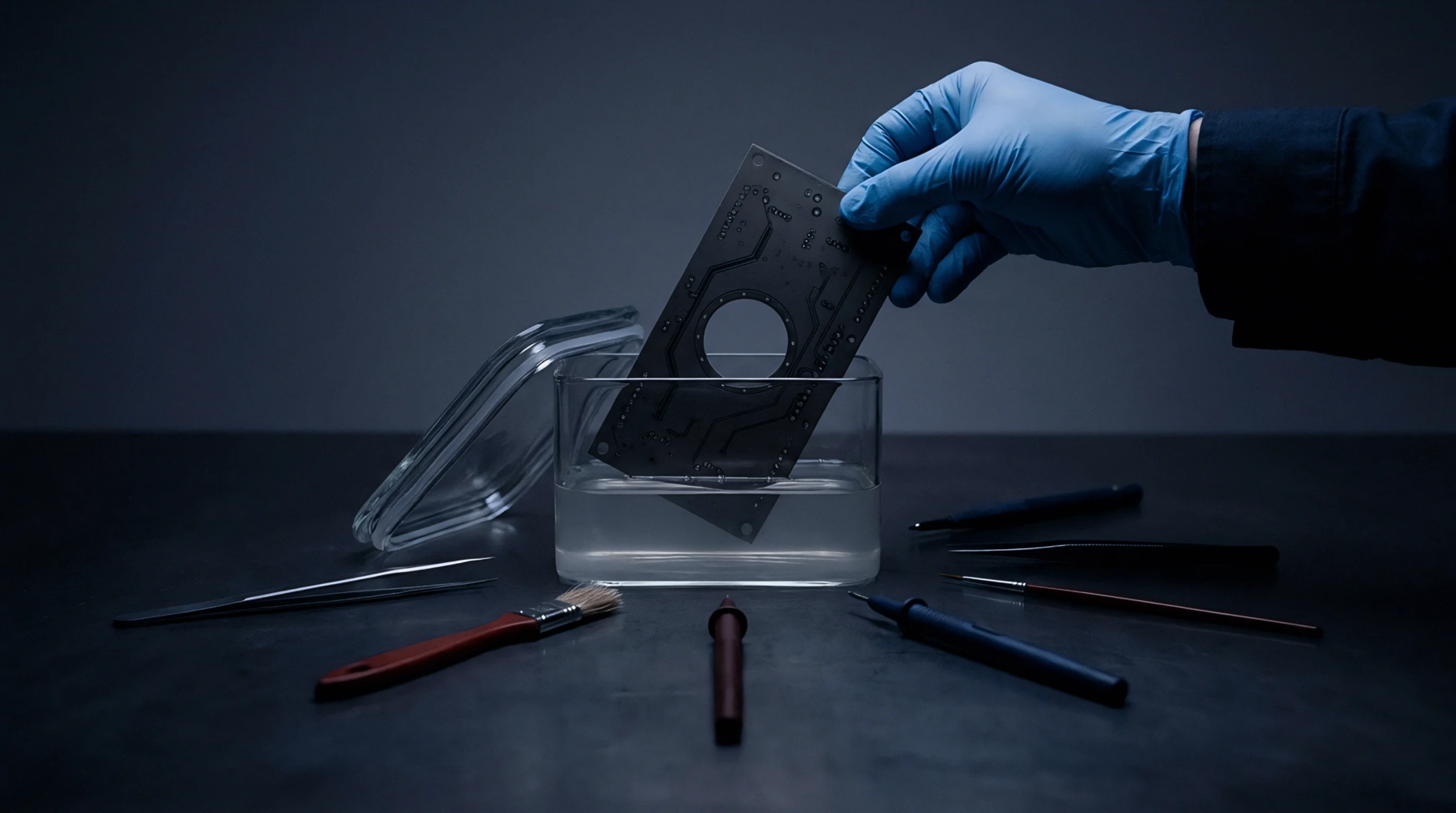
Alignment Support
Mechanical alignment component ensures the precise registration between a circuit board and a test or assembly fixture. Hardened steel guide plates are used to direct the movement of pins and probes as they approach the target pads on the board. These plates prevent the thin probes from bending or wandering under load.
The holes in the plates are drilled with high precision to match the coordinates of the test points on the substrate.
Tooling Interface
Connection stability describes the relationship between the guide plates and the carrier frame. The plate is secured with dowel pins to maintain its position relative to the base of the fixture. If the plate shifts even slightly, the probes will miss the test pads and cause false failures.
Regular inspection of the mounting hardware ensures that the assembly remains stable over long production runs.
Process Repeatability
Accuracy maintenance depends on the wear resistance of the alignment holes within the guide plates. Over thousands of cycles, the friction from the moving pins can enlarge the holes and reduce the accuracy of the fixture. Many manufacturers use bushings or ceramic inserts to extend the life of the tool in high-volume environments.
Maintaining these components is a requirement for ensuring the long-term reliability of automated test equipment.