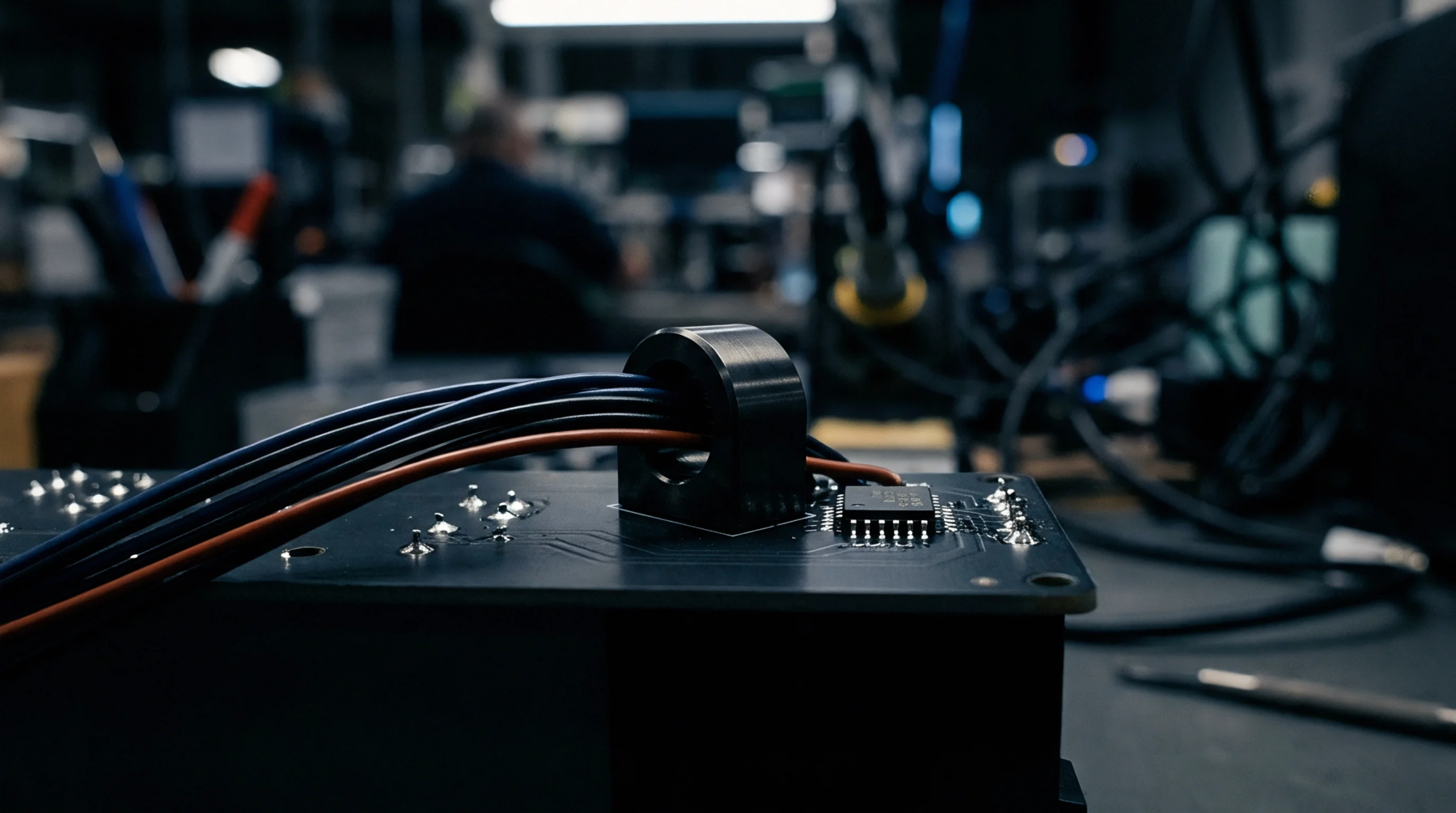
Workmanship Standard
Requirements for soldered electrical and electronic assemblies are defined internationally by a dedicated industry specification. The ipc-j-std-001h standard establishes materials, methods and verification criteria for producing high-reliability soldered interconnections across land, marine and aerospace applications. Revisions in this document update cleanliness testing protocols, lead-free soldering acceptance criteria and thermal profile limits.
Manufacturing facilities implement these criteria to govern operator training, process qualification and visual inspection protocols. Compliance ensures predictable mechanical and electrical performance across diverse operating environments.
Process Control
Statistical process controls outlined within the specification govern flux chemistry, solder alloy purity and soldering iron tip temperatures. Wetting balance testing and ionic cleanliness measurements quantify residue levels following automated flux application and reflow. The standard mandates specific process control limits for surface insulation resistance testing to prevent electrochemical migration under electrical bias.
Machine operators calibrate reflow ovens and selective soldering machines against verified thermal profiles to avoid thermal shock to sensitive components. Automated optical inspection equipment verifies solder fillet geometry against detailed visual diagrams embedded in the text. Quality assurance inspectors evaluate wetting angles, heel fillets and voiding percentages in surface mount and through-hole solder joints.
Solder Criterion
Acceptable solder joint formation requires positive wetting angles and visible fillet height ratios based on target component lead types. Micro-voiding inside bottom-terminated component solder joints must remain below defined percentage thresholds to pass visual or X-ray inspection.