Reliability Assessment
Laboratory procedures for evaluating the coefficient of thermal expansion of printed board materials ensure consistent performance across different suppliers. IPC-TM-650 Method 2.4.41 describes the use of thermo-mechanical analysis to measure the dimensional changes of a specimen as temperature increases. This data allows engineers to predict how a board will behave during the reflow process.
Thermal Stress
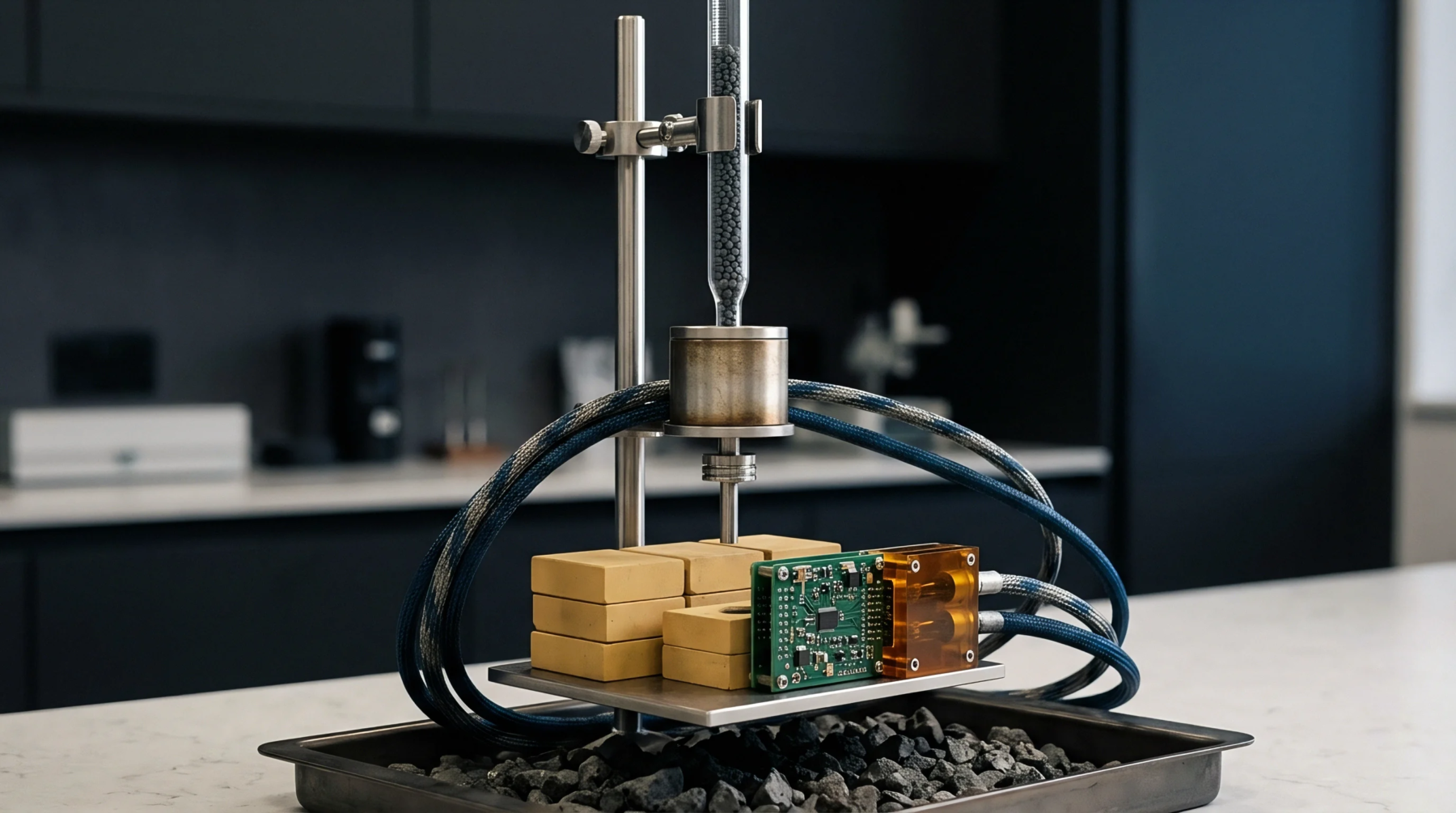
Testing involves placing a prepared sample into a controlled chamber where a probe monitors its vertical displacement. Under IPC-TM-650 Method 2.4.41, the equipment heats the material past its glass transition temperature to observe the rate of expansion in the Z-axis. Excessive movement during this phase indicates a high risk of via cracking or pad lifting.
The rate of heating and the pressure of the probe are strictly defined to ensure results are comparable between different laboratories.
Acceptance Limit
Calculated expansion rates provide a metric for comparing the stability of various resin systems. Results from IPC-TM-650 Method 2.4.41 determine whether a material is suitable for high-reliability applications where multiple heat cycles are expected. A material with a low expansion coefficient reduces the strain on internal copper structures.
This test is a fundamental requirement for the qualification of new laminates in aerospace and automotive electronics.