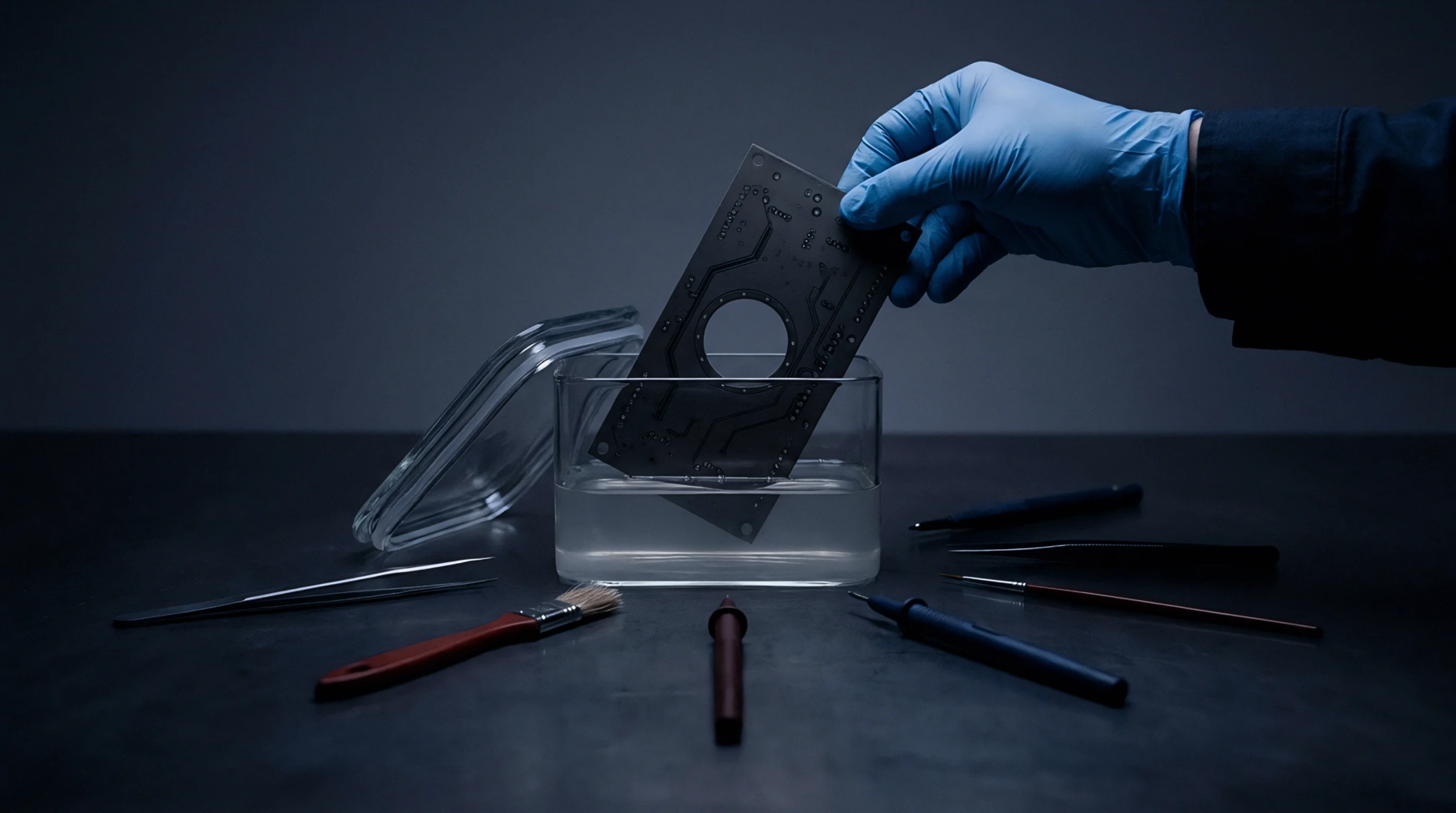
Oxide Formation
Extended atmospheric contact transforms bare metal into a distinct chemical layer before assembly begins. Lead free solder exposure governs the duration and condition of this pre-reflow holding period inside printed circuit board manufacturing facilities. Ambient humidity accelerates copper surface degradation on exposed pads while parts wait for placement machinery.
Manufacturers manage relative moisture levels within dry cabinets to delay intermetallic compound thickening. Extended exposure to workshop air promotes problematic oxides that prevent proper wetting during subsequent thermal processing.
Wetting Dynamics
Molten alloy relies entirely on pristine metallic contact surfaces to spread correctly across terminal pads. Lead free solder exposure diminishes this crucial wetting ability by forming stubborn surface barriers that resist liquid metal flow. Operators monitor board cleanliness through optical inspection systems before components enter the reflow oven.
Insufficient flux activation during soldering fails to clear heavily oxidized pads, resulting in dewetting defects and weak joint formation. Temperature profiles inside convection ovens must compensate for altered surface chemistry to ensure reliable intermetallic bond creation across every board.
Structural Integrity
Final mechanical strength depends directly on pristine boundary layers established before thermal processing. Lead free solder exposure introduces microscopic voids and brittle zones that compromise long-term joint reliability under operational stress. Thermal cycling tests expose these hidden assembly flaws by accelerating fatigue failure in compromised interconnections.
Quality engineers track pre-reflow storage times alongside failure analysis data from finished units to prevent structural degradation in critical electronics. Minimizing atmospheric contact during fabrication protects the final assembly against premature field failure.