Thermal Exemption
Regulatory permission permits the inclusion of restricted heavy metal compounds inside specific electrical components during high temperature sealing operations. This lead in glass frit exemption specifically applies to dielectric pastes and sealing glasses utilized in microelectronic packaging where alternative formulations fail to achieve the required hermetic bond. Manufacturers rely on this legal provision during substrate fabrication when creating ceramic integrated circuits and plasma displays.
Environmental compliance officers monitor usage boundaries because the allowance terminates immediately if non-exempt applications share the same production line.
Bonding Mechanism
Molten vitreous matrices flow across ceramic interfaces during furnace firing cycles to establish permanent mechanical anchorage. Capillary action draws the liquid mixture into microscopic crevices on the substrate surface during heating stages. Viscosity control prevents excessive spreading across adjacent signal traces during high temperature processing.
Cooling phases solidify the mixture into a rigid vitreous layer that protects internal semiconductor dice from moisture ingress.
Verification Protocol
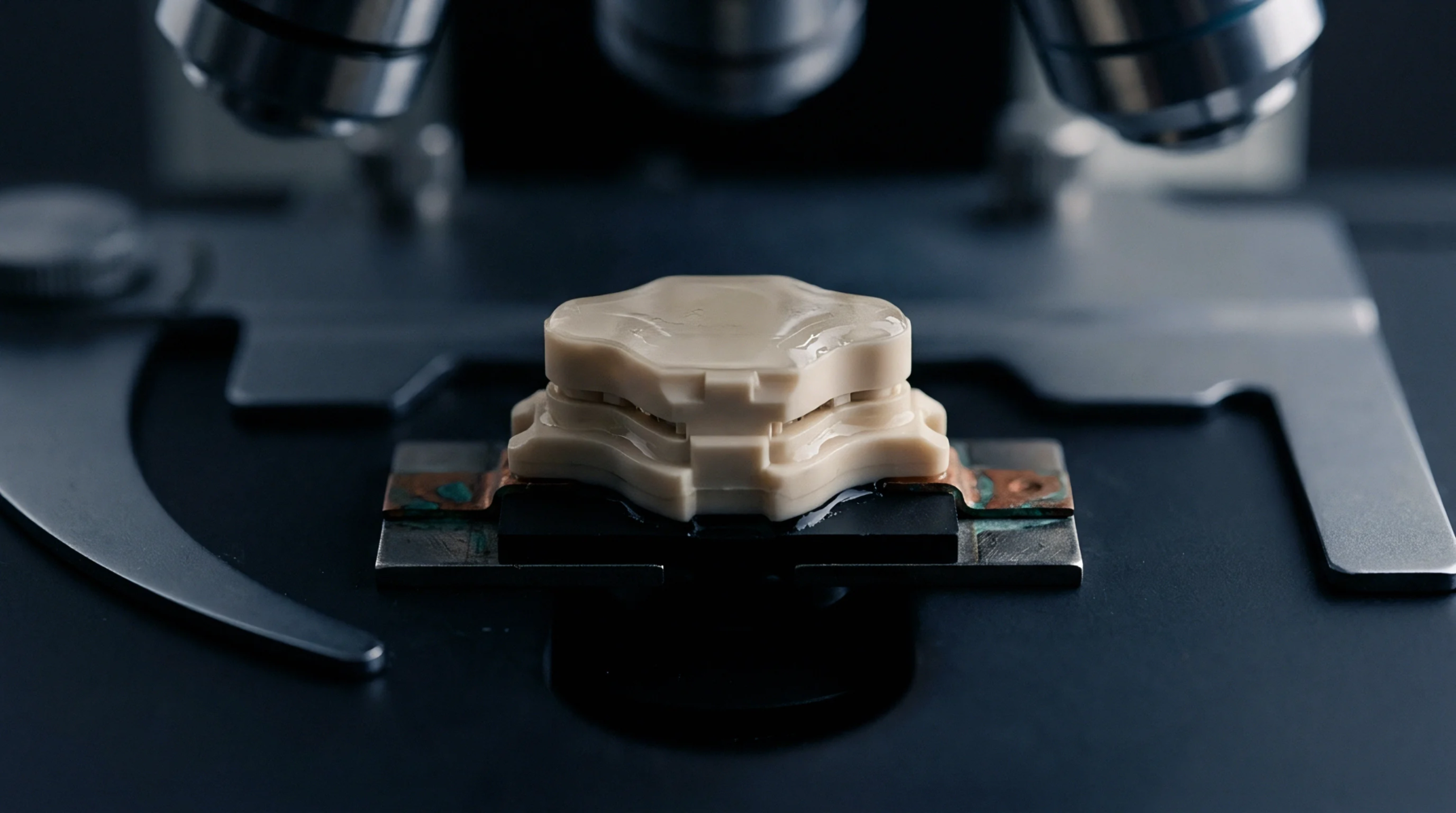
Quality control technicians deploy X-ray fluorescence spectrometry to measure heavy metal concentrations within the finished seal. Destructive cross sectioning allows optical microscopy evaluation of internal void percentages within the bonded matrix. Electrical leakage testing confirms dielectric strength across the sealed cavity prior to final module encapsulation.
Surface cleanliness inspection verifies that no overspray contaminates surrounding component lands after the firing stage concludes.