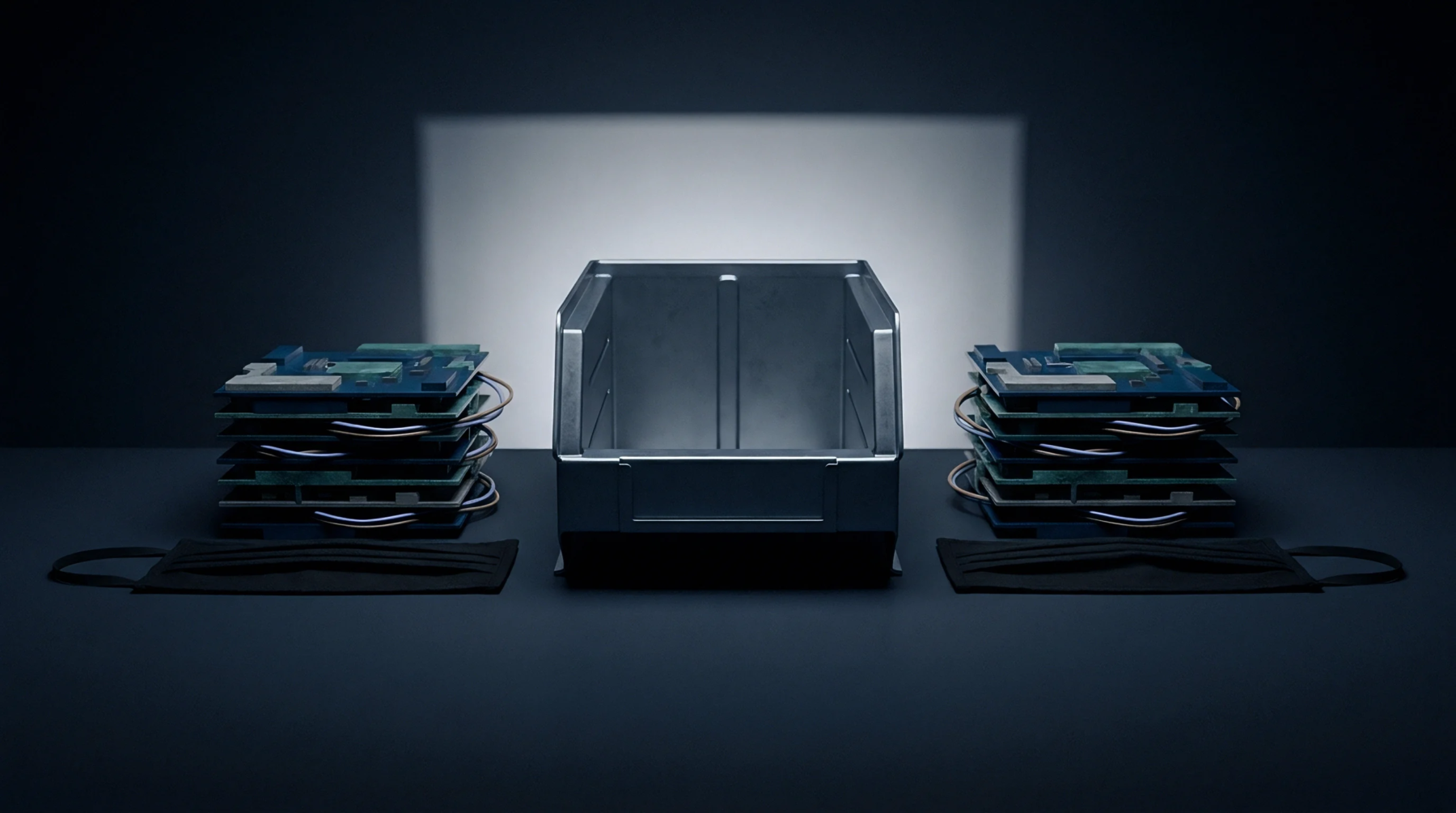
Selection Mechanism
Separation of ions according to their mass-to-charge ratio allows spectrometers to identify specific chemical elements and molecules present on a surface. This separation process, known as mass filtration, is essential for high-performance surface analysis techniques like secondary ion mass spectrometry. By isolating sputtered ions of a designated mass, the detector can compile a precise chemical profile of the material.
This capability enables the diagnosis of contamination and process residues on printed circuit boards.
Substrate Separation
Quadrupole mass analyzers and magnetic sectors use electrical or magnetic fields to divert unwanted ions while allowing the target ions to reach the detector. In this phase of mass filtration, ions are accelerated and subjected to forces that depend on their specific charge and mass. Ions with incorrect trajectories collide with the filter rods or plates and are neutralized, which ensures they are not counted in the mass spectrum.
This sorting mechanism allows for the detection of trace metal contaminants or organic residues on the circuit board surface with parts-per-million sensitivity.
Solder Contamination
Identification of halogenated flux residues or metallic impurities relies on this high-resolution separation. The technique prevents incorrect element identification during quality audits of copper traces and pad finishes.